In an era defined by rapid environmental shifts and a heightened collective consciousness, the choices we make, even about what we wear, carry unprecedented weight. The fashion industry, a global behemoth, has long been under scrutiny for its substantial environmental footprint and often questionable social practices. But as we step into 2026, a new paradigm is not just emerging—it's solidifying. This comprehensive guide from biMoola.net will equip you with the insights and actionable strategies to build an eco-conscious wardrobe, proving that style, ethics, and sustainability can beautifully coexist. You'll learn how to navigate the evolving landscape of sustainable fashion, from mastering the art of thrift shopping and embracing clothing swaps to identifying truly ethical brands and curating a minimalist yet impactful capsule wardrobe.
The Urgent Call for Sustainable Fashion: Why 2026 Demands Action
The urgency for a sustainable overhaul in fashion isn't theoretical; it's a stark reality backed by escalating data. The traditional linear 'take-make-dispose' model has pushed planetary boundaries to their limits. According to a 2025 United Nations Environment Programme (UNEP) report, the fashion industry accounts for an estimated 8-10% of global carbon emissions—more than all international flights and maritime shipping combined. This figure is projected to rise significantly if current consumption patterns persist, potentially reaching 15% by 2030.
Water usage is another critical concern. Growing conventional cotton, for instance, is notoriously water-intensive, often requiring thousands of liters to produce a single kilogram of fabric. A 2024 study published in 'Nature Sustainability' highlighted that textile production consumes approximately 93 billion cubic meters of water annually, equivalent to 20 large cities' annual water supply. Furthermore, microplastic pollution from synthetic textiles, released during washing, is a growing ecological menace, with estimates suggesting that over 700,000 microscopic fibers could be released in a single laundry load.
Then there's waste. The Ellen MacArthur Foundation's 2025 'Circular Fashion Progress Report' revealed that a staggering 87% of all textile waste ends up in landfills or is incinerated globally. This means that textiles worth over $500 billion are lost annually due to underutilization and a lack of effective recycling. The fast fashion cycle, characterized by rapid trend turnover and cheap, disposable garments, exacerbates these issues, encouraging frequent purchases and premature disposal. By 2026, awareness of these impacts has reached a critical mass, with consumers increasingly demanding transparency and accountability from brands. This collective awakening forms the bedrock of the sustainable fashion movement, making personal choices more impactful than ever.
Beyond Fast Fashion: Embracing the Circular Economy in Your Closet
Moving beyond the destructive cycle of fast fashion necessitates an embrace of the 'circular economy' model—a regenerative system designed to keep products and materials in use for as long as possible, extracting maximum value from them while in use, then recovering and regenerating products and materials at the end of their service life. In your personal wardrobe, this translates to a conscious shift from buying new, wearing briefly, and discarding, to a philosophy centered on reducing consumption, reusing items, repairing what's broken, renting for specific needs, and recycling when truly necessary.
This approach isn't about deprivation; it's about thoughtful consumption. Instead of succumbing to fleeting trends, you invest in quality pieces that stand the test of time, both aesthetically and structurally. The growth of the resale market is a clear indicator of this shift: a 2025 analysis by ThredUp and GlobalData projected that the global secondhand market would reach $350 billion by 2027, significantly outpacing the growth of traditional retail. This robust secondary market offers ample opportunities to both find high-quality pre-loved items and responsibly rehome garments you no longer need.
Embracing circularity in your closet means asking critical questions before every purchase: 'Do I truly need this?', 'Can I find a similar item secondhand?', 'Is this garment made to last?', 'How will I care for it?', and 'What is its end-of-life plan?' This mindset encourages a deeper connection with your clothes, transforming them from disposable commodities into valued assets. It empowers you to be an active participant in reducing textile waste, conserving resources, and minimizing the environmental footprint of your personal style.
The Power of Pre-Loved: Mastering Thrift Shopping in a Digital Age
Thrift shopping, once a niche activity, has been revolutionized in the digital age, becoming a mainstream pillar of sustainable fashion. The allure of 'pre-loved' items extends beyond environmental benefits; it offers economic savings, the thrill of discovering unique pieces, and the satisfaction of contributing to a circular economy. In 2026, the landscape of secondhand retail is vibrant and diverse, encompassing traditional brick-and-mortar stores alongside sophisticated online platforms.
For in-person thrifting, local charity shops, consignment stores, and vintage boutiques remain invaluable. The key is patience, an eye for quality fabrics (natural fibers like wool, silk, linen, cotton often hold up better), and an openness to unexpected finds. Always check for damage, fabric composition, and potential alterations. Don't shy away from pieces that need minor repairs; a simple stitch or button replacement can bring a garment back to life.
The digital sphere has democratized access to secondhand fashion. Platforms like Depop, Vinted, Poshmark, and Vestiaire Collective allow users to buy and sell pre-loved clothing directly. For luxury items, The RealReal and Fashionphile offer authenticated designer pieces, mitigating concerns about counterfeits. When navigating these online marketplaces, look for detailed product descriptions, multiple high-quality photos, and seller ratings. Utilize filters for brand, size, material, and condition to streamline your search. A 2024 survey by Statista indicated that 45% of Gen Z and Millennial consumers purchased secondhand fashion online at least once in the past year, highlighting the growing preference for digital thrifting.
The financial savings are significant. A 2025 analysis by Fashion Revolution estimated that buying secondhand could save consumers an average of 60-70% compared to new retail prices, while extending the life of a garment by just nine months can reduce its carbon, water, and waste footprint by around 20-30%. Mastering the art of pre-loved shopping isn't just a trend; it's a financially savvy and environmentally responsible lifestyle choice.
Community & Collaboration: The Rise of Clothing Swaps and Rentals
Beyond individual purchasing choices, collective action through clothing swaps and rental services is rapidly gaining traction as a cornerstone of sustainable wardrobes in 2026. These collaborative models offer compelling alternatives to traditional ownership, promoting variety, reducing waste, and fostering community engagement.
Clothing swaps involve exchanging garments you no longer wear for 'new-to-you' items from others. These can range from informal gatherings with friends to organized community events. The benefits are multifold: you refresh your wardrobe for free, reduce textile waste, and connect with like-minded individuals. To organize a successful swap, establish clear rules (e.g., minimum quality standards, number of items per person), provide changing areas, and consider donating any leftover items to charity. A 2024 report by Textile Exchange noted a 30% increase in participation in community clothing swap events over the past three years, signaling a strong upward trend.
Clothing rental services, meanwhile, offer a flexible and sustainable way to access high-value or occasional-wear garments without the commitment of ownership. Companies like Rent the Runway, Nuuly, and various local initiatives provide subscriptions or one-off rentals for everything from everyday wear to formal dresses and designer accessories. This model is particularly appealing for special events, seasonal items, or for those who desire wardrobe variety without the environmental impact of constant new purchases. The global online clothing rental market was valued at an estimated $1.8 billion in 2025 and is projected to grow at a compound annual growth rate (CAGR) of 9.2% through 2030, according to Grand View Research. This growth underscores the increasing consumer comfort with renting as a viable, sustainable, and cost-effective alternative to buying. By participating in swaps and rentals, you're actively contributing to a shared economy that prioritizes resource efficiency and extends the life of garments.
Investing Wisely: Identifying Truly Sustainable Brands and Materials
Navigating the complex landscape of sustainable fashion brands requires diligence and an understanding of what constitutes genuine sustainability. In 2026, 'greenwashing' remains a significant challenge, where brands make unsubstantiated or misleading claims about their environmental practices. To invest wisely, look beyond superficial marketing and delve into a brand's core values, supply chain transparency, and material choices.
**What Makes a Brand Sustainable?**
- Transparency: Truly sustainable brands are open about their supply chain, from raw material sourcing to manufacturing processes and labor conditions. They often publish annual impact reports.
- Ethical Labor Practices: Fair wages, safe working conditions, and no child labor are non-negotiable. Look for certifications like Fair Trade or SA8000.
- Material Choices: Prioritize brands using environmentally friendly and ethically sourced materials.
- Circular Design: Brands committed to sustainability often design for durability, repairability, and recyclability. They may offer take-back programs.
- Certifications: Reputable third-party certifications provide verification.
Sustainable Materials to Prioritize:
- Organic Cotton: Grown without synthetic pesticides or fertilizers, consuming less water than conventional cotton. Look for GOTS (Global Organic Textile Standard) certification.
- Hemp & Linen: These natural fibers require minimal water and pesticides, are durable, and biodegrade naturally.
- Tencel™/Lyocell: A regenerative cellulose fiber made from wood pulp in a closed-loop process, meaning chemicals are reused, minimizing waste and pollution.
- Recycled Materials: Recycled polyester (rPET) made from plastic bottles, recycled cotton, or recycled nylon reduce reliance on virgin resources and divert waste from landfills.
- Innovative Materials: Materials like Piñatex (pineapple leaf fiber), Mylo (mushroom leather), or fabrics made from seaweed or food waste are gaining traction.
Certifications to Look For:
- GOTS (Global Organic Textile Standard): Ensures organic status of textiles from harvesting of raw materials, through environmentally and socially responsible manufacturing.
- Oeko-Tex Standard 100: Guarantees products are free from harmful substances.
- Fair Trade Certified: Ensures fair wages and safe working conditions for farmers and factory workers.
- B Corp Certification: Indicates a company meets high standards of verified social and environmental performance, public transparency, and legal accountability.
By scrutinizing these factors, you can make informed choices that genuinely support brands dedicated to a more equitable and ecological fashion future. A 2025 NielsenIQ report found that 73% of consumers worldwide are willing to change their consumption habits to reduce their environmental impact, underscoring the market's readiness for truly sustainable options.
The Art of the Capsule Wardrobe: Minimalism for Maximum Impact
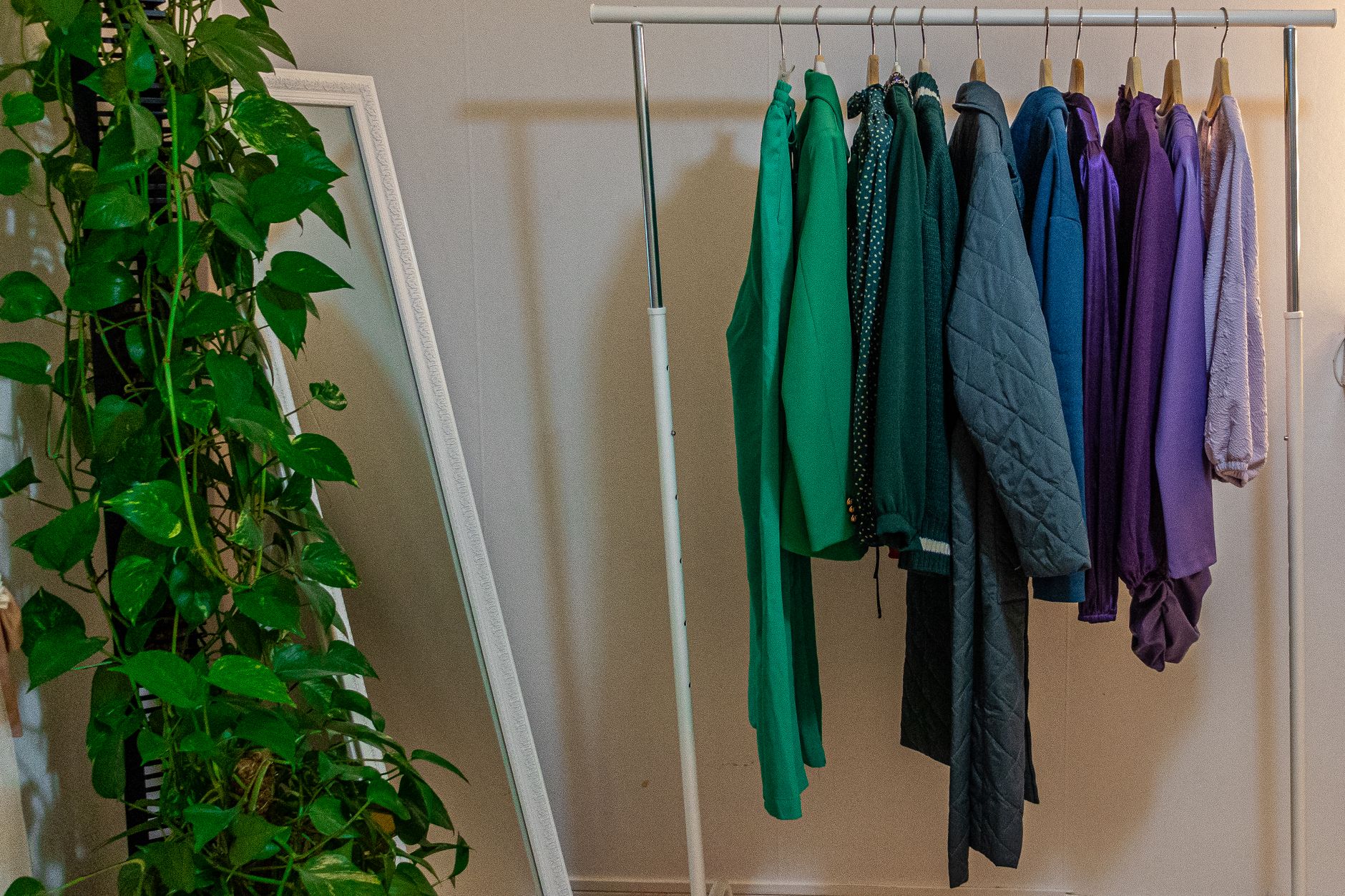
The concept of a capsule wardrobe, popularised by Susie Faux in the 1970s and revived by minimalist movements, is more relevant than ever in 2026 as a powerful tool for sustainable living. A capsule wardrobe is a collection of a few essential items of clothing that can be mixed and matched to create numerous outfits, typically for a specific season or period. It champions quality over quantity, versatility, and conscious consumption, reducing both environmental impact and decision fatigue.
Conventional vs. Sustainable T-Shirt Production (Estimated Averages)
| Metric | Conventional Cotton T-Shirt | Organic Cotton T-Shirt | Recycled Cotton/Poly Blend T-Shirt |
|---|---|---|---|
| Water Footprint (liters) | 2,700 - 3,000 | ~1,000 - 1,500 (30-50% less) | ~100 - 200 (90%+ less) |
| CO2 Emissions (kg CO2e) | 3.5 - 7 | ~2.5 - 5 (20-30% less) | ~1 - 2 (50-70% less) |
| Pesticide Use | High (approx. 16% of world's insecticides) | None or negligible | None (from virgin materials) |
| Chemical Dyes | Common, often hazardous | GOTS-certified dyes (safer) | Recycled content may use fewer new dyes |
| Waste Generation | High (textile scraps, packaging) | Lower (organic farming byproducts) | Significantly lower (diverts existing waste) |
Source: Compiled from various reports by Water Footprint Network, Textile Exchange, WRAP, and GOTS (2023-2025 estimates).
The benefits of adopting a capsule wardrobe are extensive:
- Reduced Consumption: You buy fewer items, lessening demand on resources and reducing waste.
- Environmental Impact: Less demand translates to fewer emissions, less water use, and less pollution associated with production.
- Cost Savings: While initial investment in quality pieces might be higher, you save money in the long run by buying less frequently.
- Time Savings: Less time spent shopping and deciding what to wear daily.
- Clarity & Confidence: A cohesive wardrobe means you always have something suitable, well-fitting, and true to your personal style.
How to Build Your Capsule Wardrobe:
- Define Your Lifestyle & Needs: Consider your work, hobbies, social life, and climate. How many 'types' of outfits do you truly need?
- Identify Your Core Style: What colors, silhouettes, and fabrics do you feel best in? Stick to a cohesive color palette that allows for easy mixing and matching.
- Declutter Ruthlessly: Remove anything that doesn't fit, isn't comfortable, or doesn't make you feel good. Donate, sell, or swap these items responsibly.
- Invest in Quality Basics: Think well-fitting t-shirts, versatile trousers/skirts, durable denim, and classic outerwear in neutral tones. These form the backbone of your wardrobe.
- Add Statement Pieces Thoughtfully: A few unique accessories, a bold jacket, or a patterned top can elevate and individualize your capsule without overwhelming it.
- Plan for Seasons: Create seasonal capsules, rotating items in and out of storage as needed.
According to a 2024 study by WRAP (Waste and Resources Action Programme), the average person in the UK wears only 70% of the clothes in their closet, with 10% never being worn at all. A capsule wardrobe actively combats this underutilization, ensuring every piece you own serves a purpose and is loved.
Beyond the Hanger: Care, Repair, and End-of-Life Solutions
The journey to a sustainable wardrobe doesn't end when you bring a garment home; it extends through its entire lifespan, encompassing conscious care, diligent repair, and responsible end-of-life solutions. Extending the active life of clothing is one of the most impactful actions an individual can take to reduce fashion's environmental footprint.
Conscious Care: Proper garment care significantly prolongs an item's life and reduces its environmental impact during use. According to the European Environment Agency's 2025 textile report, washing and drying account for approximately 25-30% of a garment's total carbon footprint over its lifetime. Simple changes can make a big difference:
- Wash Less: Only wash clothes when they are genuinely dirty. Airing out garments can often suffice.
- Cold Water Washing: Use cold water whenever possible; it saves energy and is gentler on fabrics, preventing fading and shrinkage.
- Air Dry: Skip the dryer. Tumble dryers are energy hogs. Air drying saves energy and extends the life of your clothes by preventing wear and tear from heat.
- Use Eco-Friendly Detergents: Opt for biodegradable, phosphate-free detergents to minimize water pollution.
- Microplastic Filters: For synthetic garments, consider using laundry bags like a Guppyfriend or installing a washing machine filter to capture microplastic fibers.
Diligent Repair: In an era of disposability, embracing repair is an act of rebellion and sustainability. Mending a torn seam, replacing a lost button, or fixing a zipper can revive a beloved item and prevent it from becoming waste. Resources like online tutorials, local mending workshops, and professional tailors make repair accessible. The 'Visible Mending' movement, which celebrates and highlights repairs as part of a garment's story, is gaining popularity, transforming flaws into features. A 2024 Patagonia initiative showed that extending the life of a garment by even two years can reduce its overall environmental impact by 50%.
Responsible End-of-Life Solutions: When a garment has truly reached the end of its wearable life, responsible disposal is crucial. Avoid simply throwing it in the trash. Explore:
- Donation: If still in good condition, donate to local charities or shelters.
- Textile Recycling: Many municipalities and brands (e.g., H&M, Levi's, Nike) offer textile take-back programs, even for unwearable items, which are then sorted for recycling into new fibers or industrial rags.
- Upcycling/Downcycling: Old t-shirts can become cleaning cloths, denim can be repurposed into bags, or sweaters can become pet beds.
By integrating these practices into your routine, you transcend passive consumption, becoming an active steward of your wardrobe and a powerful agent of change in the sustainable fashion movement.
Key Takeaways
- **Prioritize Longevity & Quality:** Shift investment from numerous disposable items to fewer, durable, and well-made pieces that stand the test of time and trends.
- **Embrace Circularity:** Actively participate in the secondhand economy through thrifting (online and in-store) and utilizing clothing swaps and rental services to minimize new purchases.
- **Demand Transparency:** Support brands that offer full visibility into their supply chains, ethical labor practices, and commitment to sustainable materials. Look for certifications.
- **Curate Consciously:** Adopt a capsule wardrobe approach to streamline your style, reduce consumption, and ensure every item in your closet is loved and utilized.
- **Extend Garment Life:** Practice mindful care (cold washes, air drying) and embrace repair. When an item is truly beyond use, seek out textile recycling programs.
Expert Analysis: biMoola.net's Take
As we navigate 2026, the sustainable fashion movement is transitioning from a niche concern to a mainstream imperative. What's particularly striking is the accelerated pace of innovation and consumer expectation. We're seeing a dual transformation: brands are increasingly pressured to adopt genuine eco-friendly practices and supply chain transparency, while consumers are becoming more sophisticated in discerning authentic sustainability from mere greenwashing. The digital infrastructure, from hyper-efficient online resale platforms to AI-powered material tracking, is an undeniable accelerant, making sustainable choices more accessible and appealing than ever before.
Our editorial team at biMoola.net believes that the power now firmly rests with the informed consumer. While systemic changes from industry and policy are crucial, individual choices create the demand signals that drive these shifts. The notion of a 'perfectly' sustainable wardrobe remains an elusive ideal, but the pursuit of 'better' is entirely achievable for everyone. It’s about incremental changes—a single thrifted item, a conscious repair, a choice for organic cotton—that collectively build momentum.
Looking ahead, we anticipate continued advancements in biomaterials, greater integration of blockchain for supply chain traceability, and a further blurring of lines between fashion, tech, and environmental science. The challenge lies in ensuring these innovations are equitable and accessible, not just for a privileged few. Our call to action for 2026 is clear: be an active participant. Your wardrobe can be a powerful statement of your values, contributing not just to personal style, but to planetary well-being. It’s no longer about simply wearing clothes; it's about wearing your commitment to a sustainable future.
Frequently Asked Questions
Q: Is sustainable fashion always more expensive than fast fashion?
A: Not necessarily. While the upfront cost of a high-quality, ethically produced garment can be higher, sustainable fashion often proves more cost-effective in the long run due to its durability and timeless design, reducing the need for frequent replacements. Moreover, embracing secondhand shopping, clothing swaps, and rentals offers highly affordable and even free sustainable alternatives.
Q: How can I tell if a brand is genuinely sustainable and not greenwashing?
A: Look for comprehensive transparency regarding their supply chain, material sourcing, and labor practices (e.g., annual impact reports, supplier lists). Verify third-party certifications like GOTS, Fair Trade, or B Corp. Be wary of vague claims without data, use of buzzwords without substance, or focusing solely on one 'green' aspect while ignoring others.
Q: What are the easiest first steps to start building a more sustainable wardrobe today?
A: Begin by assessing what you already own and identify items you truly love and wear. Your first steps can include: buying your next item secondhand, mending a garment instead of replacing it, washing clothes less frequently and in cold water, or researching one sustainable brand to make your next purposeful purchase from.
Q: Can my individual choices really make a difference against such a large global industry?
A: Absolutely. While individual actions alone won't solve the entire problem, collective individual choices create significant market demand and send powerful signals to brands and policymakers. Every decision to buy secondhand, repair, or support a sustainable brand contributes to a larger movement, driving industry-wide change and fostering a more circular economy.
Sources & Further Reading
- Ellen MacArthur Foundation — Circular Fashion Progress Report 2025
- ThredUp & GlobalData — Resale Report 2025: Analyzing the Secondhand Market's Growth
- United Nations Environment Programme (UNEP) — Fashion's Environmental Footprint 2025 Review
- Nature Sustainability — Water Consumption in Global Textile Production: A 2024 Analysis
- Fashion Revolution — White Paper 2025: The True Cost of Fashion
- WRAP (Waste and Resources Action Programme) — Valuing Our Clothes: The Cost of UK Fashion 2024
Disclaimer: For informational purposes only. Always consult a qualified healthcare professional.
Comments (0)
To comment, please login or register.
No comments yet. Be the first to comment!