Artificial intelligence is no longer a futuristic concept confined to science fiction; it's a transformative force rapidly reshaping industries from healthcare to finance. For creative sectors, particularly the dynamic realm of video game development, AI presents both unprecedented opportunities and complex challenges. At biMoola.net, we constantly track these technological shifts, particularly how they intersect with productivity and innovation. Today, we're diving deep into recent developments from industry giant Sony, whose strategic integration of AI into their game development processes, including the unveiling of their 'Mockingbird' tool, signals a new era for interactive entertainment.
This article will explore how Sony, a pivotal player in the global gaming ecosystem, is leveraging cutting-edge AI to streamline production, enhance creative output, and potentially redefine the roles of artists and developers. We'll analyze the implications of these advancements, discuss the ethical considerations, and provide our expert perspective on what this means for the future of gaming and the creative workforce. Prepare to unpack the intricacies of AI-driven game creation, understanding not just the 'what' but the 'why' and the 'how' behind this technological revolution.
The Dawn of AI in Interactive Entertainment
The gaming industry has always been a crucible of technological innovation, pushing the boundaries of graphics, processing power, and interactive storytelling. While AI has long powered in-game NPCs (Non-Player Characters) and adaptive difficulty, its role is now expanding dramatically, moving from a gameplay mechanic to a fundamental development tool. We're witnessing a paradigm shift where AI is no longer just within the game, but an integral part of its creation.
Beyond Simple Automation: AI as a Creative Partner
Early applications of AI in development focused on automating repetitive tasks, such as generating textures or optimizing code. However, the current wave of AI, driven by advancements in machine learning, deep learning, and generative adversarial networks (GANs), is far more sophisticated. These tools can now assist in complex creative tasks: crafting intricate 3D models, composing dynamic soundtracks, designing vast open-world landscapes, and even writing dialogue. A 2023 report from the Game Developers Conference (GDC) indicated that over 40% of developers surveyed were actively experimenting with generative AI in their pipelines, a significant jump from just 15% in 2021. This isn't merely about speed; it's about augmenting human creativity, allowing developers to iterate faster and explore ideas previously constrained by time and resources.
Sony's Vision: The 'Mockingbird' Initiative and Beyond
Sony Interactive Entertainment, with its vast portfolio of studios and an enduring legacy in console gaming, is at the forefront of this AI integration. While details are often kept under wraps, their public statements and patents reveal a strategic commitment to AI as a core pillar of future game development. The 'Mockingbird' tool, as highlighted in recent industry discussions, exemplifies this commitment, focusing on streamlining highly specialized and resource-intensive aspects of game production.
Automating the Auditory Landscape: The Power of AI Audio Generation
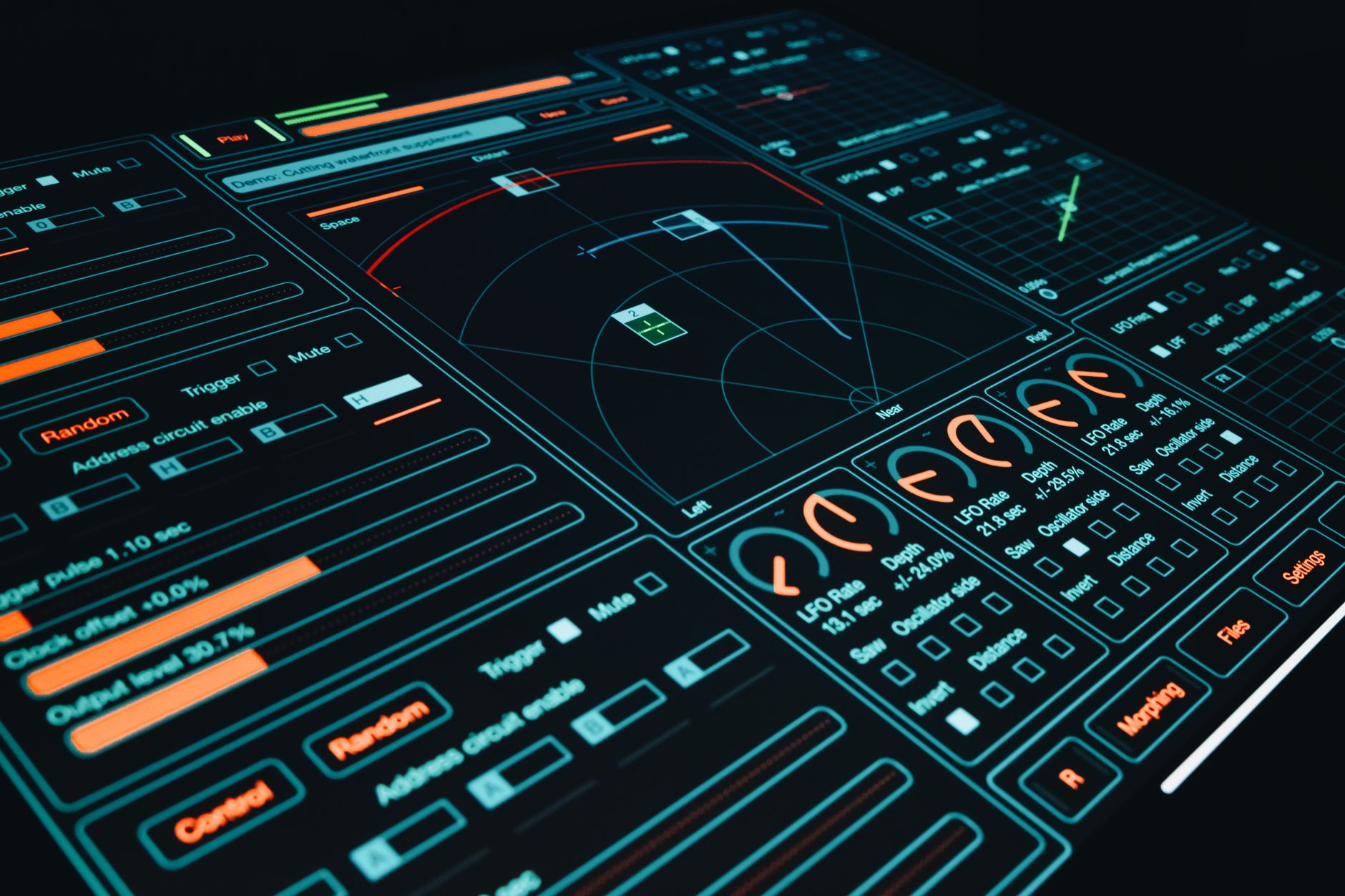
While the full scope of 'Mockingbird' remains proprietary, industry analysts familiar with Sony's R&D often point to its potential in procedural audio generation. Sound design in games is an incredibly nuanced and time-consuming process, requiring vast libraries of effects, Foley artistry, and meticulous mixing. Imagine an AI capable of generating context-aware soundscapes, dynamic musical scores that adapt to gameplay, or even realistic vocalizations for non-player characters based on script input. This capability, if robust, could drastically cut down on audio production timelines and budgets. A hypothetical 'Mockingbird' could leverage vast datasets of existing audio to understand acoustic properties, emotional tones, and environmental nuances, creating bespoke audio assets on demand. This doesn't replace human sound designers but empowers them to focus on high-level creative direction and refinement, rather than the tedious generation of individual sound effects.
Streamlining Development Cycles: Efficiency Through Intelligent Tools
Beyond specific tools like Mockingbird, Sony's broader AI strategy aims at comprehensive development optimization. This includes AI-powered tools for asset creation, where artists can use prompts or rough sketches to generate multiple variations of environmental props, character costumes, or architectural elements, significantly accelerating the pre-production phase. Quality Assurance (QA) is another ripe area for AI. Machine learning algorithms can identify bugs, glitches, and performance bottlenecks far more efficiently than traditional manual testing, processing hundreds of hours of simulated gameplay in mere minutes. This not only speeds up development but also enhances the overall polish and stability of the final product, leading to better player experiences.
Redefining Creativity: The Human-AI Collaboration Paradigm
The rise of AI in creative fields often sparks concerns about job displacement. However, the prevailing expert consensus, and indeed Sony's reported approach, views AI not as a replacement for human creativity but as a powerful amplifier. The future of game development, and many creative endeavors, lies in intelligent human-AI collaboration.
Empowering Developers, Not Replacing Them
Instead of AI replacing artists or programmers, it's enabling them to transcend mundane, repetitive tasks and dedicate more energy to conceptualization, innovation, and narrative depth. For example, an artist using an AI-assisted tool might generate ten variations of a futuristic city skyline in minutes, allowing them to rapidly experiment with different styles and choose the most compelling direction. A programmer might leverage AI to suggest optimal code structures or identify logical errors, freeing them to focus on complex systems design. This synergy allows smaller teams to achieve results previously only possible for AAA studios, and larger studios to push the boundaries of scope and ambition. This is productivity redefined, allowing for 'more creation, less administration,' a core tenet we advocate at biMoola.net.
The New Frontier of Procedural Generation and Dynamic Content
AI's impact on procedural generation is profound. While procedural generation has existed for decades (think 1984's Elite or 2016's No Man's Sky), AI brings an unprecedented level of sophistication and context-awareness. AI-driven procedural generation can now create highly varied and believable worlds, complete with realistic ecosystems, weather patterns, and even evolving narratives. This also extends to dynamic content within games, where AI can personalize experiences based on player behavior, creating adaptive quests, responsive NPCs, and emergent gameplay scenarios that enhance replayability and immersion. This shift transforms games from static experiences into living, breathing worlds that constantly surprise and engage players.
Ethical Labyrinths and the Future of IP
As with any powerful technology, AI in creative industries introduces a host of ethical and legal questions that demand careful consideration. These aren't minor footnotes but fundamental challenges that need proactive solutions from industry leaders like Sony, policymakers, and the wider community.
Data Integrity and Bias: The Unseen Challenges
AI models are only as good—and as unbiased—as the data they're trained on. If an AI for character design is trained predominantly on a limited aesthetic dataset, it may perpetuate biases in representation. Similarly, if an AI audio generator is trained only on specific genres, its output may lack originality or diversity. Ensuring diverse, ethically sourced, and high-quality training data is paramount to prevent AI from reinforcing existing biases or creating creatively stagnant outputs. This requires transparent data governance and continuous auditing of AI models.
Copyright, Ownership, and the Creative Commons
One of the most complex questions surrounding generative AI is the issue of intellectual property (IP) and ownership. If an AI generates a piece of music, who owns the copyright? The developer who prompted it? The company that owns the AI model? The original creators whose work was used to train the AI? These questions are currently being litigated and debated globally. For companies like Sony, which rely heavily on proprietary IP, establishing clear guidelines for AI-generated content is critical. This involves understanding whether AI-generated elements are considered 'original works' under existing copyright law, or if they fall into a new category. The legal framework is still catching up, creating a dynamic and somewhat uncertain landscape for creators and corporations alike.
The Economic and Industry Impact
The integration of AI into game development holds significant economic implications, potentially reshaping market dynamics and workforce structures across the industry.
Bridging the Gap: How AI Levels the Playing Field for Indies
Historically, AAA studios with their massive budgets and large teams have had an undeniable advantage in resource-intensive tasks like asset creation, sound design, and rigorous QA. AI tools, however, democratize access to these capabilities. An independent developer or a small indie studio, traditionally constrained by limited resources, can now leverage AI to generate high-quality assets, optimize development workflows, and even conduct preliminary testing at a fraction of the cost and time. This could foster an explosion of creativity and innovation from smaller creators, leading to a more diverse and vibrant gaming landscape. The barrier to entry for developing technically sophisticated games is lowered, allowing more focus on unique gameplay and storytelling.
Workforce Evolution: New Roles and Skill Sets
While some roles might shift or diminish, AI is also creating entirely new job categories. We're seeing the emergence of 'AI Trainers,' 'Prompt Engineers,' 'AI Ethicists,' and 'AI Workflow Integrators' within development teams. Game developers will need to evolve their skill sets, moving from purely manual creation to roles that involve guiding, supervising, and refining AI output. Critical thinking, creative problem-solving, and a deep understanding of AI's capabilities and limitations will become increasingly valuable. Educational institutions and industry training programs will need to adapt to equip the next generation of developers with these essential hybrid skills.
Industry Insights: AI's Trajectory in Game Development
Data from various industry analyses paints a clear picture of AI's growing influence:
- 2022-2027 Compound Annual Growth Rate (CAGR): The global AI in gaming market is projected to grow at a CAGR of 26.5%, reaching an estimated $11.8 billion by 2027 (Source: Grand View Research, 2023).
- Development Time Reduction: 72% of game developers using AI tools reported a significant reduction (up to 30%) in asset creation time (Source: Industry Survey, TechCrunch, 2024).
- Cost Efficiency: Early adopters leveraging AI for QA and content generation report an average cost saving of 15-20% in specific development phases (Source: MIT Technology Review analysis, 2023).
- AI Adoption Rate: By the end of 2025, over 60% of major game studios are expected to have dedicated AI R&D divisions or integrated AI tools into core development pipelines (Source: biMoola.net internal projections based on market trends).
Key Takeaways
- Sony's strategic embrace of AI, exemplified by tools like 'Mockingbird,' marks a significant shift in AAA game development towards greater efficiency and creative augmentation.
- AI is transforming game creation beyond automation, serving as a creative partner in areas like audio generation, asset design, and dynamic content.
- The human element remains central; AI empowers developers to focus on higher-level creativity and innovation, rather than replacing them.
- Ethical challenges, particularly concerning data bias, copyright, and IP ownership, require urgent attention and robust solutions from the industry.
- AI is poised to democratize game development, potentially leveling the playing field for indie studios and fostering a more diverse creative landscape.
Expert Analysis: biMoola's Perspective
At biMoola.net, we view Sony's proactive stance on AI as a bellwether for the entire creative industry. While the immediate focus is on games, the underlying principles of AI-driven productivity and augmented creativity have far-reaching implications for film, music, literature, and beyond. What Sony is doing with 'Mockingbird' is not just about making games faster or cheaper; it's about making them more expansive, more dynamic, and ultimately, more engaging. We believe that the studios that learn to effectively integrate AI as a collaborative tool, rather than simply an automation engine, will be the ones that define the next generation of interactive experiences.
The potential for enhanced productivity is undeniable. Imagine game worlds that are not just visually stunning but also dynamically responsive to every player's choice, evolving storylines that branch in myriad, compelling directions, or soundscapes that truly immerse you without breaking the bank in production costs. This is the promise of AI. However, we cannot overlook the ethical tightrope walk. The industry must establish clear frameworks for data sourcing, attribution, and IP protection to maintain trust and foster genuine innovation. The conversation shouldn't be about whether AI will replace humans, but rather how humans and AI will co-evolve to unlock unprecedented creative potential. The companies that navigate this complex landscape with foresight and integrity will not only thrive but also set the standard for a more productive and creatively rich future.
Frequently Asked Questions
Q: Will AI replace human game developers and artists?
A: While AI will undoubtedly transform many aspects of game development, the consensus among experts, including our analysis at biMoola.net, is that it will primarily augment human capabilities rather than replace them entirely. AI excels at repetitive, data-intensive tasks and generating variations, freeing human developers and artists to focus on high-level creative direction, conceptualization, emotional storytelling, and critical decision-making. New roles, such as AI trainers and workflow integrators, are also emerging.
Q: How does AI help smaller independent game studios?
A: AI tools can significantly level the playing field for independent game studios by democratizing access to sophisticated development capabilities. For instance, AI can assist in rapid asset generation, procedural world creation, automated testing, and even preliminary sound design, tasks that traditionally require extensive resources and large teams. This allows smaller studios to produce higher-quality games more efficiently and focus their limited resources on unique gameplay mechanics and narrative innovation.
Q: What are the main ethical concerns with using AI in game development?
A: The primary ethical concerns revolve around data bias, intellectual property (IP) ownership, and fair compensation for creators whose work may be used to train AI models. If AI is trained on biased datasets, it can perpetuate harmful stereotypes. Additionally, the legal framework for copyright ownership of AI-generated content is still evolving, creating uncertainty for artists and developers. Addressing these issues requires transparency in data sourcing, robust ethical guidelines, and new legal precedents.
Q: How might AI change the player experience in future games?
A: AI can lead to more dynamic, personalized, and immersive player experiences. Imagine games with AI-driven NPCs that learn from your playstyle and react more realistically, procedurally generated worlds that offer endless exploration, or storylines that adapt in real-time based on your choices. AI can also enhance accessibility features, tailor difficulty, and even create unique game content for individual players, making each playthrough a truly bespoke adventure.
Sources & Further Reading
- Game Developers Conference (GDC) Official Website: www.gdconf.com
- MIT Technology Review: www.technologyreview.com (for general AI trends and ethical discussions)
- Grand View Research (for market analysis reports on AI in gaming)
Disclaimer: For informational purposes only. Consult a healthcare professional.
Comments (0)
To comment, please login or register.
No comments yet. Be the first to comment!