Sustainable Living

Smart Water Saving: 15 Home Habits for a Greener 2026 & Beyond

Smart Water Saving: 15 Home Habits for a Greener 2026 & Beyond

In an era increasingly defined by climate consciousness and resource scarcity, the seemingly simple act of turning on a tap carries profound implications. As we navigate towards 2026 and beyond, water conservation isn't just an eco-friendly suggestion; it's a critical imperative for global sustainability and individual resilience. Our planet, often called the 'Blue Planet,' paradoxically faces escalating freshwater challenges due to factors like population growth, shifting weather patterns, and increased industrial demand. While large-scale governmental and industrial changes are crucial, the cumulative impact of individual actions within our homes holds immense power.

Think about it: every drop saved contributes to a larger reservoir of sustainability, helping to protect ecosystems, reduce energy consumption (as treating and transporting water requires significant energy), and even lower your household utility bills. This isn't about drastic lifestyle overhauls or expensive renovations; it's about embedding mindful habits into your daily routine. By making small, consistent choices, you can transform your home into a bastion of water efficiency, setting a powerful example for your family and community.

This article will guide you through 15 easy, actionable habits you can adopt right now, categorized by area of your home. These aren't just tips for today; they are sustainable practices designed to future-proof your water usage, making a significant difference to your environmental footprint and your wallet in 2026 and for many years to come. Let's dive in and discover how a little mindfulness can lead to a lot of positive change.

The Urgency of Water Conservation in 2026 and Beyond

Why is water conservation becoming more critical with each passing year? The answer lies in a confluence of environmental, demographic, and economic pressures. Climate change, for instance, is not just about rising temperatures; it's fundamentally altering global precipitation patterns, leading to more frequent and severe droughts in some regions, and unpredictable flooding in others. This directly impacts freshwater availability, making our existing water sources less reliable.

Simultaneously, the global population continues to grow, placing increased demand on finite resources. More people mean more agricultural production, more industrial processes, and more domestic water use. Urbanization further concentrates these demands, straining local infrastructure and water supplies.

For individuals and households, the financial implications are also becoming more apparent. Water treatment and distribution are costly, and as water becomes scarcer, its price is likely to rise. Conserving water isn't just about environmental stewardship; it's also about prudent financial management. Moreover, the energy required to heat, treat, and pump water contributes to carbon emissions. By reducing your water consumption, you indirectly reduce your energy footprint, contributing to broader climate action goals. Embracing water-wise practices now prepares us for a future where every resource is valued and managed sustainably.

Kitchen and Culinary Water Wisdom

The kitchen is often a hidden hotspot for water waste. From preparing meals to cleaning up, countless opportunities exist to inadvertently let water run unnecessarily. With a few simple adjustments, you can significantly reduce your kitchen's water footprint.

1. Scrape, Don't Rinse (Pre-Washing Dishes)

  • The Habit: Instead of rinsing food scraps off plates under a running tap before loading them into the dishwasher, use a spatula or a paper towel to scrape them directly into the compost or trash bin.
  • Why it Matters: A running faucet can use several gallons of water per minute. Pre-rinsing can consume more water than an efficient dishwasher cycle itself.
  • Practical Tip: Keep a designated 'scraping tool' by the sink for easy access. If food is stuck, a quick soak in a small basin of water can loosen it more efficiently than a continuous rinse.

2. Full Dishwasher Loads

  • The Habit: Only run your dishwasher when it's completely full.
  • Why it Matters: Modern dishwashers are engineered for efficiency, using a set amount of water and energy per cycle, regardless of how many dishes are inside. Running it half-empty wastes nearly the same amount of water and energy as a full load.
  • Practical Tip: Consider waiting until the end of the day or after a major meal to run the dishwasher. For smaller households, a few days' worth of dishes might be needed to achieve a full load.

3. Thaw Smart, Not Under Running Water

  • The Habit: Plan ahead and thaw frozen foods in the refrigerator overnight or in the microwave using the defrost setting.
  • Why it Matters: Thawing food under a running tap is a major water waster, using gallons of clean water just to warm up a frozen item.
  • Practical Tip: If you're in a pinch, place the frozen item in a sealed bag and submerge it in a bowl of cold water. Change the water every 30 minutes if needed.

4. Cook with Precision and Purpose (Measure Water, Reuse Pasta Water)

  • The Habit: Measure water precisely for cooking, avoiding overfilling pots. Also, consider reusing nutrient-rich water.
  • Why it Matters: Excess water often boils away or is poured down the drain, taking with it potential nutrients and precious resources.
  • Practical Tip: Use a measuring cup for rice, pasta, and vegetable cooking. The starchy water left over from boiling pasta can be cooled and used to water plants (it's full of nutrients!) or as a base for soups and gravies.

Bathroom Brilliance: Saving Water Where it Counts

The bathroom is arguably the most water-intensive room in the house. Showers, toilets, and faucets account for the largest portion of indoor water use. Small changes here can lead to substantial savings.

5. Shorter Showers & Low-Flow Showerheads

  • The Habit: Aim to reduce your shower time and consider installing a WaterSense-labeled low-flow showerhead.
  • Why it Matters: A standard showerhead can use 2.5 gallons per minute (GPM) or more. Even shaving a minute or two off your shower can save hundreds of gallons annually. Low-flow showerheads use 2.0 GPM or less without compromising pressure.
  • Practical Tip: Use a timer or play a specific song to gauge your shower length. For low-flow showerheads, look for models certified by WaterSense for optimal efficiency.

6. Turn Off the Tap (Brushing, Shaving)

  • The Habit: Turn off the faucet while brushing your teeth, shaving, or soaping your hands.
  • Why it Matters: A running tap can waste gallons of water in minutes. Most people keep the water running out of habit rather than necessity.
  • Practical Tip: Get into the routine of turning the tap off immediately after wetting your brush or hands, and only turning it back on when ready to rinse.

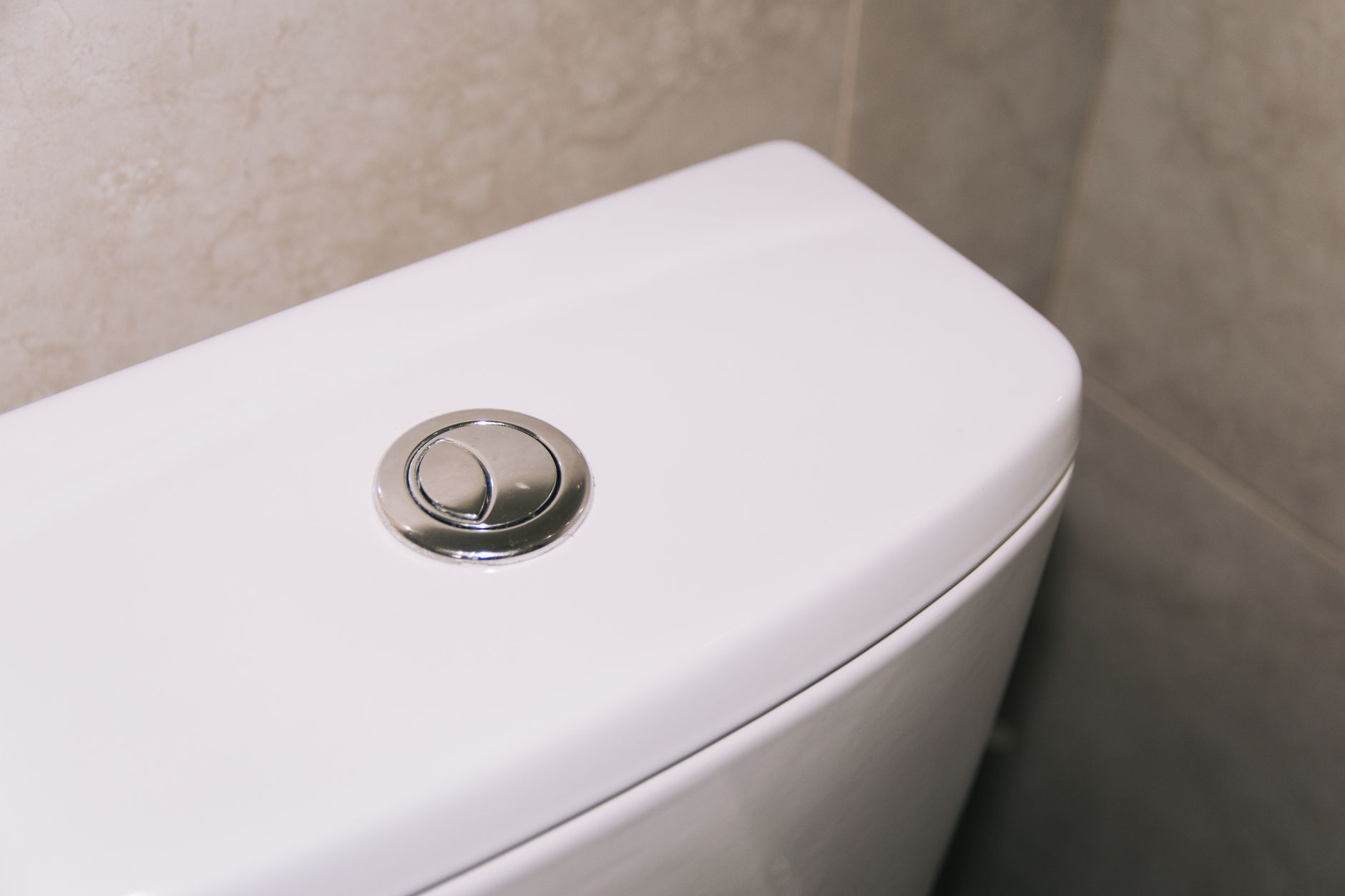
7. Efficient Toilets (Dual-Flush, Check for Leaks)

  • The Habit: If possible, upgrade to a dual-flush or low-flow toilet. Regularly check for and fix toilet leaks.
  • Why it Matters: Toilets are often the biggest indoor water users. Older models can use 3.5 to 7 gallons per flush, while modern efficient ones use 1.6 gallons or less. A silent toilet leak can waste hundreds of gallons a day.
  • Practical Tip: To check for leaks, add a few drops of food coloring to your toilet tank. Wait 15-20 minutes without flushing. If the color appears in the bowl, you have a leak.

8. Mindful Bathing (If You Must, Make It Count)

  • The Habit: If you prefer baths, draw only as much water as you need, and consider using it sparingly.
  • Why it Matters: A full bath typically uses more water than a short, efficient shower.
  • Practical Tip: If taking a bath, fill the tub only to the necessary level. For small children, consider sharing bathwater or using less water in the tub.

Laundry Room Logistics for Less Water

The laundry room is another significant water consumer, especially with frequent washing cycles. Optimizing your laundry habits can lead to substantial savings.

9. Full Loads Only

  • The Habit: Just like with dishwashers, only run your washing machine when it's full.
  • Why it Matters: Most washing machines use a similar amount of water for a full or partial load. Maximize each cycle's efficiency by ensuring it's packed to capacity.
  • Practical Tip: Group laundry throughout the week to ensure you have full loads. If you absolutely must wash a smaller load, ensure your machine has a 'small load' or 'eco' setting that adjusts water levels.

10. Choose Efficient Cycles (Eco-Modes, Cold Water)

  • The Habit: Utilize your washing machine's 'eco,' 'speed wash,' or 'cold water' settings whenever appropriate.
  • Why it Matters: Eco-modes are designed to use less water and energy. Washing in cold water not only saves the energy needed to heat water but also often uses less water in total.
  • Practical Tip: Most modern detergents are highly effective in cold water. Only use hot water for heavily soiled items or specific sanitizing needs.

11. Check for Leaks (Washing Machine Hoses)

  • The Habit: Regularly inspect your washing machine hoses and connections for drips or leaks.
  • Why it Matters: A small drip from a hose connection can waste a surprising amount of water over time, not to mention cause potential water damage to your home.
  • Practical Tip: Periodically check the area behind and under your washing machine for signs of moisture or rust. Replace worn or cracked hoses promptly.

Outdoor Oasis: Smart Landscape & Exterior Water Use

Outdoor watering can account for a substantial portion of household water use, especially in warmer climates. Rethinking your garden and exterior maintenance can yield massive water savings.

12. Smart Landscaping (Drought-Tolerant Plants, Mulch)

  • The Habit: Opt for native and drought-tolerant plants (xeriscaping) in your garden, and generously apply mulch.
  • Why it Matters: Native plants are adapted to your local climate and require less supplemental watering. Mulch helps retain soil moisture, reduces evaporation, and suppresses weeds that compete for water.
  • Practical Tip: Research 'xeriscaping' or 'water-wise gardening' for your region. Use organic mulches like wood chips, straw, or compost.

13. Strategic Watering (Early Morning/Late Evening, Drip Irrigation)

  • The Habit: Water your plants during the coolest parts of the day (early morning or late evening) and consider investing in drip irrigation or soaker hoses.
  • Why it Matters: Watering in direct sunlight leads to significant evaporation before the water can reach plant roots. Drip irrigation delivers water directly to the root zone, minimizing waste.
  • Practical Tip: Set a timer for your sprinklers, if you have them, or schedule manual watering for optimal times. Drip irrigation systems can be surprisingly affordable and easy to install for small gardens.

14. Rainwater Harvesting (Simple Barrels)

  • The Habit: Install a rain barrel to collect rainwater from your downspouts.
  • Why it Matters: Rainwater is free, natural, and ideal for watering gardens and potted plants. It reduces your reliance on treated tap water for outdoor uses.
  • Practical Tip: Rain barrels are readily available at home and garden stores. Ensure it has a lid to prevent debris and mosquito breeding, and a spigot for easy access.

15. Car Washing Consciously (Bucket vs. Hose, Commercial Washes)

  • The Habit: Wash your car using a bucket and sponge, or visit a commercial car wash that recycles water.
  • Why it Matters: Letting a hose run while washing your car can waste hundreds of gallons. Commercial car washes are often more water-efficient due to their recycling systems.
  • Practical Tip: Fill a bucket with soapy water and use it with a sponge, then quickly rinse with a spray nozzle that can be turned off between passes.

Beyond Habits: Systemic Changes & Future-Proofing Your Home

While daily habits are foundational, looking at the bigger picture can unlock even greater water savings and help future-proof your home against rising water costs and scarcity.

Regular Leak Checks: The Silent Water Thieves

Many leaks go unnoticed, silently adding to your water bill. Beyond the food coloring trick for toilets, regularly check faucets, showerheads, and outdoor spigots for drips. Even a slow drip can waste dozens of gallons a day, adding up to thousands annually. Get into the habit of reading your water meter before and after a two-hour period where no water is used. If the reading has changed, you likely have a leak somewhere in your system.

Understanding Your Water Bill: A Blueprint for Savings

Your water bill is more than just a charge; it's a report card on your household's water consumption. Take time to understand the units of measurement (gallons, cubic feet, etc.) and track your usage trends. Many utility providers offer online portals where you can monitor daily or hourly consumption, helping you identify peak usage times and potential anomalies (like a sudden spike indicative of a leak).

Investing in Water-Efficient Appliances: The Long-Term Play

When it's time to replace old appliances, prioritize those with the EPA's WaterSense label (for toilets, showerheads, and faucets) or Energy Star certification (for washing machines and dishwashers, which also factor in water efficiency). These products are designed to use significantly less water and energy, offering substantial long-term savings on your utility bills and reducing your environmental impact. While the initial investment might be higher, the return on investment through reduced water and energy costs is often compelling.

Community Involvement & Advocacy: Broadening Your Impact

Water conservation isn't solely an individual responsibility. Engage with local water utilities or environmental groups. Learn about municipal water-saving initiatives, rebate programs for efficient appliances, or restrictions on outdoor watering. Supporting policies that promote water conservation and sustainable infrastructure can amplify your individual efforts and contribute to a more water-secure future for everyone.

"Every drop counts, not just in times of drought, but in all seasons, as a testament to our commitment to a sustainable future."

Key Takeaways

  • Mindful Use is Key: Small, consistent habits in the kitchen, bathroom, and laundry room accumulate into significant water savings.
  • Technology Aids Efficiency: Investing in WaterSense and Energy Star certified appliances can drastically reduce consumption without sacrificing performance.
  • Outdoor Opportunities Abound: Strategic landscaping, smart watering, and rainwater harvesting offer huge potential for reducing exterior water use.
  • Leaks are Silent Thieves: Regular checks and prompt repairs of drips and leaks are crucial to prevent hidden waste.
  • Knowledge Empowers Action: Understanding your water bill and engaging with community efforts broadens your impact and helps inform future decisions.
  • Future-Proof Your Home: Adopting these habits and making systemic changes prepares your household for environmental challenges and increasing resource costs in the years to come.

Frequently Asked Questions (FAQ)

Q1: How much water can I *really* save by implementing these tips?

A1: The potential savings are significant and vary depending on your current consumption patterns, household size, and existing fixture efficiency. For an average American household, implementing just a few of these habits – like fixing leaks, taking shorter showers, and running full loads of laundry – can reduce indoor water use by 20-30%. This could translate to thousands of gallons annually. For example, replacing an old toilet with a WaterSense model can save a family of four 13,000 gallons of water per year. Combining indoor and outdoor water-saving strategies, especially in arid regions, could reduce overall household water consumption by 50% or more, leading to substantial reductions in utility bills.

Q2: Are water-saving appliances worth the upfront cost? What's the ROI?

A2: Absolutely, water-saving appliances are generally an excellent long-term investment. While they might have a higher initial purchase price, the return on investment (ROI) comes from two main areas: reduced water bills and lower energy bills (as less hot water is used). For instance, a high-efficiency washing machine can pay for itself in water and energy savings within a few years. Many local governments and utilities offer rebates or tax incentives for purchasing WaterSense or Energy Star certified products, further shortening the payback period. Beyond financial savings, there's the added benefit of reduced environmental impact and the peace of mind that comes from contributing to sustainability.

Q3: What's the single most impactful change I can make today for water conservation?

A3: If you're looking for the single most impactful change to make *today*, it's likely to be identifying and fixing leaks. Leaks, especially from toilets, dripping faucets, and irrigation systems, can waste an incredible amount of water unnoticed. A running toilet can waste hundreds of gallons per day, far exceeding the impact of a slightly longer shower or a less-than-full dishwasher load. Once you've addressed any leaks, focusing on shorter showers and turning off the tap while brushing teeth are easy, immediate habits that yield significant daily savings.

Q4: How do I check for hidden leaks effectively in my home's plumbing?

A4: Beyond the toilet dye test, here's a comprehensive approach: First, locate your home's water meter. Read the numbers on the meter, noting the exact reading. Ensure no water is being used inside or outside your home for a period of two to four hours (e.g., overnight or while you're at work). After this period, re-read the meter. If the numbers have changed, it indicates a leak somewhere in your plumbing system. To pinpoint the leak, you might then check individual fixtures, look for damp spots on walls or floors, listen for unusual sounds of running water, or consider calling a professional plumber if the leak remains elusive.

Conclusion

As we've explored, water conservation at home isn't a daunting task reserved for environmental experts; it's a collection of simple, yet powerful, habits that anyone can adopt. From smart kitchen practices and efficient bathroom routines to thoughtful outdoor landscaping and vigilant leak detection, each action contributes to a larger goal: ensuring a sustainable and water-secure future. By embracing these 15 easy habits, you're not just reducing your utility bills; you're actively participating in the global effort to protect one of our most precious resources. Let 2026 be the year you truly commit to water wisdom, transforming your home into a beacon of sustainable living, one thoughtful drop at a time.

Comments (0)

No comments yet. Be the first to comment!

biMoola Assistant
Hello! I am the biMoola Assistant. I can answer your questions about AI, sustainable living, and health technologies.