Wearable Technology

Smart Glasses 2026: How Meta Ray-Ban and Snap Are Shaping the Future of AR?

Smart Glasses 2026: How Meta Ray-Ban and Snap Are Shaping the Future of AR?

Smart Glasses 2026: The New Bridge Between the Digital and Physical World

By 2026, when we talk about wearable technology, one of the first devices that comes to mind will undoubtedly be smart glasses. No longer just a part of futuristic films, these devices, which have become an integral part of our daily lives, particularly equipped with Augmented Reality (AR) technology, are blurring the lines between the digital and physical worlds.

Shedding the bulky designs of the past, smart glasses have become more aesthetic, functional, and user-friendly, accompanying us in many areas of our lives by 2026. So, who are the prominent brands in this transformation, and where exactly is the future of AR heading? In this article, we will discuss the journey of pioneers like Meta Ray-Ban and Snap Spectacles and the current state of AR technology from a 2026 perspective.

Meta Ray-Ban and Snap Spectacles: The Leaders' 2026 Vision

Meta Ray-Ban: Your Assistant in Glasses with Social Integration and Artificial Intelligence

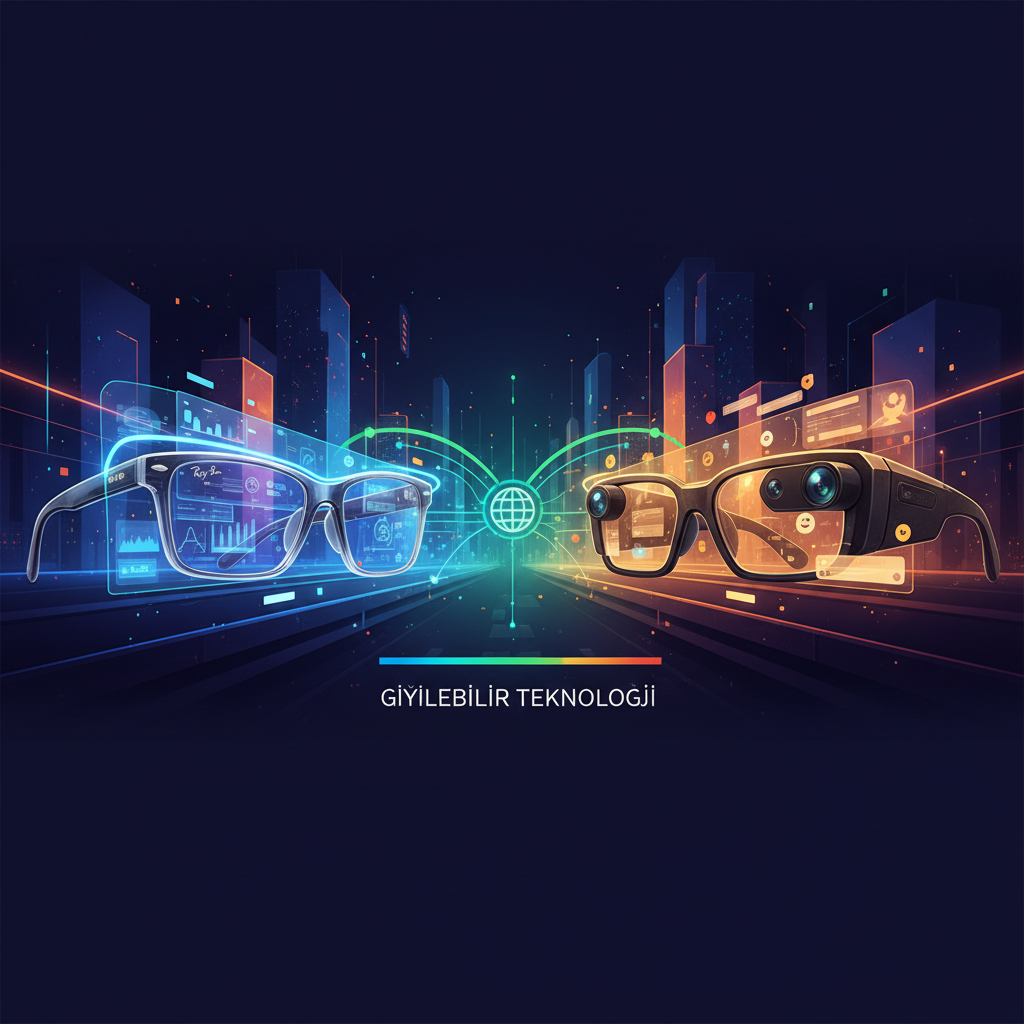
Born from the collaboration between EssilorLuxottica and Meta, Meta Ray-Ban, by 2026, has evolved beyond just a stylish fashion accessory into powerful wearable computers. Going far beyond the camera and audio features of their first generations, they are now equipped with an advanced artificial intelligence assistant. This assistant can perform many functions, from real-time translation to providing information about objects you see, and even offering directions with light AR overlays.

By 2026, Meta Ray-Ban users can instantly translate an unfamiliar language while sitting in a cafe, see their virtual avatar simultaneously while having a live video call with a friend, and perform all these actions without even moving a finger, using natural voice commands.

Particularly standing out with its social media integration, Meta Ray-Ban enables users to capture moments and interact seamlessly with their social circles. Privacy settings have been further developed, with illuminations that clearly indicate when users are recording and easily accessible shut-off buttons, aiming to address the concerns of the end consumer.

Snap Spectacles: The Innovative and Fun Face of Augmented Reality

An inseparable part of the Snapchat ecosystem, Snap Spectacles have transformed into true AR glasses by 2026. The basic camera features of the initial versions have been replaced by fully integrated, real-time AR experiences. Snapchat Lenses now come alive not just on the phone screen, but directly in front of your eyes, on the world itself. This offers users a brand new platform for entertainment and expression.

  • Interactive Games: AR games that interact with your surroundings.
  • Creative Content Creation: The ability to instantly add digital layers to everything you see.
  • Social Sharing: Instantly sharing your AR experiences with friends.

Snap Spectacles, appealing especially to a young and dynamic audience, play a significant role in combining entertainment and social interaction with wearable technology. Thanks to its constantly expanding Lens library, supported by a developer community, the user experience is enriched daily.

Revolutionary Developments in AR Technology (2026 Perspective)

At the heart of this breakthrough in smart glasses by 2026 lie revolutionary advancements in AR technology. Much smaller, energy-efficient, and powerful processors are now combined with lightweight, high-resolution microLED or waveguide displays. This allows glasses to be both stylish and high-performing. 5G and even 6G connection speeds ensure the seamless operation of cloud-based AR applications and real-time data streams. Advanced sensors increase environmental awareness, enabling glasses to understand the physical world more accurately and position digital content accordingly.

Smart Glasses 2026 Usage Scenarios: How Will Our Lives Change?

By 2026, smart glasses have been integrated into the lives of not just tech enthusiasts, but broad masses. Usage scenarios are quite diverse:

  1. Daily Life: Instant navigation instructions, smart notifications, tracking of personal health data, and instant translation features for foreign languages make daily life more fluid.
  2. Work and Education: Remote collaboration is no longer limited to just video calls. Holographic meetings, AR instructions for remote technical support, and interactive training modules are transforming the world of work and education.
  3. Entertainment and Social Media: Interactive AR games, virtual concerts, and enhanced filters and effects for social media sharing are adding a new dimension to the entertainment sector.

Challenges Faced and 2026 Solutions

Of course, the widespread adoption of smart glasses also brought certain challenges. However, by 2026, rational solutions have been found for many of these problems:

  • Privacy and Ethics: Transparent usage rules, legal regulations, and easily accessible on-device privacy controls have become standard to gain consumer trust.
  • Battery Life: Longer usage times on a single charge are possible thanks to energy-efficient processors, optimizations, and improved battery technologies. Additionally, wireless charging solutions have become widespread.
  • Design and Comfort: Lighter materials, customizable designs, and optical correction options ensure that glasses are comfortable and aesthetic for everyone.
  • Price Accessibility: With the maturation of technology, smart glasses have become accessible to broader audiences with models suitable for different budgets.

Looking Ahead: Big Players and the Ecosystem Battle

By 2026, the smart glasses market is not limited to just Meta and Snap. The momentum initiated by Apple with its high-end Vision Pro has pushed other tech giants like Samsung and Google to be more ambitious in the market. This competition is paving the way for the development of the app ecosystem and the emergence of more innovative 'killer apps.' Smart glasses are positioned as a platform with the potential to replace smartphones in the coming years.

Conclusion: Smart Glasses, the New Normal of Life in 2026

By 2026, smart glasses have become the flagship of wearable technology, offering a seamless integration of digital and physical life.

Comments (0)

No comments yet. Be the first to comment!

biMoola Assistant
Hello! I am the biMoola Assistant. I can answer your questions about AI, sustainable living, and health technologies.