AI & Productivity

Rising Fiber Internet Costs: Impact on AI, Productivity, and Digital Equity

Rising Fiber Internet Costs: Impact on AI, Productivity, and Digital Equity

In our increasingly interconnected world, high-speed internet has transitioned from a luxury to a fundamental utility, powering everything from our personal lives to the most advanced technologies like Artificial Intelligence. The bedrock of modern productivity, economic growth, and even social connection relies heavily on robust digital infrastructure. However, recent developments, particularly from the United Kingdom, suggest that the era of affordable fiber internet might be drawing to a close, with significant implications for individuals, businesses, and the broader digital landscape.

Reports indicate that what was once an average monthly broadband bill of around £25 could soon escalate to £45 in the UK, almost doubling in price. This potential surge in fiber internet costs is attributed to various factors, including rising infrastructure development expenses, energy price volatility, and increased demand. While specific to the UK for now, these trends often serve as bellwethers for other developed economies. Such a dramatic increase in essential service pricing raises critical questions about accessibility, the widening digital divide, and the future trajectory of technological adoption, especially for burgeoning fields like AI innovation and global workforce productivity.

This article will delve into the multifaceted consequences of escalating internet costs, examining their potential ripple effects on AI development, personal and professional productivity, and the overarching goal of digital equity. We’ll explore why affordable, high-speed internet is non-negotiable for progress and discuss strategies for navigating these evolving challenges.

The Unseen Foundation: Internet's Critical Role in the Digital Economy

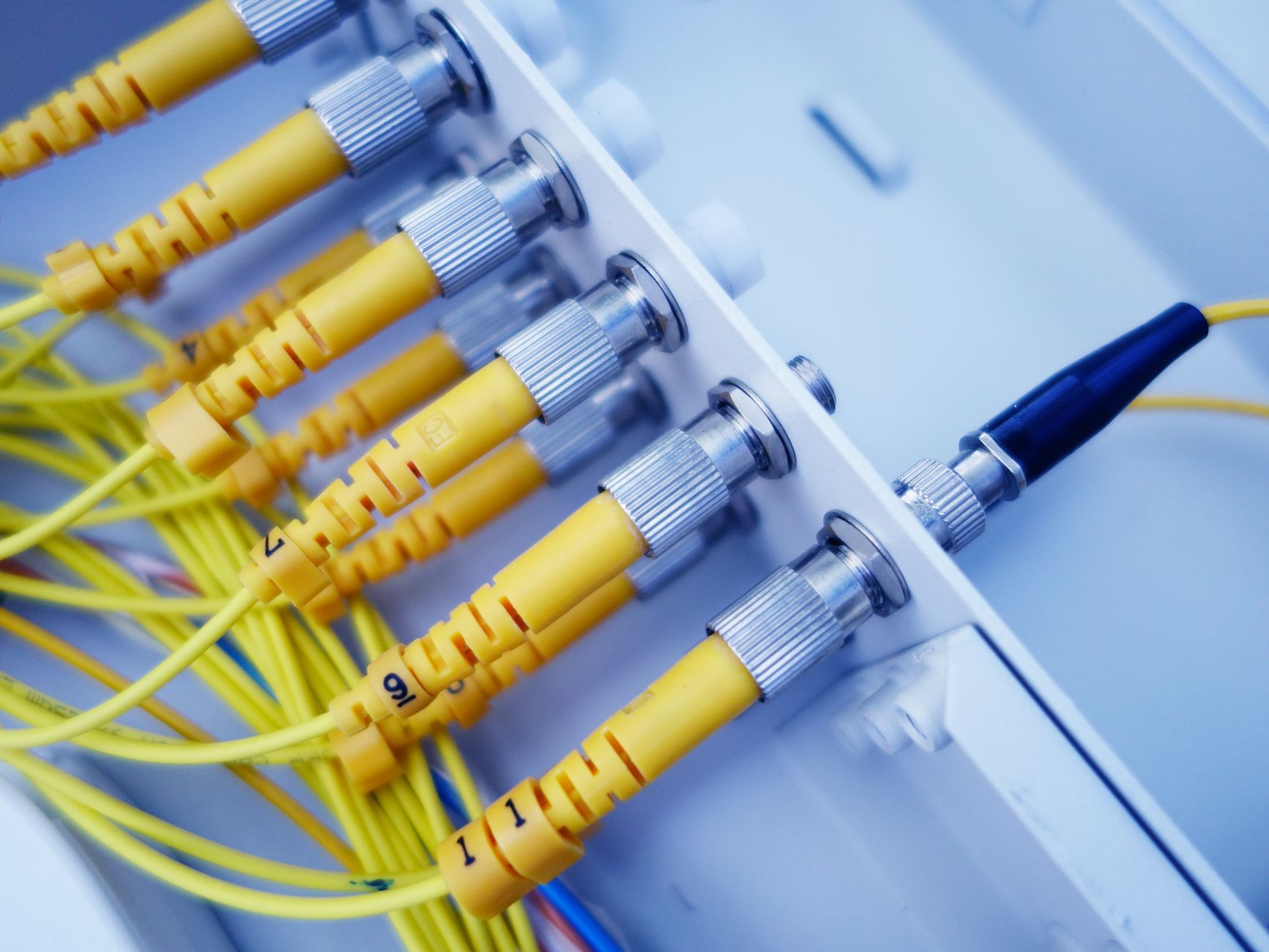
At the heart of every digital interaction, every smart device, and every complex algorithmic process lies the internet. Specifically, high-speed fiber optic internet offers the unparalleled bandwidth and low latency necessary to handle the colossal data demands of the 21st century. It's the silent enabler of cloud computing, remote work, online education, and cutting-edge research. For artificial intelligence, robust internet connectivity is not merely beneficial; it's existential. AI models, particularly those involved in machine learning and deep learning, require constant access to vast datasets for training and deployment. These datasets are often stored in the cloud, accessed through powerful servers, and processed remotely.

Consider the rapid advancements in generative AI, natural language processing, and computer vision. Each of these fields relies on distributed computing power and seamless data transfer. Startups and established tech giants alike depend on affordable, reliable broadband access to innovate, collaborate, and bring their solutions to market. If the fundamental cost of this essential utility rises sharply, it creates a choke point that can hinder progress, increase operational overheads for businesses, and ultimately slow down the pace of innovation that has become synonymous with the digital age.

Furthermore, the global shift towards hybrid and fully remote work models has underscored the internet's role in maintaining workforce productivity. Employees rely on stable connections for video conferencing, accessing cloud-based platforms, collaborating on documents, and leveraging productivity-enhancing tools. Any degradation in access or affordability directly translates into reduced efficiency and increased operational friction for businesses of all sizes.

Navigating the Digital Divide: Affordability Challenges Intensify

The concept of the digital divide refers to the gap between those who have ready access to modern information and communication technology and those who do not. Historically, this gap was often defined by geographical limitations or lack of infrastructure. However, increasingly, affordability is becoming a primary barrier. The prospect of broadband bills nearly doubling, as seen in the UK's potential scenario, could push millions of households and small businesses further into digital exclusion.

For many low-income families, students, and elderly individuals, the internet is not just for entertainment; it's a gateway to education, employment opportunities, telehealth services, and vital government information. When the cost of this essential service becomes prohibitive, it creates a cascading effect. Students may struggle to complete homework, job seekers might miss out on opportunities, and vulnerable populations could lose access to critical support networks. Small and medium-sized enterprises (SMEs), which often operate on tight margins, might find themselves unable to afford the necessary bandwidth to compete with larger, better-resourced corporations. This isn't merely an inconvenience; it's a systemic issue that undermines social mobility and economic fairness.

Moreover, the proposed price hikes occur against a backdrop of global economic uncertainties and cost-of-living crises, making the impact even more profound. Governments and internet service providers (ISPs) face the challenge of balancing infrastructure investment costs with the societal need for equitable access. Without proactive measures, the digital divide, once thought to be narrowing, risks widening once more, creating a two-tiered society where access to the digital future is determined by one's ability to pay.

Impact on AI Innovation and Productivity Paradigms

The health of a nation's AI ecosystem is inextricably linked to the underlying digital infrastructure. High fiber internet costs can cast a long shadow over AI innovation in several critical ways:

  • Reduced Access to Cloud AI Services: Many cutting-edge AI tools and platforms (e.g., Google Cloud AI, AWS AI/ML services, Azure AI) are cloud-based. Higher internet costs mean higher operational expenses for businesses and individual developers looking to leverage these powerful resources. This could particularly stifle startups and academic researchers who rely on cost-effective cloud access for their projects.
  • Slower Data Transfer and Processing: Training large language models or complex neural networks involves moving terabytes, sometimes petabytes, of data. If internet speeds are throttled due to cost-cutting measures, or if bandwidth becomes a premium, the efficiency of AI development cycles will suffer. This can translate to longer development times and increased time-to-market for innovative AI solutions.
  • Inhibition of Edge AI Development: While edge AI aims to process data closer to the source, often it still requires significant upstream connectivity for model updates, data synchronization, and comprehensive analytics. Costly internet could impede the seamless integration and scaling of edge AI applications across various industries.
  • Exacerbated Talent Drain: Nations with expensive or unreliable internet infrastructure may struggle to attract and retain top AI talent. Researchers and developers often seek environments with robust digital ecosystems that support their work efficiently and affordably. If local connectivity becomes a barrier, it could lead to a 'brain drain' towards regions with more competitive digital infrastructure.
  • Impact on Remote AI Teams: Many AI development teams operate remotely or in hybrid models, often across different geographical locations. Consistent, high-speed, and affordable internet is paramount for seamless collaboration, real-time code sharing, and distributed model training. Increased costs could disrupt these effective working paradigms, leading to decreased workforce productivity and operational inefficiencies.

Ultimately, the health of the internet directly correlates with the velocity of technological progress. A slowdown in AI innovation due to foundational cost issues could have long-term consequences for a nation's economic competitiveness and its ability to lead in the global digital landscape.

The Broader Economic Ripple Effects and Sustainable Digital Future

Beyond individual productivity and AI development, the escalating cost of broadband access generates wider economic ripple effects. A country's overall digital competitiveness is significantly influenced by its internet infrastructure and affordability. Nations striving to become digital leaders, fostering a knowledge-based economy, depend on their citizens and businesses having unfettered access to global information and markets.

Increased internet costs can lead to:

  • Reduced Entrepreneurship: Startups and small businesses are often the engines of innovation. If the basic cost of doing business online becomes too high, it can stifle new ventures and limit their ability to scale.
  • Slower Economic Growth: Digital transformation is a key driver of modern economic growth. If access to essential digital tools and services becomes constrained, the pace of this transformation will inevitably slow.
  • Educational Disparities: Online learning platforms and digital resources are crucial for lifelong learning and upskilling. Cost barriers can prevent individuals from accessing these opportunities, creating a less skilled future workforce.

From a sustainable living perspective, while the physical infrastructure of fiber optics is generally more energy-efficient than older copper networks, the financial sustainability of its deployment and maintenance is crucial. If costs are passed on excessively to consumers, it indicates a potential imbalance in the economic model of digital infrastructure. Exploring more sustainable models for infrastructure development, government subsidies for essential services, and fostering healthy competition among ISPs are all vital steps to ensure that the benefits of high-speed internet are widely accessible and contribute to a resilient, equitable, and sustainable digital future.

Strategies for Resilience: Adapting to Higher Costs

As the landscape of internet affordability shifts, individuals and organizations must adopt strategies to mitigate the impact of rising costs and ensure continued access to essential digital services.

For Consumers:

  • Shop Around: Regularly compare deals from different internet service providers. Competition can sometimes lead to better offers, even if overall prices are rising.
  • Assess Your Needs: Do you truly need the highest speed package? For many households, a mid-tier speed might be sufficient, offering cost savings without significant performance loss.
  • Bundle Services: Sometimes, bundling internet with mobile or TV services can lead to discounts. However, always calculate the total cost to ensure genuine savings.
  • Look for Social Tariffs: In some regions, ISPs offer special, lower-cost packages for low-income households. Research if you qualify for such programs.

For Businesses and AI Developers:

  • Optimize Cloud Usage: Be strategic about cloud computing resources. Monitor usage, right-size instances, and utilize cost-saving features like reserved instances or spot instances where appropriate.
  • Negotiate Contracts: For larger organizations, negotiate directly with ISPs for bulk pricing or long-term contracts that lock in rates.
  • On-Premise vs. Cloud Evaluation: For certain AI workloads, evaluate whether on-premise solutions or hybrid approaches might offer better long-term cost efficiency if cloud data transfer costs become prohibitive.
  • Leverage Open-Source AI: Utilize open-source AI frameworks and models to reduce reliance on expensive proprietary services that might have higher data egress charges.
  • Advocate for Digital Equity: Support policies and initiatives that promote affordable broadband access and digital inclusion. This collective advocacy can influence future infrastructure development and pricing strategies.

Governments, too, have a crucial role to play in fostering a competitive market, investing in national digital infrastructure, and implementing policies that ensure universal access to affordable, high-speed internet. Subsidies, regulatory oversight, and initiatives to encourage new market entrants can all contribute to a more equitable and resilient digital ecosystem.

Key Takeaways

  • Fiber Internet Costs on the Rise: Reports from the UK indicate potential near-doubling of broadband prices, a trend that could reflect wider global challenges in infrastructure development and maintenance.
  • Internet as a Fundamental Utility: High-speed internet is no longer a luxury but a critical enabler for modern life, productivity, and technological advancement, particularly for AI.
  • Exacerbating the Digital Divide: Increased costs threaten to widen the gap between those with and without adequate digital access, impacting education, employment, and social equity.
  • Threat to AI Innovation: Higher internet costs can stifle AI development by increasing cloud computing expenses, slowing data transfer, and hindering remote collaboration.
  • Impact on Productivity: Both individual and workforce productivity are directly tied to reliable, affordable internet access, making cost hikes a significant economic concern.
  • Need for Strategic Adaptation: Consumers and businesses must proactively manage internet usage and costs, while governments play a vital role in ensuring equitable and sustainable digital infrastructure.

FAQ Section

Q1: What is causing the increase in fiber internet costs?

The increase in fiber internet costs is multifaceted. Primarily, it stems from the significant capital expenditure required for deploying and maintaining advanced fiber optic networks. This includes the cost of laying new cables, upgrading existing infrastructure, and dealing with inflation in materials and labor. Additionally, rising energy costs, which power data centers and network equipment, contribute to operational expenses. Increased demand for bandwidth, driven by more data-intensive applications like streaming 4K video, cloud gaming, and AI services, also puts pressure on providers to expand capacity, leading to higher costs that are often passed on to consumers. Lastly, market dynamics and regulatory environments can also influence pricing strategies by internet service providers.

Q2: How might this impact small businesses and startups using AI?

Small businesses and startups leveraging AI are particularly vulnerable to rising internet costs. Many rely heavily on cloud-based AI platforms and services due to their cost-effectiveness and scalability, avoiding the need for expensive on-premise hardware. Higher internet costs mean increased operational expenses for accessing these cloud resources, transferring data (especially egress charges), and supporting remote or hybrid teams. This can erode profit margins, limit their ability to scale operations, and potentially force them to cut back on AI initiatives, thereby hindering their innovation and competitiveness against larger, more established companies. It could also make it harder for new AI-driven startups to emerge and thrive, ultimately slowing down the pace of technological advancement in the broader economy.

Q3: What role can governments play in ensuring affordable internet access?

Governments have a critical role in mitigating the impact of rising internet costs and ensuring affordable access for all citizens. This can be achieved through several mechanisms: 1. Subsidies and Social Tariffs: Implementing programs that provide financial assistance or discounted internet plans for low-income households, similar to social housing or utility assistance. 2. Infrastructure Investment: Directly investing in expanding and upgrading national broadband infrastructure, especially in underserved rural areas, to reduce the financial burden on private providers and encourage competition. 3. Regulatory Oversight: Establishing and enforcing regulations that promote fair competition among ISPs, prevent monopolistic practices, and ensure pricing transparency. 4. Policy Development: Creating long-term national digital strategies that prioritize universal broadband access as an essential utility, fostering innovation, and supporting digital literacy initiatives. 5. Public-Private Partnerships: Collaborating with private sector companies to share the costs and risks associated with large-scale infrastructure projects.

The journey towards a truly interconnected and productive global society hinges on ensuring that the fundamental infrastructure—our internet—remains accessible and affordable for everyone. As fiber internet costs continue to evolve, the collective efforts of governments, industries, and consumers will be vital in safeguarding AI innovation, sustaining workforce productivity, and bridging the ever-present digital divide. The future of our digital economy depends on how effectively we address these challenges, ensuring that the promise of technology remains within reach for all.

Editorial Note: This article was produced with AI assistance and reviewed by the biMoola editorial team to ensure accuracy and quality. We are committed to transparent, research-backed content.

Comments (0)

No comments yet. Be the first to comment!

biMoola Assistant
Hello! I am the biMoola Assistant. I can answer your questions about AI, sustainable living, and health technologies.


