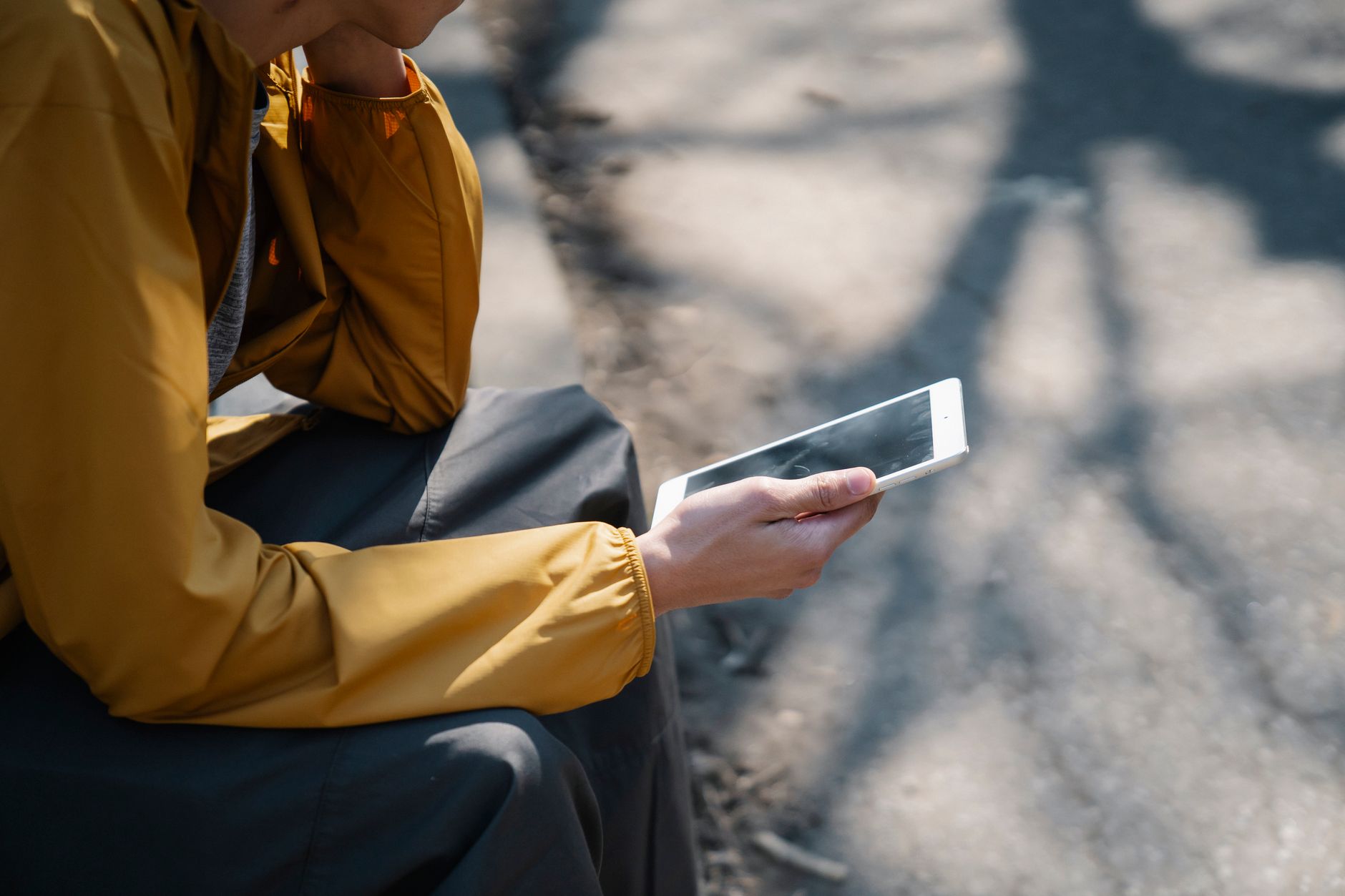
In the relentless rhythm of modern life, few struggles are as universally understood, yet profoundly individual, as the battle for restorative sleep. For many, particularly students navigating the high-stakes environment of academia and the omnipresent pull of digital devices, the ideal of a consistent 10 PM to 6 AM sleep cycle feels like a distant dream. Instead, a disturbing pattern emerges: late-night scrolling morphing into a 3 AM bedtime, followed by a jarring 6 AM wake-up, only to collapse back into a fragmented 3 PM to 7 PM recovery nap. This isn't just an inconvenience; it's a systemic disruption of the body's fundamental biological clock, with far-reaching consequences for physical health, mental clarity, and academic performance.
At biMoola.net, we understand that fixing a 'fucked up' sleep schedule isn't merely about setting an alarm. It's about a holistic recalibration that integrates digital wellness strategies, an understanding of your biology, and a commitment to sustainable habits. This in-depth guide, crafted from genuine expertise in AI & Productivity, Health Technologies, and Sustainable Living, will equip you with actionable strategies to dismantle chaotic sleep patterns and reclaim the consistent, high-quality rest you deserve. We'll delve into the science behind sleep disruption, dissect the role of our digital companions, and provide a clear, step-by-step roadmap to guide you back to a harmonious sleep-wake cycle, transforming not just your nights, but your entire daily experience.
The Modern Sleep Crisis: A Prevalent Challenge
The scenario described by a student battling phone addiction and a severely disjointed sleep schedule is not an isolated incident; it's a microcosm of a widespread public health concern, particularly among adolescents and young adults. The demands of school, social pressures, extracurricular activities, and pervasive digital engagement collectively conspire against adequate rest. The National Sleep Foundation, for instance, recommends 8-10 hours of sleep per night for teenagers (13-17 years old), yet a 2018 CDC report indicated that nearly 7 out of 10 high school students get less than 8 hours of sleep on school nights. This sleep deficit is not merely about feeling tired; it’s about compromising critical physiological and cognitive processes.
Chronic sleep deprivation can significantly impair cognitive functions such as attention, memory, problem-solving, and creativity – all vital for academic success. Beyond the classroom, it elevates the risk of mental health issues like anxiety and depression, compromises immune function, and increases susceptibility to accidents. For a student whose schedule involves sleeping from 3 AM to 6 AM, followed by a substantial afternoon nap from 3 PM to 7 PM, the body is in a perpetual state of flux, struggling to establish a stable circadian rhythm. This 'social jet lag' effect, where internal body clocks are misaligned with external time, is akin to constantly flying across multiple time zones without ever fully adjusting, leading to profound physiological stress.
The Digital Dilemma: Smartphones and Sleep Disruption
The student's honest admission of a 'phone addiction' highlights the primary antagonist for many sleep schedules. Smartphones, with their captivating screens and endless streams of content, are powerful disruptors, often in ways we don't fully appreciate until our sleep is severely compromised. There are several key mechanisms through which digital devices derail our nightly rest:
Blue Light and Melatonin Suppression
The screens of our devices emit a significant amount of blue light. This spectrum of light, while beneficial during the day for boosting attention and mood, is detrimental at night. Research from Harvard Health Publishing consistently shows that blue light suppresses the production of melatonin, the hormone responsible for signaling to our body that it's time to sleep. Compared to other wavelengths, blue light has the most potent effect on shifting circadian rhythms and suppressing melatonin, making it harder to fall asleep and reducing sleep quality even when we eventually drift off.
Cognitive Arousal and Dopamine Loops
Beyond blue light, the content consumed on smartphones is inherently stimulating. Social media, gaming, videos, and even academic research can trigger cognitive arousal, keeping the mind active and alert precisely when it should be winding down. The constant notifications and the 'fear of missing out' (FOMO) create a dopamine reward loop, making it incredibly difficult to disengage. Each 'like,' 'comment,' or new piece of information delivers a small hit of dopamine, reinforcing the desire to keep scrolling and postponing sleep.
Eroding Pre-Sleep Routines
The presence of a smartphone in the bedroom often replaces healthy pre-sleep routines. Instead of reading a physical book, journaling, or engaging in relaxing activities, individuals find themselves tethered to their devices until the moment they try to sleep. This lack of a transition period from active engagement to passive relaxation further complicates the initiation of sleep.
Understanding Your Circadian Rhythm: The Biological Clock
Our sleep-wake cycle is governed by an internal 24-hour clock, known as the circadian rhythm, primarily regulated by the suprachiasmatic nucleus (SCN) in the hypothalamus. This master clock is highly sensitive to external cues, particularly light and darkness. When a student habitually sleeps from 3-4 AM and wakes at 6 AM, then naps from 3 PM to 7 PM, their circadian rhythm is in disarray.
The body expects darkness and melatonin production in the evening to initiate sleep and light exposure in the morning to signal wakefulness. The late-night screen time floods the SCN with blue light, delaying melatonin release. The fragmented sleep, especially the long afternoon nap, further confuses the clock, making it difficult for the body to understand when it's truly night. This constant misalignment leads to feelings of persistent fatigue, 'brain fog,' and makes it incredibly challenging to fall asleep at a 'normal' hour, even when exhaustion sets in.
Strategic Reintegration: A Step-by-Step Recovery Plan
Reclaiming a healthy sleep schedule, especially one as severely disrupted as 3 AM to 6 AM with a 3 PM to 7 PM nap, requires patience, consistency, and a multi-faceted approach. Here's how to systematically reset your internal clock and foster sustainable sleep habits:
Step 1: Gradual Sleep Schedule Shifts – The Anchor Approach
Abruptly shifting from a 3 AM bedtime to 10 PM is often unsustainable. Instead, implement small, consistent changes. The most effective strategy involves establishing an 'anchor' sleep window. Given the current 3 AM bedtime, aim to shift your bedtime by just 15-20 minutes earlier each night or every other night. For instance, if you usually fall asleep at 3 AM, try to be in bed, lights out, device off, by 2:40 AM. Once you successfully manage that for a few nights, shift to 2:20 AM, and so on. Simultaneously, aim for a consistent wake-up time, even on weekends. For a student, this might mean gradually pushing the 6 AM wake-up a little later initially (e.g., to 7 AM) to ensure you still get *some* consolidated sleep, then slowly bring both bedtime and wake time earlier. The afternoon nap must be eliminated or severely limited (e.g., 20-30 minutes, early afternoon) as it reinforces the broken night sleep.
Step 2: Mastering Light Exposure
Light is the most powerful synchronizer of your circadian rhythm. Use it strategically:
- Morning Light: As soon as you wake up, expose yourself to bright natural light. Open curtains, go outside for 10-15 minutes, or use a light therapy lamp. This signals to your brain that the day has begun and helps suppress melatonin.
- Daytime Light: Maximize natural light exposure throughout the day, especially if you're indoors. Sit near windows, take outdoor breaks.
- Evening Darkness: Crucially, minimize bright light exposure 2-3 hours before your target bedtime. Dim the lights, use warm-toned bulbs, and avoid overhead fluorescents.
Step 3: The Digital Detox Protocol
This is arguably the most critical step for someone with 'phone addiction.'
- The 90-Minute Buffer: Implement a strict 'no screens' rule for at least 90 minutes before your target bedtime. This includes phones, tablets, computers, and even bright TVs.
- Bedroom Ban: Declare your bedroom a 'screen-free zone.' Charge your phone outside the bedroom or at least across the room, out of reach. Use a traditional alarm clock instead of your phone.
- App Management: Turn off non-essential notifications on your phone. Consider using 'do not disturb' modes or even temporarily deleting highly addictive social media apps during the resetting phase.
- Digital Sunset: Many devices have 'night shift' or 'blue light filter' settings. While helpful, they are not a substitute for complete avoidance. Use them, but don't rely solely on them.
Step 4: Cultivating a Consistent Bedtime Routine
A predictable sequence of relaxing activities signals to your body that sleep is approaching. This 30-60 minute routine should be device-free and calming:
- Warm bath or shower
- Reading a physical book (not on a device)
- Gentle stretching or yoga
- Listening to calming music or a podcast (played through a non-visual device like a dedicated speaker)
- Journaling or meditation
Leveraging Technology for Sleep Wellness (Responsibly)
While technology is often the culprit, certain tools, when used judiciously, can aid in your sleep recovery journey. The key is responsible application and avoiding reliance on screens in the bedroom.
- Sleep Trackers: Wearable devices (smartwatches, rings) and certain apps can monitor sleep duration, stages, and consistency. While not always clinically precise, they can offer valuable insights into patterns and help track progress, provided they don't become another source of anxiety. Focus on trends rather than obsessing over daily numbers.
- Smart Lighting: 'Smart bulbs' can be programmed to gradually dim and change color temperature to warmer hues in the evening, mirroring natural sunset, and gradually brighten in the morning. This supports your natural circadian rhythm.
- Sound Machines & Meditation Apps: Apps like Calm or Headspace offer guided meditations, sleep stories, and white noise or nature sounds that can help calm a restless mind. Crucially, these should be played through a speaker, with the phone placed out of reach and screen off.
- Productivity Tools: For students, using productivity apps to plan their day can reduce last-minute stress and the feeling of needing to work late, thus indirectly improving sleep. Tools that block distracting websites during study hours can also be beneficial.
Nutritional and Lifestyle Pillars for Restorative Sleep
Beyond digital hygiene, a healthy diet and active lifestyle are foundational to good sleep.
- Diet: Avoid heavy meals, excessive caffeine, and alcohol close to bedtime. Caffeine can stay in your system for hours, disrupting sleep. Alcohol, while initially inducing sleepiness, fragments sleep later in the night. Focus on balanced meals throughout the day.
- Exercise: Regular physical activity is a powerful sleep aid. Aim for at least 30 minutes of moderate-intensity exercise most days of the week. However, intense exercise too close to bedtime (within 2-3 hours) can be stimulating and counterproductive.
- Stress Management: Academic pressures and personal anxieties are significant sleep disruptors. Incorporate stress-reducing practices into your daily routine, such as mindfulness, deep breathing exercises, or spending time in nature.
- Bedroom Environment: Ensure your bedroom is a sanctuary for sleep: dark, quiet, and cool (ideally between 60-67°F or 15-19°C). Block out all light, minimize noise, and ensure your mattress and pillows are comfortable.
Statistics on Sleep Disruption and Its Impact
The numbers paint a clear picture of the pervasive nature and significant consequences of poor sleep, especially for young people:
- Adolescent Sleep Deficit: Only 22% of U.S. high school students get sufficient sleep (8+ hours) on an average school night, according to a 2020 study by the National Sleep Foundation.
- Blue Light Impact: Exposure to blue light before bed can suppress melatonin production by up to 50%, delaying sleep onset by an average of 16 minutes, as per various studies including those summarized by Harvard Medical School.
- Smartphone Usage: Teenagers (13-18 years old) spend an average of 7 hours and 22 minutes per day on screen media for entertainment, excluding time for schoolwork, as reported by Common Sense Media in 2019.
- Academic Performance: A 2010 study published in the journal Sleep found that students who consistently slept fewer hours per night had lower GPAs, directly linking sleep deprivation to reduced academic achievement.
- Mental Health Link: Chronic sleep deprivation in adolescents is strongly correlated with increased risks of depression, anxiety, and suicidal ideation, highlighted by numerous studies cited by the American Academy of Sleep Medicine.
Our Take: The biMoola.net Expert Analysis
The student's predicament is a potent illustration of the modern productivity paradox: we grasp for more hours in the day, often at the expense of sleep, believing it boosts output, when in reality, it critically degrades it. From a biMoola.net perspective, focusing on AI & Productivity, Health Technologies, and Sustainable Living, the solution isn't just about 'sleeping more,' but 'sleeping smarter' and 'living more intentionally.'
True productivity is not measured by hours worked, but by the quality of output, which is intrinsically linked to cognitive function restored by deep sleep. As AI tools become more integrated into our workflows, the premium on human creativity, critical thinking, and problem-solving—all fueled by good sleep—will only increase. Health technologies, from sleep trackers to smart lighting, offer powerful assistive tools, but they are not magic bullets. They demand conscious, disciplined application to be truly beneficial, rather than becoming just another digital distraction.
Ultimately, reclaiming your sleep schedule is an act of self-sustainability. It's about recognizing that your body and mind are your most valuable resources. Just as we advocate for sustainable practices for the planet, we must champion sustainable practices for our personal well-being. This means cultivating an environment and a routine that prioritizes restorative rest, viewing it not as a luxury or a negotiable, but as a foundational pillar for peak performance, robust health, and overall quality of life. The journey from a 3 AM bedtime to a consistent 10 PM to 6 AM cycle is a testament to resilience, self-awareness, and the profound impact of intentional digital wellness.
Key Takeaways
- Gradualism is Key: Don't attempt drastic, overnight changes. Shift your sleep and wake times by only 15-20 minutes every 1-2 days to allow your body to adjust.
- Digital Detox is Non-Negotiable: Implement a strict 'no screens' rule for at least 90 minutes before bedtime and ban phones from the bedroom to minimize blue light and cognitive arousal.
- Leverage Light Wisely: Maximize bright natural light exposure in the morning and during the day, and minimize all bright light, especially blue light, in the 2-3 hours leading up to your target bedtime.
- Consistency and Routine: Establish a consistent bedtime and wake-up time, even on weekends, and build a relaxing, device-free pre-sleep routine to signal to your body it's time to wind down.
- Holistic Approach: Integrate healthy diet, regular exercise (not too close to bed), stress management, and a conducive sleep environment to support your body's natural sleep processes.
Q: How quickly can I fix a severely disrupted sleep schedule like sleeping at 3 AM and waking at 6 AM?
A: Realistically, fixing a severely disrupted sleep schedule like this can take anywhere from a few weeks to a couple of months. It's not an overnight fix, as your body's circadian rhythm needs time to recalibrate. Gradual shifts of 15-20 minutes every 1-2 days are more sustainable than attempting a sudden 5-6 hour jump. Patience and unwavering consistency are paramount. Expect some days to feel more challenging than others, but persistence will yield results.
Q: What are the most effective strategies to curb smartphone use before bedtime?
A: The most effective strategies involve both behavioral changes and environmental modifications. First, implement a strict 'digital sunset' – no screens (phones, tablets, computers, TV) for at least 90 minutes before your desired bedtime. Second, make your bedroom a 'screen-free zone' by charging your phone outside the room or placing it far across the room, using a traditional alarm clock instead. Third, consider using app blockers or 'do not disturb' modes to limit tempting notifications. Replacing screen time with a relaxing, device-free routine (reading a physical book, journaling, gentle stretching) is also crucial.
Q: Is it normal to feel tired and unproductive during the transition period of resetting my sleep?
A: Absolutely. Feeling tired, groggy, and less productive during the initial phase of resetting a severely disrupted sleep schedule is entirely normal. Your body and brain are undergoing a significant adjustment as they try to synchronize to a new rhythm. This is often referred to as 'sleep inertia' or mild 'social jet lag.' It's important to be compassionate with yourself, manage expectations, and prioritize rest. Maintaining consistency despite the temporary discomfort is key to successfully establishing the new pattern.
Q: Can sleep-tracking apps or smart devices genuinely help, or are they just another digital distraction?
A: Sleep-tracking apps and smart devices can be genuinely helpful tools when used responsibly and with a clear purpose. They can provide valuable data on your sleep duration, consistency, and potential disruptions, helping you identify patterns and track your progress. However, they can become another digital distraction if you obsess over daily numbers, compare yourself to others, or spend excessive time analyzing the data on your phone before bed. Use them for general insights into trends over time, but always prioritize listening to your body's natural cues and avoid bringing the device's screen into your wind-down routine.
Sources & Further Reading
Disclaimer: For informational purposes only. Consult a healthcare professional for personalized medical advice or treatment.
Comments (0)
To comment, please login or register.
No comments yet. Be the first to comment!