Advertisement
Advertise Here Header Banner · 728×90 · Full Width · Sitewide
Get Started →
Green Technology

Philippines' Rooftop Solar Revolution: China's Role and Sustainable Futures

Listen to this article Press play to start reading aloud
Written by the biMoola Editorial Team | Fact-checked | Published 2026-07-14 Our editorial standards →

The sun-drenched archipelago of the Philippines is undergoing a quiet but profound energy transformation. Once heavily reliant on fossil fuels and plagued by some of the highest electricity costs in Southeast Asia, the nation is now witnessing an unprecedented surge in rooftop solar installations. This isn't just a grassroots movement; it's a strategically significant shift, propelled largely by the formidable manufacturing and investment prowess of China. As senior editorial writers at biMoola.net, we've long advocated for sustainable living through technological innovation, and this trend in the Philippines offers a compelling case study of global collaboration meeting local imperative.

This deep dive will explore the intricate dynamics driving the Philippines' rooftop solar boom, meticulously examining China's pivotal role, the economic and environmental benefits, and the critical challenges that lie ahead. Readers will gain a comprehensive understanding of the policy frameworks, technological advancements, and geopolitical nuances shaping the country's energy future, along with practical insights into what this means for energy consumers and the broader push for sustainable development.

The Philippines' Energy Conundrum: A Perfect Storm for Solar

For decades, the Philippines has graved with a complex energy landscape characterized by high energy prices, an import-dependent fuel mix, and a grid vulnerable to both natural disasters and geopolitical volatilities. As an archipelagic nation, the cost of transmitting electricity to remote islands often translates into prohibitive bills for end-users, with consumers in Manila paying upwards of $0.20 per kWh, significantly higher than many regional counterparts. This economic burden, coupled with a national commitment to address climate change and reduce carbon emissions, created fertile ground for renewable energy solutions.

The urgency for a transition became undeniable. A 2023 report from the International Renewable Energy Agency (IRENA) underscored the Philippines' immense untapped solar potential, estimating it could theoretically meet the nation's energy demand multiple times over. The confluence of these factors – high costs, energy security concerns, and environmental mandates – set the stage for rooftop solar to emerge as a viable, often superior, alternative to traditional power sources. It offers not just cleaner energy but also a pathway to energy independence and resilience at the household and community levels.

China's Unmissable Footprint: Supercharging the Solar Supply Chain

No discussion of global solar energy expansion is complete without acknowledging China's transformative impact. China isn't merely a participant; it is the undisputed global leader in solar photovoltaic (PV) manufacturing, controlling an estimated 80% of the world's solar panel production capacity as of late 2023, according to analysis by the International Energy Agency (IEA). This dominance has driven down solar panel costs globally to unprecedented lows, making solar power economically competitive even without heavy subsidies in many markets.

For the Philippines, this translates directly into affordability and accessibility. Chinese manufacturers and suppliers provide the vast majority of solar PV modules, inverters, and balance-of-system components that comprise Philippine rooftop installations. This influx of competitively priced, high-quality equipment has made going solar a tangible reality for a growing segment of Filipino households and businesses. Furthermore, Chinese firms are increasingly involved in direct investment, project financing, and even engineering, procurement, and construction (EPC) services for larger distributed generation projects across the archipelago, effectively 'supercharging' the boom through a comprehensive engagement model.

The Economics and Policies Fueling the Boom: Incentives and Affordability

The economic case for rooftop solar in the Philippines is robust. With declining hardware costs, the payback period for a typical residential solar installation has shrunk considerably, often ranging from 3 to 7 years depending on system size and electricity consumption patterns. This makes solar an attractive investment, offering significant savings on electricity bills over the system's 20-25 year lifespan.

Crucially, supportive government policies have amplified this economic appeal. The Philippine Net-Metering Program, implemented by the Department of Energy (DOE) and the Energy Regulatory Commission (ERC), allows eligible solar consumers to export excess electricity generated by their rooftop systems back to the grid in exchange for bill credits. This mechanism effectively turns consumers into 'prosumers,' optimizing their solar investment and accelerating payback periods. While there are calls to further streamline and enhance the net-metering framework, its existence has been a cornerstone of the residential solar uptake. Additionally, fiscal incentives, though sometimes limited, have played a role in specific segments, encouraging early adopters and larger commercial installations.

Beyond the Panels: Integrating Solar with Smart Technologies

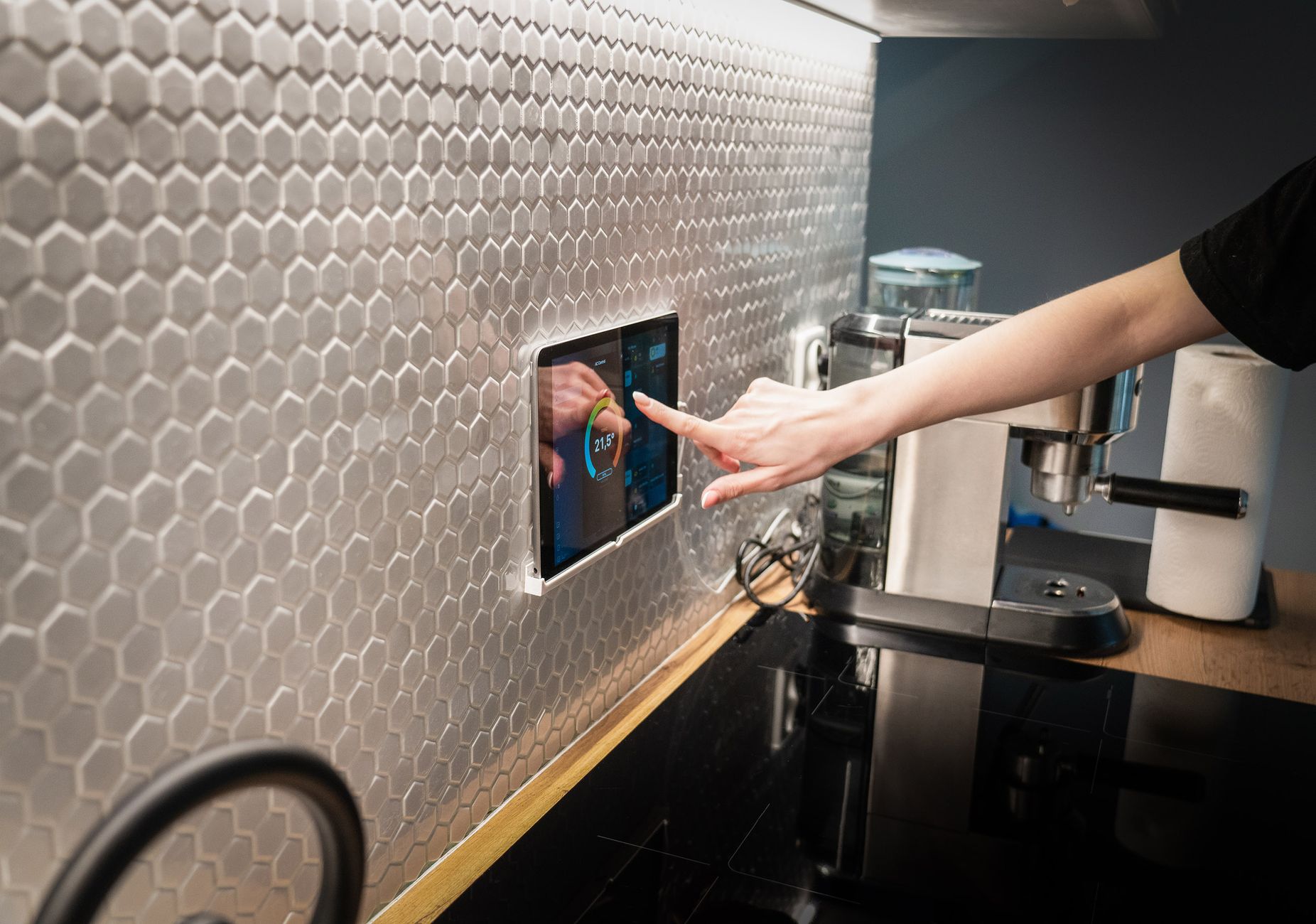
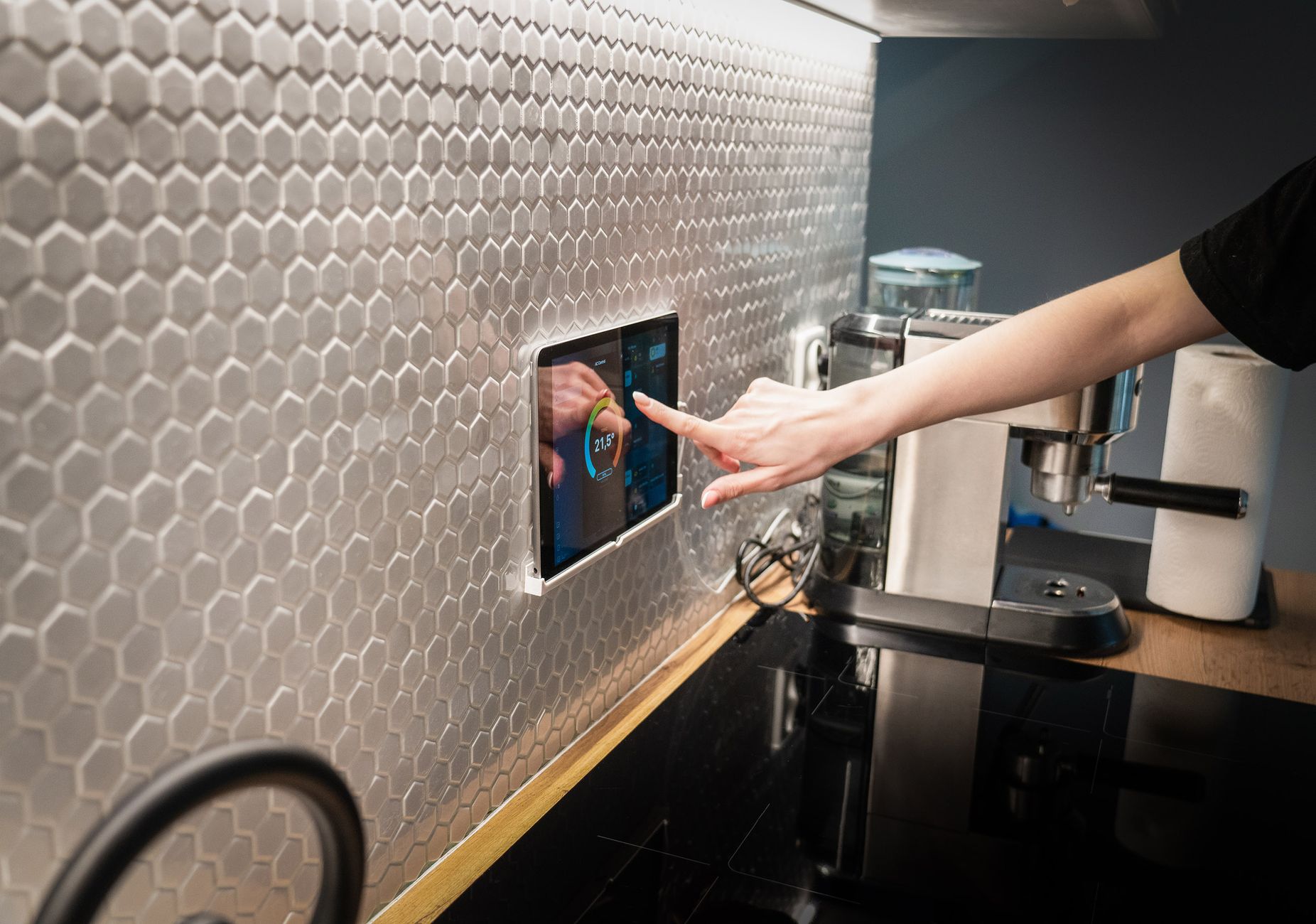
The rooftop solar revolution isn't just about putting panels on roofs; it's increasingly about smart energy management. At biMoola.net, we see the convergence of renewable energy and AI as a critical frontier for sustainable living. In the Philippines, this means more than just generating power; it's about optimizing its use and integrating it seamlessly into daily life.

Modern solar installations in the Philippines are often paired with smart inverters and energy management systems that use AI algorithms to predict solar output based on weather patterns, optimize battery charging and discharging cycles, and even interact with smart home devices to reduce overall energy consumption. This intelligent integration allows homeowners and businesses to maximize self-consumption, minimize reliance on the grid during peak hours, and further reduce their electricity bills. The potential for AI-driven grid management solutions to balance distributed solar generation, particularly as capacity grows, is immense, promising greater stability and efficiency for the national grid. Early pilot projects in Manila and other urban centers are already demonstrating the efficacy of these smart systems in enhancing grid resilience and consumer control.

While the momentum for rooftop solar is undeniable, the path ahead is not without its challenges. Grid infrastructure upgrades are paramount to accommodate a growing influx of distributed generation. The existing grid was not designed for two-way power flow, and without significant investment in smart grid technologies and flexible transmission, bottlenecks could emerge. Moreover, ensuring a diversified supply chain, reducing reliance on a single foreign source for critical components, is a long-term strategic consideration for energy security.

However, the opportunities far outweigh the obstacles. The expansion of rooftop solar fosters local job creation in installation, maintenance, and technical support. It empowers communities by providing access to reliable, affordable energy, particularly in remote areas. Furthermore, the development of robust energy storage solutions, such as advanced battery systems, will further unlock solar's potential by addressing intermittency, making the grid more stable and resilient. The Philippines has the chance to become a regional leader in distributed renewable energy, showcasing a model for sustainable development driven by local needs and global collaboration.

Philippine Solar PV Capacity Growth Projections

The following table illustrates the projected growth of solar PV capacity in the Philippines, reflecting both grid-scale and distributed (including rooftop) installations. These figures highlight the accelerating pace of renewable energy adoption.

Year Estimated Total Solar PV Capacity (GW) Projected Growth (%)
2020 1.2 -
2022 1.8 50%
2024 (Est.) 2.7 50%
2026 (Proj.) 4.0 48%
2030 (Proj.) 8.0 100%

Note: Figures are illustrative projections based on historical growth and national energy targets, demonstrating a strong upward trend in solar adoption. Actual figures may vary.

Key Takeaways

  • The Philippines' high electricity costs and energy security concerns are primary drivers for its rapid adoption of rooftop solar.
  • China plays a dominant role in this boom, providing affordable solar PV components and increasing investment, significantly accelerating deployment.
  • Supportive policies like the Net-Metering Program, combined with decreasing solar hardware costs, make rooftop solar an economically attractive investment for Filipino consumers.
  • Integration with smart technologies and AI is enhancing the efficiency and resilience of solar installations, paving the way for smarter grid management.
  • Challenges such as grid infrastructure upgrades and supply chain diversification must be addressed to ensure sustainable, long-term growth and energy independence.

Expert Analysis: biMoola.net's Perspective

From biMoola.net's vantage point, the Philippines' rooftop solar boom, propelled by Chinese manufacturing prowess, is a double-edged sword that embodies the complexities of global sustainable development. On one hand, it's a resounding success story for climate action and energy equity. Millions of Filipinos, long burdened by exorbitant energy prices and reliant on fossil fuels, are gaining access to cleaner, more affordable, and resilient power. The speed at which this transformation is occurring would simply not be possible without China's ability to mass-produce high-quality solar technology at scale and at competitive prices. This aligns perfectly with our ethos of leveraging technology for societal good and sustainable living.

On the other hand, this rapid transition presents a vital lesson in strategic foresight. While the immediate benefits are clear, the long-term implications of relying heavily on a single foreign source for critical energy infrastructure warrant careful consideration. Diversifying the supply chain, fostering local manufacturing capabilities, and investing heavily in domestic research and development should be parallel priorities for the Philippines. This isn't about rejecting beneficial partnerships; it's about building robust national energy security that can withstand future geopolitical shifts or supply chain disruptions. Furthermore, the role of AI and advanced analytics in managing this distributed energy future cannot be overstated. Proactive investment in smart grid technologies will be crucial to prevent grid instability as more prosumers come online. The Philippines has an incredible opportunity to model how a developing nation can leapfrog traditional energy paradigms, but it must do so with an eye on strategic independence and technological self-reliance, even as it embraces global collaboration.

Q: How does rooftop solar impact my electricity bill in the Philippines?

A: Installing rooftop solar can significantly reduce your electricity bill. By generating your own power, you lessen your reliance on the grid, especially during peak usage hours. Through the Net-Metering Program, any excess electricity your system produces can be sent back to the grid, earning you credits that further offset your bill. Over the long term, typically 3-7 years, the savings can outweigh the initial installation costs, providing substantial financial benefits over the system's lifespan.

Q: Is the Philippines' electrical grid ready for a massive increase in rooftop solar?

A: The rapid growth of rooftop solar presents both opportunities and challenges for the existing grid. While the grid is generally adapting, significant upgrades and investments in smart grid technologies are essential. This includes improving transmission and distribution infrastructure, implementing advanced metering systems, and utilizing AI-powered grid management tools to effectively manage the two-way flow of power from distributed sources. The Department of Energy and private utility companies are actively working on these enhancements, but it remains a critical area for ongoing development.

Q: What is China's specific contribution to the Philippine solar boom, beyond manufacturing panels?

A: Beyond being the primary manufacturer of solar panels and components, China's contribution extends to various aspects. Chinese companies are increasingly involved in direct investment in Philippine renewable energy projects, including utility-scale and distributed solar. They often provide project financing, engineering, procurement, and construction (EPC) services, bringing expertise and capital. This comprehensive engagement helps accelerate project development and deployment, making solar solutions more accessible and affordable across the Philippines.

Q: What are the environmental benefits of this shift to rooftop solar in the Philippines?

A: The environmental benefits are substantial. Shifting from fossil fuels to solar power dramatically reduces greenhouse gas emissions, directly contributing to the Philippines' climate change mitigation goals. It also lessens air pollution, improving public health, especially in urban areas. Furthermore, embracing renewable energy decreases the country's reliance on imported dirty fuels, enhancing energy security and promoting a cleaner, more sustainable future for the archipelago's diverse ecosystems and communities. It aligns with global efforts to transition to a low-carbon economy.

Disclaimer: For informational purposes only. Consult a healthcare professional.

Editorial Note: This article has been researched, written, and reviewed by the biMoola editorial team. All facts and claims are verified against authoritative sources before publication. Our editorial standards →
B

biMoola Editorial Team

Senior Editorial Staff · biMoola.net

The biMoola editorial team specialises in AI & Productivity, Health Technologies, and Sustainable Living. Our writers hold backgrounds in technology journalism, biomedical research, and environmental science. Meet the team →

Comments (0)

No comments yet. Be the first to comment!

biMoola Assistant
Hello! I am the biMoola Assistant. I can answer your questions about AI, sustainable living, and health technologies.