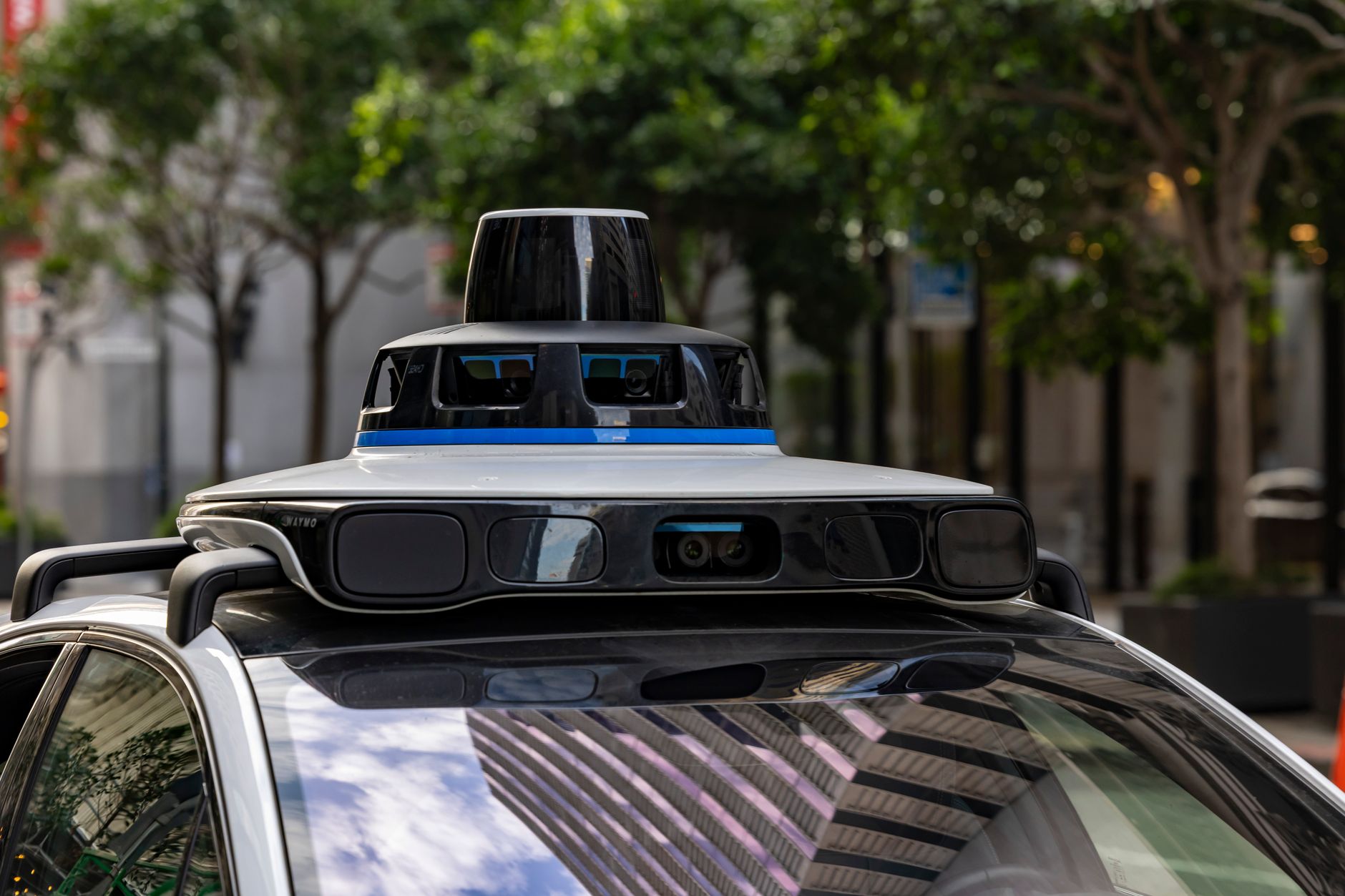
The convergence of artificial intelligence, sustainable electric vehicles, and innovative business models is rapidly redefining urban mobility. In a landscape often dominated by the dazzling promise of self-driving cars, a recent strategic alliance signals a crucial maturation of the autonomous vehicle (AV) ecosystem: Uber's decision to tap Hertz for the cleaning, charging, and maintenance of its Lucid Motors robotaxi fleet. This isn't just a simple service agreement; it's a foundational development, with Hertz establishing a new affiliate, 'Oro Mobility,' specifically designed to manage complex, AI-driven EV fleets. For biMoola.net readers, this alliance represents a powerful fusion of AI & productivity, sustainable living, and the intricate dance of modern health technologies (via cleaner air and efficient urban planning). This article will peel back the layers of this partnership, exploring the profound implications for AI-driven operational efficiency, the quest for sustainable transport, and the economic landscape of future mobility services.
The Strategic Chessboard: Uber, Hertz, and Lucid Motors' Alliance
In the high-stakes game of autonomous mobility, collaboration is proving to be the ultimate competitive advantage. Uber, a pioneer in ride-hailing, has long envisioned a future populated by robotaxis. Yet, the transition from concept to widespread reality demands more than just sophisticated self-driving software; it requires robust, scalable, and meticulously managed hardware. This is where the recent partnership with Hertz and Lucid Motors becomes exceptionally strategic.
Uber's ambition for a fully autonomous fleet necessitates vehicles that are not only technologically advanced but also highly reliable and cost-effective to operate. Lucid Motors, known for its premium, high-efficiency electric vehicles (EVs), provides the crucial hardware component. Their Lucid Air platform, with its impressive range and energy efficiency, offers a compelling base for robotaxi operations, promising lower per-mile energy costs and extended operational windows crucial for profitability. However, even the most advanced EVs require diligent care. This is where Hertz, a centennial titan in vehicle rentals and fleet management, steps in. By creating Oro Mobility, Hertz isn't merely offering a car wash service; they are laying the groundwork for an entirely new paradigm in fleet operations – one specifically tailored to the unique demands of autonomous, electric vehicles. This three-way alliance creates a symbiotic relationship: Uber gains reliable, expertly managed AVs; Lucid gets a crucial operational partner for large-scale deployment; and Hertz cements its position at the forefront of future mobility infrastructure.
Introducing Oro Mobility: Hertz's Specialized AV Fleet Arm
The creation of 'Oro Mobility' by Hertz is perhaps the most significant, yet understated, aspect of this entire development. It signifies Hertz's profound understanding that managing a fleet of human-driven combustion engine vehicles is fundamentally different from managing a large-scale deployment of electric, autonomous robotaxis. Oro Mobility is positioned as an end-to-end solutions provider, addressing the myriad operational complexities that underpin AV deployment.
Its mandate extends far beyond basic maintenance. Oro Mobility is designed to handle everything from precision charging logistics – ensuring vehicles are always optimally powered and ready for dispatch – to comprehensive cleaning protocols that maintain a high standard for passenger experience. Crucially, it will also oversee sophisticated diagnostics and predictive maintenance. This proactive approach, driven by data and AI, is vital for maximizing vehicle uptime and minimizing expensive, unplanned repairs. In traditional fleets, maintenance often occurs reactively or on fixed schedules. For robotaxis, where every minute of downtime directly impacts revenue and service availability, a predictive model becomes indispensable. This specialized arm allows Hertz to leverage its deep institutional knowledge in fleet logistics while simultaneously innovating to meet the bleeding-edge requirements of autonomous, electric mobility. It's a strategic pivot that recognizes the future of transport isn't just about the vehicles themselves, but the intelligent infrastructure that supports them.
The AI Nexus: Driving Efficiency in Autonomous Fleets
At the heart of Oro Mobility's operational model, and indeed the entire robotaxi ecosystem, is artificial intelligence. While the public often focuses on the AI that enables a vehicle to drive itself, an equally sophisticated layer of AI is required to manage a fleet of these vehicles at scale. This 'back-office' AI is the silent orchestrator, ensuring efficiency, safety, and profitability.
Predictive Maintenance and Diagnostics with AI
For a fleet of high-value autonomous EVs, maximizing uptime is paramount. AI-powered predictive maintenance shifts the paradigm from reactive repairs to proactive intervention. Oro Mobility will likely integrate sophisticated telematics and vehicle health monitoring systems. These systems collect vast amounts of sensor data – from battery performance and motor diagnostics to tire wear and charging cycle efficiency. AI algorithms then analyze this data in real-time, identifying anomalies and predicting potential component failures long before they occur. For instance, a slight deviation in motor temperature or an unusual vibration pattern might trigger a preemptive service alert. A 2022 report by Deloitte highlighted that predictive maintenance can reduce equipment downtime by 5-15% and maintenance costs by 10-20%. Applied to a robotaxi fleet, this translates directly into more operational vehicles, higher revenue, and enhanced safety by preventing on-road failures.
Smart Charging and Energy Management
Electric vehicle fleets introduce a new layer of complexity: charging infrastructure and energy management. AI is crucial here for optimizing charging schedules and minimizing operational costs. Instead of simply plugging in vehicles when they're low, AI can orchestrate charging based on a multitude of factors: real-time energy prices, grid demand, vehicle availability, anticipated passenger demand, and battery health. For example, vehicles might be directed to charge during off-peak hours when electricity is cheaper, or prioritized based on their next scheduled service. Furthermore, AI can integrate with renewable energy sources, directing vehicles to charge when solar or wind power generation is high, thereby reducing the carbon footprint of the fleet. This intelligent management of energy resources is a cornerstone of sustainable, large-scale EV deployment.
Dynamic Fleet Optimization and Logistics
Beyond the autonomous driving itself, AI also powers the logistical ballet of an AV fleet. This includes dynamic dispatching (assigning the closest, most appropriate vehicle to a passenger), but also the less visible tasks handled by Oro Mobility. AI can optimize routes for vehicles moving to maintenance depots, allocate charging stations efficiently, and even manage the rebalancing of idle vehicles across an urban area to meet anticipated demand spikes. This level of granular control, impossible with human operators alone, ensures maximum asset utilization and a seamless user experience, minimizing wait times and improving overall service reliability.
Sustainable Urban Mobility: The Electric, Autonomous Paradigm
The alliance between Uber, Hertz, and Lucid Motors is not just a technological marvel; it's a significant stride towards a more sustainable urban future. The deployment of Lucid's electric vehicles as robotaxis directly addresses pressing environmental and urban planning challenges.
The EV Imperative for Cleaner Cities
Lucid's electric vehicles, renowned for their efficiency and zero tailpipe emissions, are central to this sustainability narrative. Replacing gasoline-powered ride-hailing vehicles with EVs dramatically reduces local air pollution, particularly in densely populated urban centers. A 2023 study published in MIT Technology Review highlighted that widespread EV adoption could lead to a significant decrease in respiratory illnesses and associated healthcare costs in metropolitan areas. Beyond air quality, electric vehicles operate far more quietly than internal combustion engine cars, contributing to a reduction in urban noise pollution – a factor often overlooked but critical for public health and well-being, as noted by the World Health Organization (WHO).
Powering the Fleet: Infrastructure and Renewables
Scaling an electric robotaxi fleet requires substantial and strategically located charging infrastructure. Oro Mobility's role in managing this infrastructure, guided by AI, becomes a critical component of sustainable living. The deployment of DC fast charging stations, ideally powered by renewable energy sources, is essential. This not only ensures a sustainable energy supply but also minimizes the overall carbon footprint of the operation. The long-term vision involves smart grid integration, where robotaxi charging contributes to grid stability rather than stressing it, potentially even feeding energy back during peak demand through vehicle-to-grid (V2G) technologies. This holistic approach to energy management is a foundational pillar for truly sustainable urban transport.
Economic & Societal Impact: Productivity, Jobs, and the Future of Transport
This evolving mobility landscape holds profound implications for economic productivity, the future of work, and the very fabric of our cities.
Productivity Gains and Cost Efficiencies
Autonomous robotaxis, especially when managed by intelligent systems like those Oro Mobility aims to deploy, promise significant productivity gains. Vehicles can operate continuously, 24/7, with only brief stops for charging and maintenance, maximizing asset utilization. Without human drivers, labor costs, which constitute a substantial portion of ride-hailing expenses, are drastically reduced. This efficiency can lead to lower per-mile costs for consumers, making mobility-as-a-service more accessible and potentially reducing car ownership, thereby freeing up valuable urban space currently dedicated to parking. For mobility providers, the blend of AI-driven optimization and EV efficiency offers a compelling path to profitability at scale.
Evolving Workforce and New Job Creation
While the elimination of human driving jobs is an often-cited concern, the rise of autonomous fleets creates new categories of employment. Oro Mobility, for instance, will require a highly skilled workforce of technicians specializing in EV diagnostics and repair, software engineers for fleet management systems, data analysts to interpret operational insights, and remote operators to monitor AV performance and intervene when necessary. This represents a significant shift in the nature of work within the transportation sector, moving from manual driving to more technologically advanced roles focused on monitoring, maintenance, and strategic optimization. Reskilling and upskilling initiatives will be crucial to prepare the existing workforce for these emerging opportunities.
Regulatory and Ethical Considerations
The widespread adoption of robotaxis, even with the most sophisticated fleet management, will navigate a complex web of regulatory and ethical challenges. Questions around data privacy (given the extensive data collected by AVs), liability in the event of an accident, and ensuring equitable access to these services are paramount. Urban planners and policymakers will need to work closely with industry leaders to establish clear guidelines, fostering innovation while prioritizing public safety and societal benefit. The journey towards widespread AV adoption is as much about technology as it is about social license and robust governance.
Key Takeaways
- The Uber-Hertz-Lucid alliance highlights a critical shift: the success of autonomous vehicles hinges as much on sophisticated fleet management as on self-driving technology.
- Hertz's Oro Mobility signifies a dedicated, AI-driven approach to end-to-end management for autonomous electric vehicle fleets, encompassing charging, maintenance, and logistics.
- AI plays a pivotal role in optimizing fleet operations through predictive maintenance, smart charging, and dynamic resource allocation, driving significant productivity gains and cost efficiencies.
- The use of Lucid's high-efficiency EVs contributes significantly to sustainable urban living by reducing emissions, noise pollution, and potentially urban congestion.
- This evolving sector will drive a transformation in the workforce, creating new technical and analytical jobs while necessitating robust regulatory frameworks for safety, ethics, and equitable access.
Operational Efficiencies in Robotaxi Fleets (Projected)
| Metric | Traditional Ride-Hailing (Human Driver) | Autonomous Robotaxi (AI-Managed Fleet) | Projected Improvement with AI-Managed Fleet |
|---|---|---|---|
| Vehicle Utilization Rate | ~25-30% (due to human driver shifts/breaks) | ~60-70% (24/7 operation, optimized charging/maintenance) | 100-180% increase |
| Operating Cost per Mile (excl. vehicle acquisition) | ~$0.80 - $1.20 (dominated by driver wages) | ~$0.20 - $0.40 (dominated by energy, maintenance, software) | 50-80% reduction |
| Predictive Maintenance Efficiency | Reactive/Scheduled Maintenance | AI-driven, proactive failure prevention | 10-20% reduction in maintenance costs; 5-15% less downtime (as per Deloitte 2022) |
| Carbon Emissions (per mile, Scope 1 & 2) | ~250-400 grams CO2e (ICE vehicle) | 0 grams CO2e (tailpipe, for EV); ~50-100 grams CO2e (grid average, for EV) | 60-100% reduction (depending on grid decarbonization) |
Note: Figures are illustrative projections based on industry reports and academic research, reflecting potential long-term efficiencies with mature autonomous fleet operations.
Our Take: The Silent Revolution in Mobility Infrastructure
From our vantage point at biMoola.net, the Uber-Hertz-Lucid Motors partnership, particularly the emergence of Oro Mobility, represents more than just a collaboration; it's a critical inflection point in the broader narrative of autonomous mobility. While much of the public and media attention rightly focuses on the breakthroughs in self-driving software and the sleek designs of next-generation EVs, the true scalability and profitability of robotaxis will ultimately hinge on the 'invisible' infrastructure that supports them. This is where Hertz, through Oro Mobility, becomes an unsung hero.
The brilliance here lies in recognizing that simply having an autonomous vehicle isn't enough. It's about operating that vehicle with unprecedented efficiency, sustainability, and reliability at scale. Hertz is leveraging its century-plus of fleet management expertise, but crucially, it's augmenting this with cutting-edge AI and a deep understanding of EV dynamics. This isn't just a service contract; it's the development of a highly specialized, intelligent operational backbone. We believe this integrated approach—where vehicle manufacturing, ride-hailing platforms, and sophisticated fleet management coalesce—is the only viable path to truly revolutionize urban transport. It demonstrates a maturity in the AV industry, moving past the pure technological 'wow factor' to tackle the complex, ground-level realities of making these systems work, efficiently and sustainably, for millions of rides a day. The 'Oro' in Oro Mobility might mean 'gold' in Spanish, and indeed, intelligent fleet operations are the gold standard for future autonomous services.
Q: What exactly is Oro Mobility and what role does it play in the Uber-Hertz-Lucid partnership?
A: Oro Mobility is a new affiliate company established by Hertz, specifically designed to provide comprehensive fleet management solutions for autonomous electric vehicles. In the context of the Uber-Hertz-Lucid alliance, Oro Mobility is tasked with the crucial operational aspects for Uber's Lucid robotaxi fleet, including cleaning, charging, diagnostics, and predictive maintenance. Its importance lies in optimizing vehicle uptime, ensuring efficiency, and scaling operations for a future where robotaxis are a ubiquitous part of urban transport, moving beyond the capabilities of traditional fleet management.
Q: How does AI specifically enhance the management of robotaxi fleets by entities like Oro Mobility?
A: AI significantly boosts efficiency in several ways. Firstly, through predictive maintenance, AI algorithms analyze real-time sensor data from vehicles to anticipate and prevent component failures, dramatically reducing downtime and maintenance costs. Secondly, smart charging algorithms optimize energy consumption by scheduling charging based on energy prices, grid demand, and vehicle needs. Thirdly, AI enables dynamic fleet optimization, intelligently assigning vehicles, managing routes to maintenance or charging depots, and rebalancing the fleet to meet demand. This comprehensive AI integration ensures maximum utilization, lower operational costs, and improved service reliability.
Q: What are the primary sustainability benefits of this type of autonomous electric vehicle partnership?
A: The sustainability benefits are substantial. Using Lucid's high-efficiency electric vehicles means zero tailpipe emissions, leading to significantly improved urban air quality and reduced noise pollution. An AI-managed fleet, through smart charging, can optimize energy consumption and potentially integrate with renewable energy sources, further lowering the carbon footprint. By maximizing vehicle utilization and potentially reducing the need for private car ownership, robotaxis can also alleviate traffic congestion and free up urban space currently used for parking, contributing to more livable and sustainable cities, aligning with goals like the UN's Sustainable Development Goal 11: Sustainable Cities and Communities.
Q: What challenges still need to be addressed for widespread robotaxi adoption, even with sophisticated fleet management?
A: Despite advancements, several challenges remain. Regulatory frameworks for autonomous vehicles are still evolving, particularly concerning safety standards, liability, and operational permits across different jurisdictions. Public perception and trust are also crucial; widespread adoption requires overcoming anxieties about autonomous technology. Furthermore, the sheer scale of dedicated charging infrastructure needed for large EV fleets is immense and requires significant investment and strategic planning. Ethical considerations, such as data privacy and ensuring equitable access to robotaxi services for all demographic groups, also require ongoing attention and thoughtful policy solutions.
Sources & Further Reading
- TechCrunch: Uber taps Hertz to clean, charge, and fix its Lucid Motors robotaxis
- Deloitte: Predictive Maintenance: Transforming Operations with AI
- MIT Technology Review: Climate Change & Electric Vehicles (General topic page for relevant articles)
Disclaimer: For informational purposes only. Consult a healthcare professional for medical advice or health-related concerns. Environmental and societal impacts discussed are general and may vary based on specific conditions and implementations.
Comments (0)
To comment, please login or register.
No comments yet. Be the first to comment!