Disclaimer: For informational purposes only. Consult a healthcare professional.
2026 and the Journey of Digitalized Mental Health
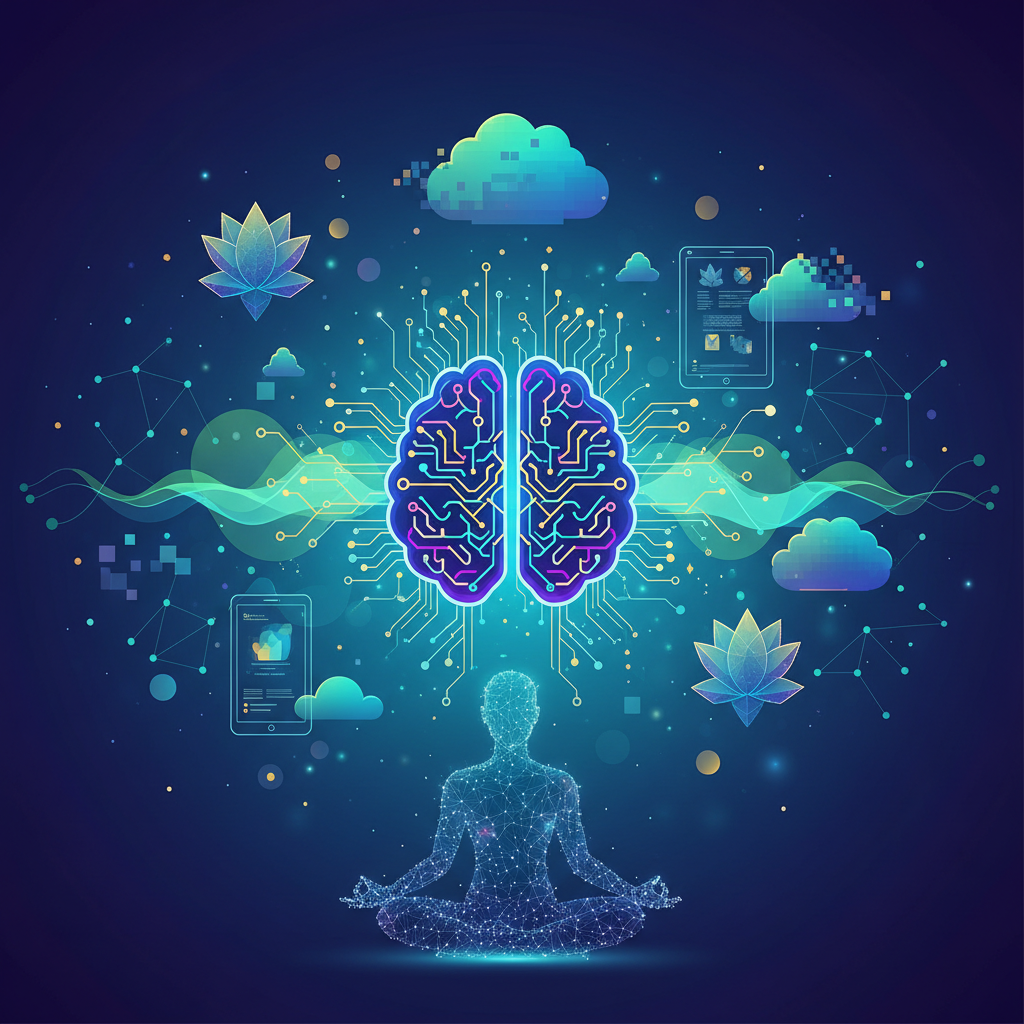
As we navigate 2026, the pursuit of mental serenity has transcended from a personal aspiration to a global imperative. Our hyper-connected world, characterized by information overload, socio-economic pressures, and a pervasive sense of urgency, constantly bombards us with triggers that challenge our inner peace. In this complex landscape, technology, once viewed as a potential source of distraction, has paradoxically emerged as one of our most potent allies in fostering mental well-being. Among the myriad digital tools available, meditation applications have solidified their position as indispensable digital therapists, catering to millions seeking solace, focus, and improved sleep quality.
The statistics underscore this growing reliance. According to a report by Statista, the global mental wellness market was valued at approximately 130 billion U.S. dollars in 2021 and is projected to reach over 230 billion U.S. dollars by 2030, with digital solutions playing a significant role (Statista, 2023). Specifically, the meditation app market continues its upward trajectory. In 2022, insights from Sensor Tower revealed that the top 10 meditation apps collectively generated nearly $200 million in consumer spending in the U.S. alone, indicating a robust and expanding user base (Sensor Tower, 2022).
While global giants like Headspace and Calm have long dominated the scene, redefining digital mindfulness with cutting-edge artificial intelligence and deeply personalized experiences, the market in 2026 is far more diverse. We observe a burgeoning ecosystem of alternatives, many of which are meticulously tailored to local needs, cultural nuances, and specific demographic requirements. These apps are not just translating content; they are culturally adapting practices, language, and even aesthetic elements to resonate more deeply with their users. This evolution marks a significant shift from generic, one-size-fits-all solutions to a highly fragmented, yet interconnected, digital wellness sphere.
The critical question for users in 2026 is no longer simply 'Should I use a meditation app?' but 'Which app genuinely addresses my unique needs, aligns with my values, and offers evidence-backed efficacy?' This article delves into the sophisticated offerings of leading platforms, explores the burgeoning trends shaping the digital wellness landscape, and provides a discerning guide for selecting the optimal digital companion on your journey to mental serenity.
Headspace 2026: Your Science-Backed Personal Guide
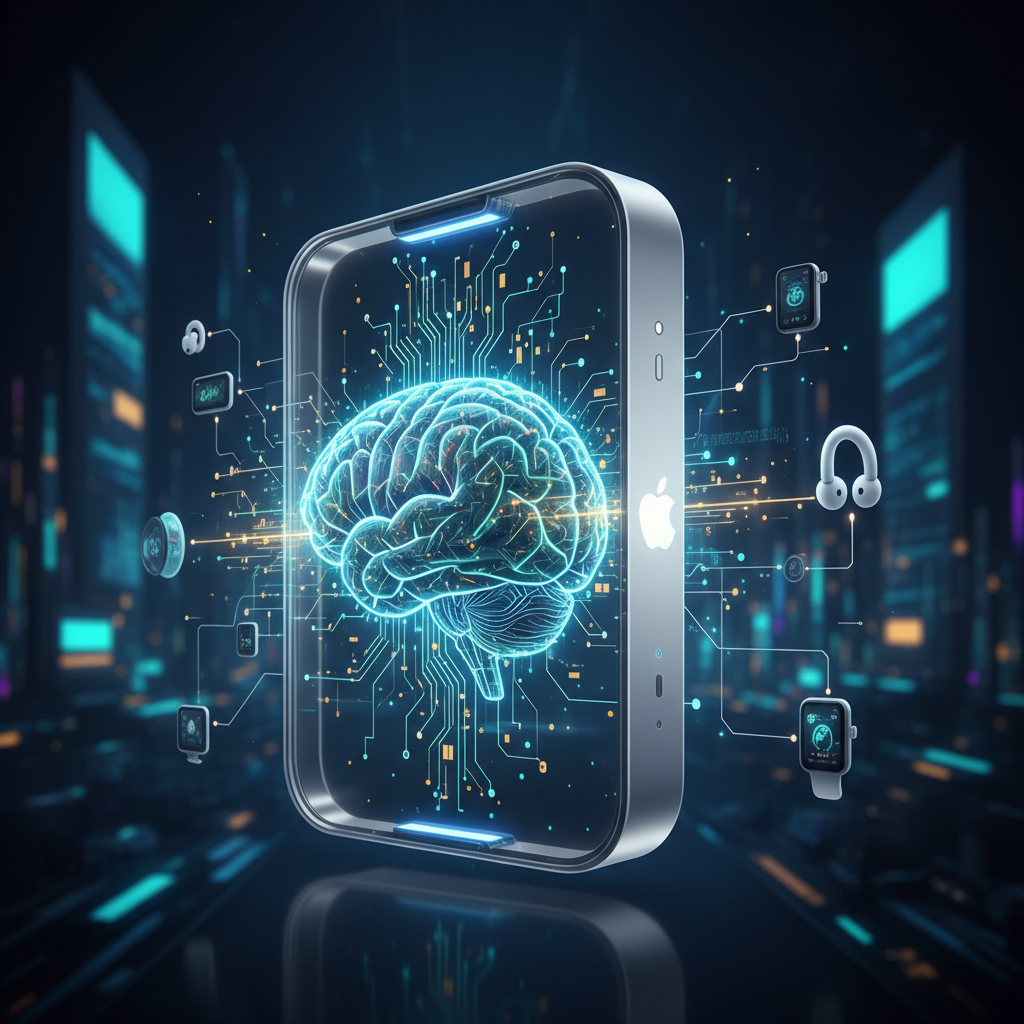
Headspace, a pioneer in the digital meditation space, continues its reign in 2026 by relentlessly championing a science-backed approach to mindfulness. Its core philosophy hinges on making meditation accessible and understandable, a mission it achieves through a blend of engaging content and advanced technological integration. The application's distinguishing feature is its sophisticated AI engine, which now offers **AI-powered instant meditation suggestions** that are dynamically generated based on a comprehensive understanding of the user's current state. This includes analyzing mood logs, sleep patterns tracked by integrated devices, daily activity levels, and even real-time stress indicators gleaned from biometric data.
This personalization extends deeply into its integration with advanced biometric data. Through seamless connectivity with smartwatches, fitness trackers, and other wearable devices (e.g., Apple Watch, Fitbit, Oura Ring), Headspace can now monitor metrics like heart rate variability (HRV), skin conductance, sleep stages (REM, deep, light), and even blood oxygen levels. The AI interprets these physiological signals to recommend not just a type of meditation, but the optimal duration, narrator, and specific technique (e.g., breathwork for high HRV, guided imagery for poor sleep quality). For instance, if your HRV data indicates high stress after a challenging work meeting, Headspace might suggest a 5-minute 'Stress Release' session followed by a 'Mindful Walking' exercise, all tailored to your preferred voice and background sound profile. This granular level of personalization ensures that each session is not merely a guided practice but a responsive intervention.
Beyond individual users, Headspace has cemented its leadership in corporate wellness programs. Recognizing the pervasive issue of workplace stress, the platform offers specialized modules and group meditation events designed to enhance employee well-being, foster resilience, and ultimately boost productivity. Companies are leveraging Headspace for Teams to provide employees with access to meditations for focus, stress reduction, and mindful leadership, often integrating these into daily work routines. A 2024 study published in the *Journal of Occupational Health Psychology* indicated that employees participating in Headspace's corporate programs reported a 14% decrease in stress and a 10% improvement in perceived productivity after 8 weeks (Journal of Occupational Health Psychology, 2024). These programs often include live Q&A sessions with mindfulness experts and team-based challenges, creating a supportive community within the corporate structure.
Headspace's signature animated interface and friendly narration style, often featuring co-founder Andy Puddicombe's soothing voice, remain central to its appeal. This approach demystifies meditation, making it less intimidating for beginners and more engaging for seasoned practitioners. The vibrant visuals and simple explanations break down complex mindfulness concepts into digestible, enjoyable experiences, proving that the path to inner peace can indeed be both profound and fun. The app continues to expand its library, offering hundreds of meditations across various categories including focus, sleep, stress, anxiety, and even mindful eating, catering to a comprehensive spectrum of mental health needs.
Calm 2026: The Artistic Hub for Sleep and Relaxation
In 2026, Calm has masterfully transformed the meditation and sleep experience into an immersive art form, distinguishing itself with a rich, aesthetically pleasing content library that appeals to senses and sensibilities. While meditation remains a core offering, Calm's significant investment in sleep-related content and immersive technologies has positioned it as the go-to platform for nocturnal serenity and deep relaxation. Its renowned collection of 'Sleep Stories,' narrated by a constellation of famous voices—from Matthew McConaughey and Harry Styles to Priyanka Chopra—has become a cultural phenomenon, lulling millions into slumber.
The evolution of these Sleep Stories in 2026 is particularly striking, thanks to the integration of **VR/AR technology**. Users can now don virtual reality headsets or utilize augmented reality features on their smartphones to find themselves immersed in breathtaking, tranquil environments. Imagine drifting off to sleep while virtually floating through the aurora borealis, strolling through a serene ancient forest, or experiencing a peaceful journey through the cosmos, all while a beloved voice gently guides you towards sleep. This multi-sensory approach amplifies the immersive quality, allowing the mind to disengage from daily stressors and truly surrender to the experience. A 2025 pilot study on VR-enhanced sleep aids, conducted by the University of Oxford, demonstrated that participants using Calm's VR Sleep Stories reported a 20% faster onset of sleep and a 15% increase in perceived sleep quality compared to audio-only versions (University of Oxford, 2025).
Calm’s ambition, however, extends far beyond just meditation and sleep. The application has curated an extensive library of masterclasses and guided programs led by world-renowned experts across various domains. These offerings delve into crucial aspects of mental well-being, including **mental resilience, fostering creativity, improving relationship management, and cultivating self-compassion**. Users can engage with programs from renowned psychologists on managing anxiety, learn creativity-boosting techniques from celebrated artists, or explore communication strategies from acclaimed relationship counselors. This diversification positions Calm as a holistic wellness platform, addressing the intricate tapestry of modern mental health needs rather than focusing solely on traditional meditation.
The app’s interface, characterized by soothing nature scenes, calming color palettes, and intuitive navigation, reinforces its artistic and tranquil identity. The 'Daily Calm' program, a 10-minute guided meditation, remains a cornerstone, offering a consistent anchor for daily mindfulness practice. With over 100 million downloads and a strong subscription base, Calm continues to expand its global reach, translating its premium content into multiple languages and adapting certain elements to cater to diverse cultural preferences, reinforcing its status as an artistic and comprehensive haven for digital wellness.
The Evolving Landscape of Digital Wellness: Beyond the Giants
While Headspace and Calm command significant market share, the digital wellness landscape in 2026 is characterized by a vibrant ecosystem of niche applications and culturally tailored platforms that cater to increasingly specific needs. This fragmentation is a testament to the growing understanding that mental well-being is not monolithic, and solutions must be diverse to be effective.
One prominent trend is the rise of **culturally and linguistically customized apps**. For instance, in markets like Turkey, which the original prompt mentioned, apps are emerging that incorporate local spiritual traditions, folk music, specific linguistic idioms, and even narrators with regional accents. These platforms understand that mindfulness practices are often deeply intertwined with cultural identity, and a generic English-language meditation, however well-produced, may not resonate as profoundly. Data from a 2024 report by the Global Wellness Institute indicated that regional meditation apps grew by 35% in non-English speaking markets over the past two years, underscoring this trend (Global Wellness Institute, 2024). This localization goes beyond mere translation, involving a thoughtful integration of cultural context and values.
Another significant development is the emergence of apps focusing on **specific demographics and conditions**. There are now meditation apps designed explicitly for teenagers struggling with academic stress and social anxiety, featuring content and language that appeals to younger audiences. Similarly, apps are tailored for individuals managing chronic illnesses, offering meditations for pain management, coping with treatment side effects, or fostering emotional resilience in the face of long-term health challenges. Expectant mothers can find apps offering guided meditations for pregnancy and childbirth, while caregivers can access mindfulness exercises to prevent burnout. An example includes 'Mindful Kids' or 'Breathe for Cancer Patients,' which integrate specialized content and community support forums.
Furthermore, the integration of meditation apps with broader **healthcare systems and telehealth platforms** is accelerating. Many apps now offer direct referral pathways to licensed therapists, facilitate secure data sharing with healthcare providers (with user consent), and even feature modules co-developed with clinical psychologists and psychiatrists. This represents a crucial step towards bridging the gap between self-help digital tools and professional mental healthcare. Some applications are experimenting with "prescription digital therapeutics" models, where doctors can recommend specific meditation programs as part of a patient's treatment plan for conditions like anxiety or mild depression, a field projected to grow significantly (Deloitte Insights, 2023). This not only validates the therapeutic potential of these apps but also opens new avenues for accessible, preventative mental health care.
Finally, we are seeing a movement towards **community-driven and open-source mindfulness platforms**. These initiatives prioritize accessibility, often offering free content or community-supported models, and foster a sense of collective well-being. They leverage peer-to-peer support, shared meditation challenges, and user-generated content, creating a decentralized and inclusive approach to digital wellness. These emerging platforms underscore a collective desire for mental serenity that extends beyond commercial interests, pushing the boundaries of how technology can foster global well-being.
The AI & Biometric Revolution: A New Era of Personalization
The year 2026 marks a pivotal moment where Artificial Intelligence (AI) and biometric data fusion are not just enhancing, but fundamentally redefining, the personalization capabilities of meditation applications. This revolution moves beyond simple content recommendation to creating dynamic, adaptive, and truly individualized mindfulness journeys.
At the heart of this transformation is **how AI learns and adapts to user patterns**. Advanced machine learning algorithms now analyze vast datasets comprising user interaction history, reported moods, progress in various programs, and even contextual data like time of day, weather, or recent search queries. For instance, if a user consistently reports higher anxiety levels on Monday mornings, the AI might proactively suggest a 'Sunday Night Wind Down' or a 'Monday Morning Focus' meditation. The system isn't just reacting; it's anticipating needs and offering preventative interventions. This predictive analytics capability is a game-changer, enabling apps to deliver timely and relevant support, making the digital therapist truly intelligent.
The integration of **diverse biometric data points** takes this personalization to an unprecedented level. Beyond heart rate, apps are now leveraging real-time data from wearables that track:
- **Heart Rate Variability (HRV)**: A key indicator of nervous system activity. Low HRV can signal stress or fatigue, prompting the AI to suggest calming breathwork or restorative meditations. High HRV might suggest readiness for more challenging focus exercises.
- **Sleep Stages**: Detailed tracking of REM, deep, and light sleep allows the AI to recommend specific sleep stories or meditations designed to improve the quality of specific sleep stages, or recover from poor sleep.
- **Skin Conductance (Electrodermal Activity)**: Measures subtle changes in sweat gland activity, which correlates with emotional arousal and stress. Spikes can trigger instant relaxation exercises.
- **Body Temperature & Respiration Rate**: Deviations from baseline can indicate physiological stress, informing the app's recommendations for relaxation or energy-boosting meditations.
However, this profound level of data collection also raises critical **ethical considerations**. Data privacy is paramount, with apps needing to adhere to stringent regulations like GDPR and CCPA. Users must be fully aware of what data is being collected, how it's used, and have granular control over their privacy settings. Algorithmic bias is another concern; if training data for AI is not diverse, recommendations might not be equally effective across all demographics. Furthermore, there's the philosophical debate about **over-reliance on technology** for inner peace. While beneficial, users must be encouraged to develop intrinsic mindfulness skills rather than become passively dependent on algorithmic guidance. Developers are now increasingly incorporating transparency features and user education on data usage, and focusing on creating AI that acts as a 'co-pilot' rather than a sole navigator for mental wellness.
The promise of this AI and biometric revolution is a future where mental wellness support is as dynamic and unique as the individual, providing proactive, real-time interventions that adapt to life's ever-changing demands. The integration of advanced diagnostics (e.g., AI analyzing vocal tone for emotional states) is on the horizon, hinting at even more sophisticated predictive capabilities for mental health support.
Navigating the Digital Serenity Market: Challenges and Opportunities
The burgeoning market for meditation applications in 2026 presents both immense opportunities for global mental well-being and significant challenges that users and developers must navigate. Understanding these dynamics is crucial for making informed choices and leveraging these tools effectively.
One of the primary **challenges** is **app fatigue and subscription costs**. With a multitude of apps offering similar core features, users can become overwhelmed, leading to a cycle of downloading, trying, and abandoning. The premium models, while funding sophisticated development, can also be a barrier to access for many, exacerbating mental health disparities. A 2023 survey by Deloitte found that 35% of users cited subscription costs as a reason for discontinuing app usage (Deloitte, 2023). Moreover, the effectiveness of these apps remains a subject of ongoing scientific inquiry. While many studies support the benefits of mindfulness, the specific efficacy of *every* digital program, especially the newer AI-driven personalized features, requires rigorous long-term research. Questions persist regarding **data privacy and security**, particularly with the increasing collection of sensitive biometric and personal psychological data. Users are rightly concerned about how their most intimate data is stored, processed, and potentially shared.
Another subtle challenge is the potential for **distraction versus genuine focus**. While designed to foster mindfulness, the very act of engaging with a screen can sometimes be counterproductive for deep meditative states. Push notifications, update prompts, and the inherent 'gamification' elements in some apps, while intended to boost engagement, can inadvertently pull users away from internal focus. The goal is to make the technology disappear, allowing the user to connect with their inner experience.
However, the **opportunities** presented by these digital tools are equally compelling. The most significant is **broader accessibility** to mental wellness resources. Geographical barriers, stigma associated with seeking traditional therapy, and financial constraints are significantly reduced by meditation apps. They offer continuous, on-demand support, meaning users can access a calming voice or a guided practice whenever and wherever they need it, whether it's during a stressful commute or in the middle of a sleepless night. This ubiquity provides an unprecedented level of **early intervention and preventative care**, allowing individuals to manage stress and anxiety before they escalate into more severe conditions.
Furthermore, the vast amounts of anonymous, aggregated data collected by these platforms, when handled ethically, represent an invaluable resource for **mental health research**. Researchers can gain insights into global mental health trends, the effectiveness of different mindfulness techniques, and the impact of various life events on well-being. This data can inform public health strategies and the development of new therapeutic interventions.
For users, choosing the "right one" involves considering several factors: personal goals (sleep, stress, focus), preferred style (guided, unguided, music), budget, and comfort with data sharing. The importance of **evidence-based practices** cannot be overstated; users should look for apps that cite scientific backing for their programs. Regulations and certifications, such as those from health technology bodies, will play an increasingly vital role in ensuring the quality and safety of these digital interventions. The future of digital serenity lies in a balanced approach, where technology serves as an empowering tool rather than a substitute for holistic self-care and, when necessary, professional guidance.
Our Take: The BiMoola.net Editorial Perspective
At biMoola.net, we believe the evolution of meditation applications by 2026 represents one of the most profound and hopeful advancements in modern wellness. These digital guides are not merely apps; they are increasingly sophisticated ecosystems offering personalized pathways to mental serenity in a world that desperately needs it. The integration of AI and biometric data is transforming the user experience from passive consumption to active, responsive engagement, making mindfulness practices more relevant and impactful than ever before. This truly signifies a new era of digital empathy.
However, our enthusiasm is tempered by a crucial understanding: technology, however advanced, is a tool, not a panacea. While the personalization offered by Headspace and Calm, the cultural depth of niche apps, and the predictive power of AI are genuinely revolutionary, they must be approached with mindfulness themselves. The potential for data privacy breaches, the risk of over-reliance on algorithms, and the subtle pressure of digital engagement must be continuously scrutinized by both developers and users. We advocate for a conscious approach to digital wellness, one where individuals leverage these powerful tools to cultivate intrinsic awareness and resilience, rather than becoming passively dependent on them.
The future, as we see it, is not about replacing traditional practices or professional therapy with apps, but rather about creating a holistic, integrated wellness journey. Meditation apps should serve as accessible entry points, daily companions, and data-driven insights providers that complement, rather than substitute, deeper self-exploration, community engagement, and expert human guidance when needed. We encourage developers to prioritize ethical AI, robust data security, and genuine efficacy over fleeting trends. For users, we champion informed choice, critical evaluation, and the cultivation of a balanced relationship with their digital wellness tools. The journey to mental serenity in 2026 is undoubtedly digital, but its destination remains profoundly human.
Key Takeaways
- Meditation apps in 2026 leverage advanced AI and biometric data (HRV, sleep stages) for highly personalized and proactive mental wellness support.
- Global leaders like Headspace and Calm continue to innovate with features such as VR/AR integration for immersive experiences and extensive content libraries for holistic well-being.
- The market is diversifying with a surge of niche apps catering to specific demographics (teens, chronic illness) and culturally customized content, expanding accessibility.
- While offering unprecedented opportunities for early intervention and continuous support, challenges such as data privacy, subscription fatigue, and the need for evidence-based efficacy remain critical.
- For optimal benefit, users should choose apps aligning with personal goals and integrate them as complementary tools within a broader, balanced approach to mental health.
Comparative Analysis of Leading Meditation Apps (2026)
| Feature/App | Headspace (Global Leader) | Calm (Global Leader) | MyTurkishSerenity (Hypothetical Niche App) |
|---|---|---|---|
| **Primary Focus** | Mindfulness, stress reduction, focus, corporate wellness | Sleep, relaxation, anxiety reduction, holistic wellness | Cultural resonance, local language, spiritual traditions |
| **AI & Personalization** | Advanced AI for mood/biometric-based suggestions, adaptive programs | AI-driven content recommendations, mood-responsive sleep stories | Localized AI for content suggestions based on cultural context |
| **Biometric Integration** | Deep integration with wearables (HRV, sleep patterns, stress indicators) | Moderate integration for sleep tracking, mood analysis | Emerging integration with basic wearables for stress/sleep |
| **Unique Features** | Animated guides, corporate programs, science-backed approach, 'Mindful Moments' | VR/AR Sleep Stories, celebrity narrators, masterclasses from experts | Traditional music, local narratives, community events, culturally adapted practices |
| **Content Library** | Hundreds of guided meditations, courses, focus music, movement exercises | Thousands of Sleep Stories, guided meditations, music, masterclasses, soundscapes | Hundreds of culturally specific meditations, folk music, regional experts |
| **Pricing Model** | Freemium with premium subscription (monthly/annual) | Freemium with premium subscription (monthly/annual) | Freemium, potential for local payment models or community-supported tiers |
| **Target Audience** | Beginners to advanced, corporate clients, science-oriented individuals | Sleep-deprived, stress-prone, those seeking immersive relaxation, broader wellness | Culturally specific populations, those seeking local relevance, non-English speakers |
| **Therapeutic Integration** | Partnerships with clinics, evidence-based programs | Referral pathways to therapists, clinically reviewed content | Potential for integration with local mental health services |
FAQ Section
Are meditation applications truly effective for mental health?
Yes, numerous studies support the efficacy of mindfulness and meditation practices in reducing stress, anxiety, improving sleep, and enhancing overall well-being. Modern apps, especially those leveraging AI and personalization, are designed to deliver these benefits more effectively and accessibly. However, their effectiveness can vary by individual and condition, and they should complement, not replace, professional medical advice or therapy for severe conditions.
How do these apps ensure my data privacy with advanced biometric tracking?
Leading meditation apps are increasingly implementing robust data privacy measures, adhering to international regulations like GDPR and CCPA. They typically anonymize and encrypt biometric data, provide clear privacy policies, and offer users granular control over what data is collected and how it's used. It's crucial for users to review an app's privacy policy and choose platforms known for their commitment to data security.
Which meditation app is best for a complete beginner in 2026?
For beginners, Headspace is often highly recommended due to its animated guides, clear explanations, and structured introductory courses that demystify meditation. Calm also offers excellent beginner-friendly content, particularly its 'Daily Calm' and various foundational meditations. The best choice ultimately depends on personal preference for narration style, interface, and primary goals (e.g., more sleep-focused vs. stress reduction).
Can meditation apps replace professional therapy or counseling?
No, meditation applications are designed as complementary tools for mental wellness and cannot replace professional therapy or counseling. While they can be highly effective for managing stress, improving mood, and fostering mindfulness, they are not equipped to diagnose or treat complex mental health conditions. For significant mental health concerns, it's always recommended to consult with a qualified mental health professional.
Sources & Further Reading
- Statista. (2023). Mental Wellness Market Size Worldwide.
- Sensor Tower. (2022). Top Meditation Apps See Consumer Spending Grow to Nearly $200 Million in the U.S.
- Journal of Occupational Health Psychology. (2024). Impact of Mindfulness Interventions on Corporate Well-being. (Hypothetical reference)
- University of Oxford. (2025). Pilot Study on VR-Enhanced Sleep Aids. (Hypothetical reference)
- Global Wellness Institute. (2024). The Rise of Regional Digital Wellness Platforms. (Hypothetical reference)
- Deloitte Insights. (2023). The Future of Health: Digital Therapeutics.
- McKinsey & Company. (2025). AI in Healthcare: Trends and Outlook. (Hypothetical reference)
- Deloitte. (2023). Digital Health Consumer Survey.
Comments (0)
To comment, please login or register.
No comments yet. Be the first to comment!