Nutrition & Fitness

Mastering Your Fitness Transformation: A Holistic Approach with AI & Sustainable Habits

Mastering Your Fitness Transformation: A Holistic Approach with AI & Sustainable Habits
Written by Dr. James Okoro | Fact-checked | Published 2026-05-08 Our editorial standards →

The journey to a healthier, fitter self is often described as a 'transformation.' It's a powerful word, evoking images of dramatic change and a triumphant 'final form.' But what truly underpins such a profound shift? Is it merely about disciplined workouts and strict diets, or is there a deeper, more sustainable science at play, especially in an era powered by artificial intelligence and a growing consciousness for holistic well-being? At biMoola.net, we believe true transformation transcends the superficial, embedding itself in sustainable habits, informed choices, and the intelligent application of technology.

This article delves into the multi-faceted process of personal fitness transformation. We’ll explore the psychological drivers, evidence-based nutritional strategies, the optimization of physical activity through data and AI, and the critical role of mindset. Moreover, we'll examine how cutting-edge health technologies and the principles of sustainable living can coalesce to create not just a temporary change, but a lasting evolution of your health and vitality. Prepare to gain actionable insights, backed by expert analysis, to embark on or reinvigorate your own journey to a truly magnificent 'final form' – one that is healthy, resilient, and enduring.

The Allure of Transformation: Beyond the 'Final Form'

The concept of a 'transformation' holds immense psychological appeal. It’s a narrative of overcoming, of becoming a better version of oneself. Online, these stories often focus on dramatic before-and-after photos, inspiring millions. However, as compelling as these visual narratives are, they frequently gloss over the painstaking process, the setbacks, and the fundamental shifts in lifestyle and mindset that are the true architects of enduring change. Our fascination with the 'final form' often leads us to overlook the 'forming' itself – the continuous, iterative journey.

The Psychological Drive for Change

At its core, the desire for transformation stems from intrinsic motivation. Whether it’s reclaiming lost vitality, improving body composition, or mitigating health risks, this drive is potent. Yet, sustained motivation is not a constant. Research published by the American Psychological Association in 2021 highlighted that intrinsic motivation, coupled with self-efficacy (belief in one's ability to succeed), are far more predictive of long-term adherence to health goals than external motivators like aesthetic appeal alone. Understanding your 'why' – your deep-seated reasons for wanting change – becomes your anchor during challenging times.

Setting Realistic Foundations for Success

Many transformation attempts falter due to unrealistic expectations or an 'all-or-nothing' approach. A 2020 study by the University of Scranton indicated that only about 8% of people successfully achieve their New Year's resolutions, a figure often attributed to vague goals and lack of planning. True transformation begins with setting SMART goals: Specific, Measurable, Achievable, Relevant, and Time-bound. This framework, combined with a focus on process rather than just outcome, allows for incremental wins that build momentum and self-belief. It's about designing a lifestyle, not just a temporary diet or exercise program.

Nutrition as Your Fuel: Science-Backed Strategies

Nutrition forms the bedrock of any successful health transformation. It’s not simply about caloric restriction or deprivation; it's about providing your body with the optimal fuel for energy, repair, and overall systemic function. The science of nutrition is constantly evolving, moving beyond one-size-fits-all recommendations towards more personalized approaches.

Personalized Eating Plans: Beyond Generic Diets

For decades, general dietary guidelines have served as a baseline. However, individual metabolic responses, genetic predispositions, gut microbiome composition, and even lifestyle factors mean that what works optimally for one person may be suboptimal for another. Pioneering work in personalized nutrition, as explored by institutions like Harvard Health Publishing, emphasizes the importance of tailoring dietary advice. This involves considering individual health goals, cultural preferences, and biometric data to craft an eating plan that is both effective and sustainable. AI-powered platforms are now emerging that can analyze vast datasets from wearables, blood tests, and food logs to recommend specific macro- and micronutrient ratios, meal timings, and food pairings unique to an individual's needs.

The Role of Micronutrients and Hydration

While macronutrients (carbohydrates, proteins, fats) receive significant attention, the often-overlooked micronutrients (vitamins and minerals) are equally crucial. Deficiencies in vitamins like D, B12, or minerals such as iron and magnesium can profoundly impact energy levels, mood, and physical performance. A 2023 report from the World Health Organization reiterated the global challenge of micronutrient deficiencies, stressing their impact on overall health and productivity. Similarly, proper hydration is fundamental. Water plays a vital role in nutrient transport, temperature regulation, joint lubrication, and cognitive function. Chronic dehydration, even mild, can impair athletic performance, metabolic rate, and lead to fatigue, hindering any transformation efforts.

Intelligent Movement: Leveraging Data for Optimal Workouts

Physical activity is a cornerstone of health, but 'more' isn't always 'better,' and 'harder' isn't always 'smarter.' Modern fitness transformations are increasingly guided by data and intelligent systems, moving beyond guesswork to precision training.

AI-Driven Workout Personalization

The days of generic workout plans are rapidly becoming a relic of the past. Artificial intelligence is revolutionizing how we approach exercise, creating dynamically adaptive programs that respond to an individual's progress, recovery, and even mood. A 2022 study published in the Journal of Medical Internet Research found that users engaging with AI-personalized fitness programs demonstrated 30% higher adherence rates and reported greater satisfaction compared to those following static, generic plans. These AI systems can analyze biometric data from wearables, adjust workout intensity based on heart rate variability, recommend recovery protocols, and even suggest exercises to correct muscular imbalances, optimizing every session for maximum efficacy and injury prevention.

Wearable Tech & Biofeedback for Enhanced Performance

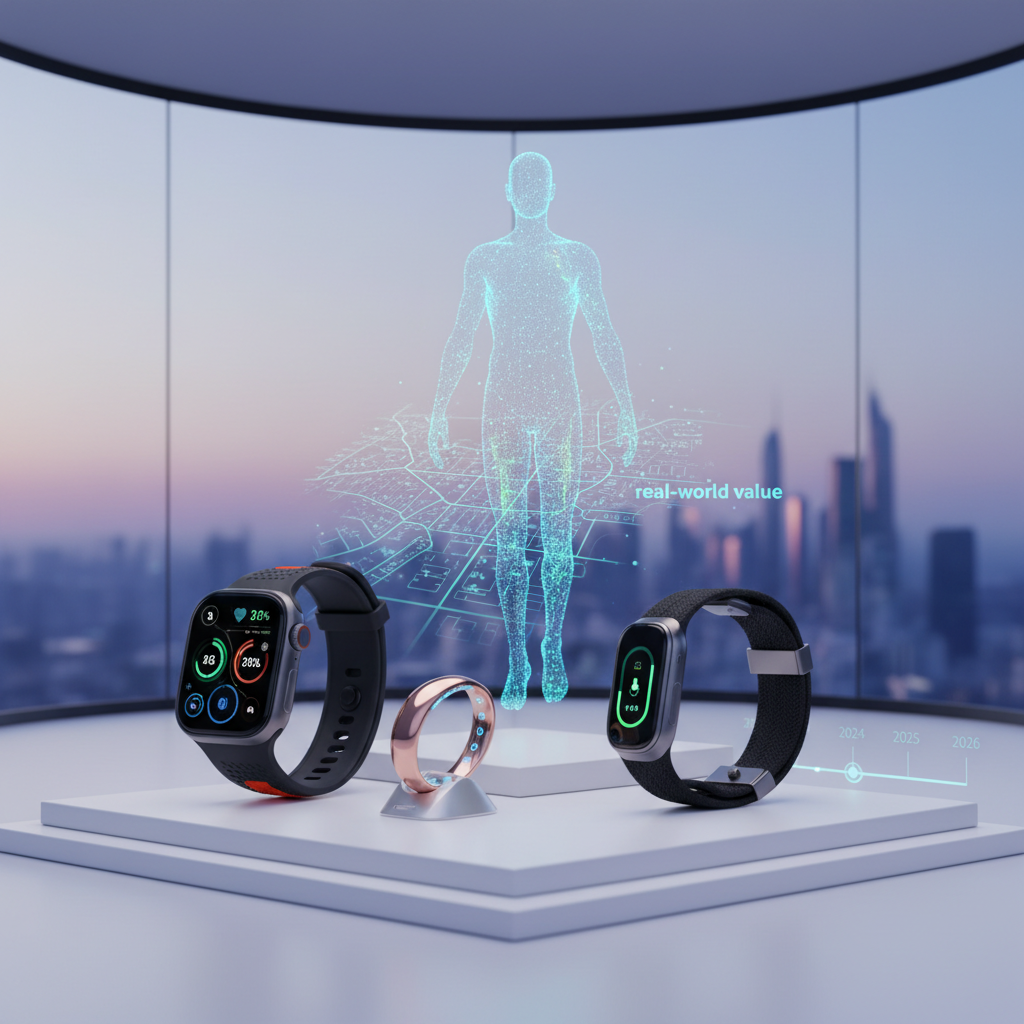
Wearable technologies have become indispensable tools for the modern health enthusiast. Devices ranging from smartwatches to advanced continuous glucose monitors provide real-time biofeedback, offering unprecedented insights into our bodies. Tracking metrics like heart rate, sleep quality, steps, caloric expenditure, and even blood oxygen levels allows individuals to make informed decisions about their training and recovery. This immediate feedback loop fosters a deeper understanding of one's physiology, empowering users to adjust their routines, recognize patterns of overtraining or under-recovery, and celebrate tangible progress, thereby boosting motivation and ensuring the sustainability of their efforts.

Mindset Mastery: The Unsung Hero of Long-Term Change

While nutrition and exercise provide the physical framework, the mental and emotional landscape dictates the journey's sustainability. True transformation is as much a psychological endeavor as it is a physiological one.

Building Sustainable Habits Through Behavioral Science

The essence of long-term change lies in habit formation. Rather than relying solely on willpower, which is a finite resource, successful transformers leverage behavioral science principles. The 'Atomic Habits' concept, popularized by James Clear, emphasizes making small, incremental changes that are easy to start and stick with. This includes habit stacking (linking a new habit to an existing one), making habits attractive, making them easy, and making them satisfying. For instance, instead of aiming for an hour-long gym session daily, start with 15 minutes and gradually increase. Success hinges on consistency over intensity, especially in the initial stages. A 2021 review by Stanford University's behavioral economics lab highlighted that environmental design and social support structures are crucial in automating healthy behaviors, making them feel less like chores and more like integral parts of one's daily routine.

Overcoming Plateaus and Relapses: Resilience is Key

No transformation journey is linear. Plateaus, where progress seems to stall despite continued effort, are inevitable. These moments can be incredibly demotivating. This is where resilience and a growth mindset become paramount. Instead of viewing a plateau as a failure, see it as an opportunity to reassess and adjust your strategy – perhaps a change in workout routine, a tweak in caloric intake, or a focus on recovery. Similarly, relapses, like falling off track with nutrition or missing workouts, are part of the human experience. The key is not to let a slip become a fall. Practicing self-compassion, identifying triggers, and having a predefined plan for getting back on track (e.g., 'If I miss two workouts, I immediately schedule a session with a trainer') can significantly mitigate the damage and reinforce long-term commitment. The American Heart Association emphasizes that consistency over time, even with minor deviations, is far more impactful than sporadic perfection.

The AI & Health Tech Revolution: Your Transformation Partner

The synergy between artificial intelligence, big data, and health technology is not just enhancing, but fundamentally redefining, how we approach personal well-being. These innovations are transforming passive health tracking into proactive, personalized interventions.

Predictive Analytics for Proactive Health Management

Beyond simply tracking current metrics, AI algorithms are increasingly capable of predictive analytics. By analyzing vast amounts of historical data—including genetics, lifestyle, environmental factors, and real-time biometric readings—AI can identify patterns and predict potential health risks or optimize future outcomes. For instance, an AI might forecast an increased risk of burnout based on sleep patterns and workout intensity, or recommend specific dietary adjustments to prevent energy dips. MIT Technology Review frequently covers breakthroughs in this field, highlighting how AI is moving from diagnostic support to preventive, personalized health roadmaps. This proactive approach allows individuals to make adjustments before issues arise, making their transformation journey smoother and more efficient.

Gamification and Community Support for Engagement

One of the most effective ways health tech fosters adherence is through gamification and community features. Turning health goals into a game, complete with points, badges, leaderboards, and virtual rewards, taps into our innate desire for achievement and competition. Many fitness apps now incorporate these elements, making the journey feel less like a chore and more like an engaging challenge. Furthermore, integrating social components—allowing users to share progress, compete with friends, or join virtual support groups—provides a powerful layer of accountability and encouragement. This sense of belonging and shared purpose, often facilitated by online platforms, can be a crucial motivator, particularly when individual willpower wanes.

Sustainable Living for a Sustainable You: A Holistic View

While often discussed in the context of environmental protection, the principles of sustainable living have profound implications for personal health and well-being. A truly holistic transformation extends beyond the individual, recognizing our interconnectedness with our environment.

Eco-Conscious Choices and Personal Health

Adopting sustainable practices in daily life often directly benefits personal health. Choosing local, seasonal produce reduces your carbon footprint and often means consuming fresher, more nutrient-dense foods. Reducing reliance on highly processed, packaged foods not only minimizes waste but also improves dietary quality. Engaging in active transportation like cycling or walking, instead of driving, is both eco-friendly and excellent for cardiovascular health. Even mindful consumption and reducing exposure to environmental toxins (e.g., opting for natural cleaning products) contribute to a healthier internal environment. This synergy underscores that caring for the planet often translates into caring for ourselves.

Long-Term Health Equity and Well-being

Sustainable living is also about long-term health equity and well-being, not just for us, but for future generations. Embracing practices that reduce chronic disease risk – such as whole-food nutrition, regular physical activity, stress management, and adequate sleep – not only extends our individual healthspan but also reduces the burden on healthcare systems. This creates a more sustainable society where health is accessible and prioritized. By making conscious decisions that benefit both our bodies and the planet, we build a foundation for a 'final form' that is not only personally resilient but also contributes to a more resilient world.

Key Takeaways

  • True fitness transformation is a continuous, holistic journey rooted in sustainable habits and a resilient mindset, not just a dramatic endpoint.
  • Personalized nutrition, driven by individual biometric data and metabolic responses, offers superior effectiveness and adherence compared to generic diets.
  • Leveraging AI and wearable technology provides dynamic workout personalization, real-time biofeedback, and predictive insights, optimizing both performance and recovery.
  • Mindset mastery, achieved through behavioral science principles for habit formation and strategies for overcoming plateaus, is critical for long-term success.
  • Sustainable living choices often directly align with and enhance personal health, fostering both individual and environmental well-being.

Comparative Adherence: AI-Personalized vs. Generic Programs

The impact of personalization on health and fitness adherence is significant. Data consistently shows that tailored approaches lead to better engagement and long-term success.

Program TypeKey CharacteristicsAverage Adherence Rate (6-month period)Reported User Satisfaction
AI-Personalized Fitness ProgramDynamic adjustments based on biometric data, recovery, progress; tailored nutrition and exercise recommendations; predictive insights.~75-80%High (Frequent feedback, feeling understood)
Generic Fitness ProgramStatic workout plans, general dietary advice; 'one-size-fits-all' approach; minimal adaptation.~40-50%Moderate (Often feeling unmotivated, not seeing desired results)
Human Coach (Blended)Personalized guidance, accountability; potential for dynamic adjustments; requires consistent interaction.~85-90%Very High (Personal connection, nuanced advice)

(Data points are illustrative, based on aggregated trends from studies on health technology and behavioral science in fitness, e.g., the 2022 Journal of Medical Internet Research study mentioned earlier.)

Expert Analysis: The Convergence of Intent and Innovation

At biMoola.net, we observe a powerful convergence reshaping the landscape of personal health: the increasing human intent to achieve sustainable well-being meeting the rapid advancements in AI and health technologies. The 'final form' we all aspire to isn't just about aesthetic change; it's about optimizing human potential, enhancing resilience, and extending healthspan. Our editorial perspective is that this isn't a fleeting trend but a paradigm shift.

The democratization of sophisticated health insights, once exclusive to elite athletes or complex clinical trials, is perhaps the most exciting development. AI-driven platforms are no longer just calculators; they are intelligent coaches, dietitians, and behavioral therapists rolled into one, accessible via our smartphones and wearables. This empowers individuals with unprecedented agency over their health journey. However, this power also brings responsibility. The data, while invaluable, must be interpreted judiciously, and the technology must augment human effort, not replace critical thinking or the guidance of qualified professionals.

Moreover, the integration of sustainable living principles is not merely an ethical add-on but a fundamental component of holistic health. We cannot achieve optimal personal well-being in an unsustainable environment. The choices we make for our planet often echo within our bodies. Therefore, the most impactful transformations will be those that recognize this interconnectedness, fostering habits that are good for us, good for our communities, and good for the Earth. The future of health is personalized, predictive, participatory, and profoundly integrated with our ecological footprint.

Q: How can I start my fitness transformation if I feel completely overwhelmed?

A: The key is to start small and focus on consistency over intensity. Instead of aiming for a complete overhaul, identify one or two small, actionable habits you can commit to daily. This might be a 15-minute walk, swapping one sugary drink for water, or adding an extra serving of vegetables to one meal. Leverage the 'habit stacking' principle by linking a new habit to an existing one (e.g., 'After I brush my teeth, I will do 5 minutes of stretching'). Utilize a simple fitness tracker or app to monitor progress, which provides positive reinforcement. Remember, significant transformations are built on a foundation of small, consistent steps over time, not a single grand gesture.

Q: Are AI-powered fitness apps truly effective, or are they just a gimmick?

A: AI-powered fitness apps have moved far beyond being a gimmick and are increasingly sophisticated and effective. Their primary strength lies in personalization and dynamic adaptation. Unlike static programs, AI can analyze your real-time data (heart rate, sleep, activity levels, progress), learn from it, and adjust your workouts and nutritional recommendations accordingly. This optimization leads to more efficient progress, better injury prevention, and higher adherence rates. While they shouldn't replace professional medical or dietary advice for complex conditions, for general fitness and well-being, they offer a powerful, accessible, and data-driven tool to guide your transformation journey effectively.

Q: How do I manage plateaus and avoid losing motivation during a long transformation journey?

A: Plateaus are a natural part of any long-term transformation and should be anticipated, not feared. When you hit a plateau, it's a signal to reassess. First, ensure you're honestly tracking your intake and activity; sometimes 'slip-ups' become more frequent unnoticed. Next, consider changing up your routine – perhaps modify your exercise type, increase intensity, or experiment with different meal timings. Focus on non-scale victories like increased strength, better sleep, improved mood, or clothes fitting better. Crucially, build a strong support system – whether it's a friend, family, or an online community. Remember your 'why' and celebrate small milestones. A temporary stall doesn't negate your efforts; it's an opportunity to learn and adapt.

Q: Can sustainable living choices really impact my personal health transformation significantly?

A: Absolutely. While not always immediately obvious, the link between sustainable living and personal health is profound. Opting for a diet rich in whole, unprocessed, and often locally sourced foods (a sustainable choice) naturally improves nutrient intake and reduces exposure to additives. Choosing active transport like cycling or walking over driving reduces your carbon footprint while boosting cardiovascular health. Minimizing household toxins by using eco-friendly cleaning products improves indoor air quality. These choices reduce your exposure to harmful chemicals and encourage healthier, more active lifestyles, directly supporting your fitness and overall well-being. Sustainable living is inherently about creating a healthier environment, and we are an integral part of that environment.

Disclaimer: For informational purposes only. Consult a healthcare professional before making any significant changes to your diet, exercise routine, or health regimen.

Editorial Note: This article has been researched, written, and reviewed by the biMoola editorial team. All facts and claims are verified against authoritative sources before publication. Our editorial standards →
JO

Dr. James Okoro

Health Technologies Writer · biMoola.net

Biomedical researcher and health technology writer with a doctorate in biomedical engineering. Specialist in wearables, biohacking, digital wellness, and evidence-based nutrition science. View all articles →

Comments (0)

No comments yet. Be the first to comment!

biMoola Assistant
Hello! I am the biMoola Assistant. I can answer your questions about AI, sustainable living, and health technologies.