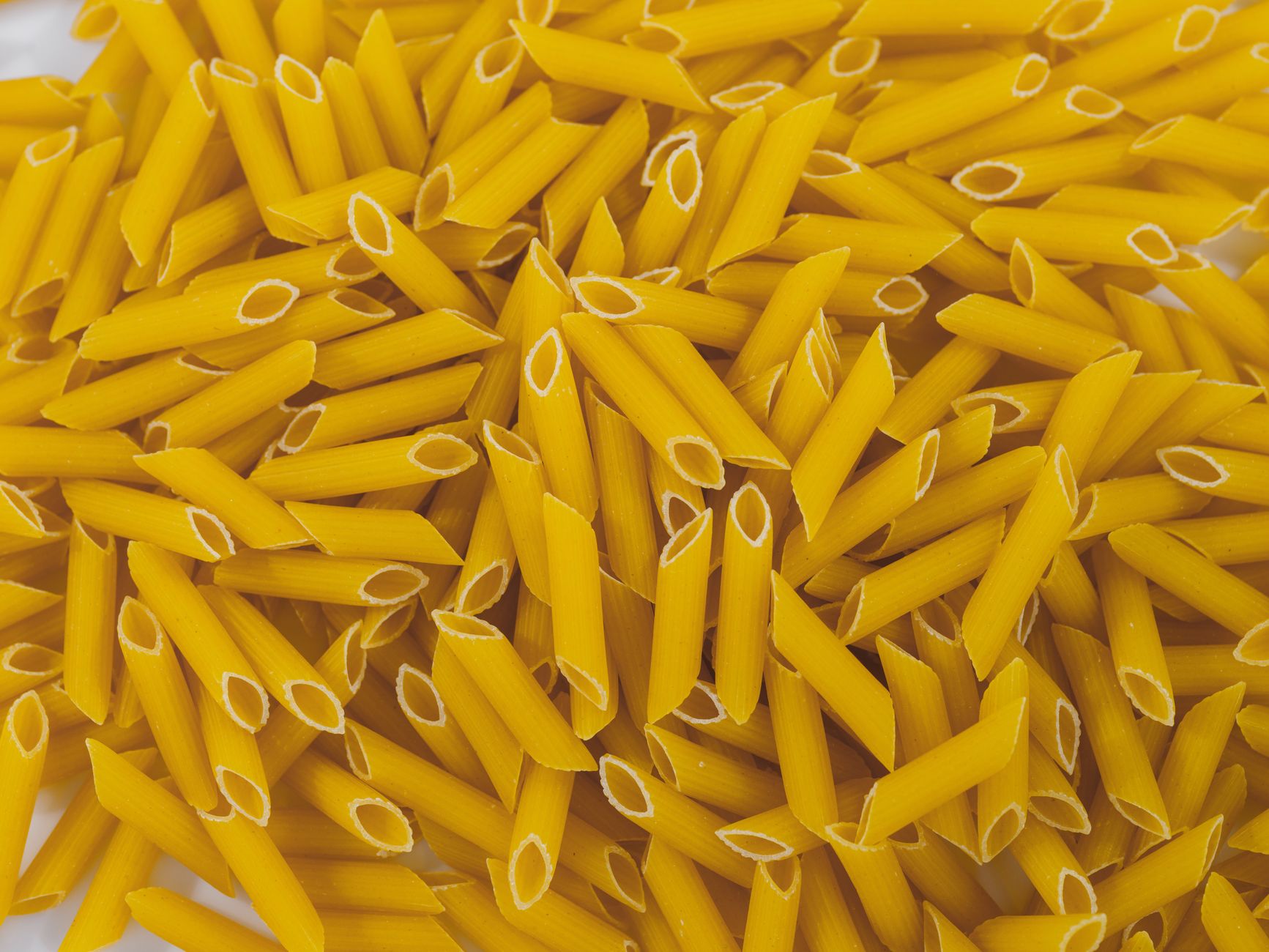
Pasta, a culinary cornerstone enjoyed across cultures, often finds itself at the center of dietary discussions, particularly concerning its impact on blood sugar levels. For many health-conscious individuals, understanding the Glycemic Index (GI) of their favorite foods is paramount. This brings us to a common query: how do high-quality, bronze-cut Italian pastas, especially when cooked al dente, factor into this equation? Is the beloved 'al dente' texture merely a matter of taste, or does it hold a significant role in determining pasta's glycemic impact?
This article will delve into the science behind the Glycemic Index, explore the characteristics of traditional pasta that influence its GI, and critically examine the 'al dente' cooking method. We'll uncover why the way you cook your pasta, alongside its type and the overall meal composition, can profoundly affect how your body processes its carbohydrates, providing you with the knowledge to make informed, delicious, and blood-sugar-friendly choices.
Understanding the Glycemic Index: A Primer on Carbs and Blood Sugar
To fully appreciate pasta's place in a balanced diet, it's essential to first grasp the concept of the Glycemic Index. The GI is a ranking system that measures how quickly a carbohydrate-containing food raises blood glucose (blood sugar) levels after consumption, compared to a reference food (usually pure glucose or white bread). Foods are ranked on a scale of 0 to 100:
- High GI (70 or more): These foods are rapidly digested and absorbed, leading to a quick and often significant rise in blood sugar. Examples include white bread, sugary cereals, and white rice.
- Medium GI (56-69): These foods cause a moderate rise in blood sugar. Examples include whole wheat bread and sweet potatoes.
- Low GI (55 or less): These foods are slowly digested and absorbed, resulting in a gradual and smaller rise in blood sugar. Examples include most vegetables, legumes, and certain fruits.
For individuals managing blood sugar, such as those with diabetes or insulin resistance, or anyone aiming for sustained energy and better appetite control, prioritizing low GI foods can be beneficial. A diet rich in low GI foods is associated with a reduced risk of chronic diseases and can aid in weight management. However, the GI value of a food isn't the whole story. The quantity of carbohydrates consumed also plays a crucial role. This is where the Glycemic Load (GL) comes into play. GL takes into account both the GI of a food and the amount of carbohydrates in a typical serving, offering a more complete picture of a meal's impact on blood sugar. While a food might have a high GI, if consumed in very small portions, its GL could be low.
The Science Behind Pasta's GI: More Than Just Refined Flour?
When we talk about traditional Italian pasta, we're primarily referring to pasta made from durum wheat semolina. Unlike common bread wheat, durum wheat has a distinct protein and starch structure that inherently contributes to a lower GI. Here's why:
1. Durum Wheat Semolina: This coarse flour is primarily made from durum wheat, which is characterized by its high protein content and strong gluten network. This robust structure helps to entrap starch granules, slowing down their digestion and absorption. The protein content also means pasta is often a better source of protein than some other refined grain products, further contributing to satiety and a slower blood sugar response.
2. Starch Structure (Amylose vs. Amylopectin): Carbohydrates are composed of different types of starches, primarily amylose and amylopectin. Amylose is a linear, tightly packed starch molecule that is more resistant to digestion, leading to a slower glucose release. Amylopectin, on the other hand, is a branched molecule that is more easily broken down, causing a quicker rise in blood sugar. Durum wheat pasta, compared to some other grain products, tends to have a favorable amylose-to-amylopectin ratio, which supports its relatively lower GI.
3. Manufacturing Process: The extrusion process used to make traditional pasta creates a dense product. High-quality pastas, often referred to as 'bronze-cut' (trafilata al bronzo), are extruded through bronze dies. While this technique is primarily known for creating a rougher, more porous surface that better holds sauce, it's also indicative of a more artisanal process that often results in a firmer, denser pasta structure. This density means the starch granules are more tightly bound within the gluten matrix, requiring more time and effort for digestive enzymes to break them down.
In contrast, many highly processed grain products made from finely milled flours and lacking this dense structure, tend to have a higher GI. Therefore, the inherent qualities of durum wheat, coupled with traditional pasta-making techniques, lay the groundwork for pasta to potentially have a lower GI than often assumed, even before considering cooking methods.
The \"Al Dente\" Advantage: How Cooking Transforms Carbohydrates
The term \"al dente\" is Italian for \"to the tooth,\" describing pasta that is firm yet tender when bitten – cooked through but still offering a slight resistance. This seemingly simple culinary preference holds significant scientific implications for pasta's glycemic impact.
When pasta is cooked, the starch granules absorb water and swell, a process known as gelatinization. As cooking continues, the starch becomes increasingly hydrated and accessible to digestive enzymes in the gut. The more gelatinized the starch, the faster it is broken down into glucose, leading to a quicker and higher blood sugar spike.
This is where the \"al dente\" advantage comes in:
- Limited Starch Gelatinization: When pasta is cooked al dente, its starch granules are only partially gelatinized. The core of the pasta remains somewhat firm, meaning not all starch has fully absorbed water and swollen. This limited gelatinization makes the starch less accessible to digestive enzymes.
- Slower Digestion and Absorption: Because the starch is less readily available for digestion, it takes longer for the body to break it down into glucose. This results in a slower, more gradual release of glucose into the bloodstream, preventing sharp peaks in blood sugar.
- Impact on GI Values: Numerous studies and research suggest that cooking pasta al dente can significantly lower its GI compared to cooking it until it's soft or mushy. For instance, white spaghetti cooked al dente can have a GI in the low to medium range (around 45-55), while overcooked spaghetti might push it into the medium to high range (60-70 or higher). This difference can be substantial for blood sugar management.
So, the traditional Italian method of cooking pasta al dente isn't just about achieving the perfect texture; it's a practical and effective way to moderate the glycemic response to this beloved carbohydrate. It highlights how culinary technique can directly influence nutritional outcomes.
Beyond Al Dente: Other Factors Influencing Pasta's Glycemic Impact
While cooking pasta al dente is a powerful strategy, it's not the only factor that dictates its overall impact on blood sugar. Several other elements can further modify the glycemic response:
1. Pasta Type and Ingredients:
- Whole Grain vs. Refined: Whole wheat pasta, made from the entire wheat kernel (bran, germ, and endosperm), contains more fiber than refined white pasta. This increased fiber content further slows down digestion, often giving whole grain pasta a lower GI than its white counterpart, even when both are cooked al dente. While traditional high-quality durum wheat pasta cooked al dente often has a respectable GI, whole grain versions can provide an additional blood sugar benefit.
- Alternative Pastas: The market now offers various pastas made from legumes (lentil, chickpea), vegetables (zucchini noodles), or ancient grains (spelt, quinoa). These often boast higher protein and fiber content, leading to a much lower GI and GL, making them excellent choices for blood sugar management.
2. Meal Composition: The Power of Pairing
Pasta is rarely eaten alone. What you pair it with can dramatically alter its overall glycemic load. A balanced meal can significantly mitigate the blood sugar spike from even higher GI foods:
- Protein: Adding lean protein sources (chicken, fish, legumes, tofu, meatballs) to your pasta meal slows stomach emptying and digestion, leading to a more sustained release of glucose.
- Healthy Fats: Olive oil, avocado, or nuts incorporated into your sauce can also slow digestion and absorption, helping to stabilize blood sugar levels.
- Fiber-Rich Vegetables: Loading your pasta dish with plenty of non-starchy vegetables (broccoli, spinach, bell peppers, tomatoes) provides ample fiber, which delays carbohydrate absorption and contributes to satiety. The fiber acts as a physical barrier, slowing access for digestive enzymes to the starch.
3. Cooling and Reheating: Resistant Starch
Interestingly, cooking pasta, cooling it, and then reheating it can further reduce its glycemic impact. The cooling process allows some of the digestible starch to convert into 'resistant starch.' Resistant starch acts like fiber in the body; it's not easily broken down by digestive enzymes in the small intestine, thus contributing fewer calories and causing a smaller rise in blood sugar. This effect is particularly noticeable with foods like potatoes, rice, and pasta.
4. Portion Size: The Importance of Glycemic Load
As mentioned earlier, Glycemic Load (GL) provides a more holistic view. Even a low GI food can significantly raise blood sugar if consumed in very large quantities. Conversely, a medium GI food in a small, well-balanced portion might have a low GL. Practicing mindful portion control is crucial for managing blood sugar, regardless of a food's individual GI value.
Making Informed Choices: Integrating Pasta into a Healthy Lifestyle
For those who love pasta but are mindful of their health and blood sugar levels, incorporating it into a balanced diet is entirely achievable with a few strategic adjustments. It's about making conscious choices rather than outright elimination.
- Prioritize Al Dente Cooking: This is perhaps the simplest and most impactful step you can take. Always follow package directions and aim for that firm-to-the-bite texture. This not only enhances the eating experience but also helps control blood sugar spikes. Avoid overcooking pasta at all costs.
- Choose Your Pasta Wisely: While traditional durum wheat semolina pasta cooked al dente is a good starting point, consider exploring whole grain pasta options for an added fiber boost and potentially even lower GI. Don't be afraid to experiment with alternative pastas made from legumes for a significant protein and fiber upgrade.
- Build Balanced Meals: Think of pasta as one component of a larger, nutritious meal. Pair it with generous servings of non-starchy vegetables (think colorful bell peppers, leafy greens, broccoli, zucchini). Incorporate a lean protein source (chicken, fish, tofu, beans, lentils) and healthy fats (olive oil, avocado) to create a meal that offers sustained energy and minimizes blood sugar fluctuations. A sauce rich in vegetables and healthy fats, rather than just cream or cheese, can make a significant difference.
- Practice Portion Control: Even with the best intentions, excessive portions can negate the benefits of low GI cooking. Be mindful of serving sizes. A general guideline for a healthy portion of cooked pasta is about ½ to 1 cup, especially if it's part of a larger, diverse meal.
- Consider Cooling and Reheating: If meal prepping, know that cooling and reheating pasta can slightly improve its glycemic profile due to resistant starch formation. This isn't a primary strategy but an interesting bonus for leftovers.
By adopting these practices, pasta can remain a joyous and nutritious part of your diet, contributing to your well-being without derailing your blood sugar management goals.
Key Takeaways
- The Glycemic Index (GI) measures how quickly food raises blood sugar; Glycemic Load (GL) considers portion size too.
- Traditional Italian pasta, made from durum wheat semolina, inherently has characteristics that contribute to a lower GI compared to some other refined grains, due to its protein and starch structure.
- Cooking pasta al dente significantly lowers its GI by limiting starch gelatinization, leading to slower digestion and a more gradual rise in blood sugar.
- Beyond al dente, factors like choosing whole grain pasta, pairing it with protein, healthy fats, and fiber-rich vegetables, and practicing portion control further reduce its glycemic impact.
- Cooling and reheating pasta can also create resistant starch, offering an additional small benefit.
- Pasta can be a healthy part of your diet when consumed mindfully and prepared strategically.
FAQ: Frequently Asked Questions
Q1: Is all pasta high GI?
A1: No, not all pasta is high GI. The glycemic index of pasta can vary significantly based on several factors. Traditional pasta made from durum wheat semolina, especially when cooked al dente, typically falls into the low to medium GI category. Whole wheat pasta, due to its higher fiber content, often has an even lower GI. The perception that all pasta is high GI often stems from comparisons with overcooked, highly refined pasta or other processed carbohydrate sources.
Q2: How much does cooking pasta al dente actually lower its GI?
A2: Research suggests that cooking pasta al dente can significantly lower its GI by 10-20 points or more compared to overcooked pasta. For example, some studies indicate white spaghetti cooked al dente might have a GI around 45-55 (low-medium), whereas the same spaghetti cooked until soft could have a GI of 60-70 or even higher (medium-high). This difference is substantial for blood sugar management, as it dictates how quickly the carbohydrates are broken down and absorbed into the bloodstream.
Q3: Are specific high-quality brands like La Molisana or Delverde inherently lower GI?
A3: While specific brands like La Molisana or Delverde are known for their high quality and traditional production methods (often bronze-cut, using 100% durum wheat semolina), their inherent GI value is primarily attributable to the type of wheat used (durum wheat) and the density of the product, rather than the brand name itself. High-quality pastas often use superior durum wheat, which has a favorable starch structure, contributing to a lower GI. However, the most critical factor for any pasta, regardless of brand, remains how it is cooked (al dente) and what it is paired with in a meal.
Conclusion
The journey through the world of pasta and its Glycemic Index reveals that this beloved staple is far more nuanced than often perceived. The initial question about high-quality, bronze-cut Italian pasta cooked al dente leads us to a fascinating interplay of ingredient science, culinary technique, and nutritional wisdom. We've learned that the inherent qualities of durum wheat semolina, combined with the strategic "al dente" cooking method, significantly contribute to a more favorable blood sugar response. Furthermore, balancing pasta meals with protein, healthy fats, and abundant fiber-rich vegetables can further optimize its glycemic impact. This comprehensive understanding empowers you to enjoy your favorite pasta dishes without guilt, transforming them into valuable components of a health-conscious and delicious diet. With informed choices, pasta truly can remain a joyful and beneficial part of your healthy living journey.
Disclaimer: This article provides general information and discussion about health and related subjects. The information provided is not medical advice, and should not be used to diagnose or treat a health problem or disease. Always consult with a qualified healthcare professional before making any decisions about your health, diet, or lifestyle.
" } ```
Comments (0)
To comment, please login or register.
No comments yet. Be the first to comment!