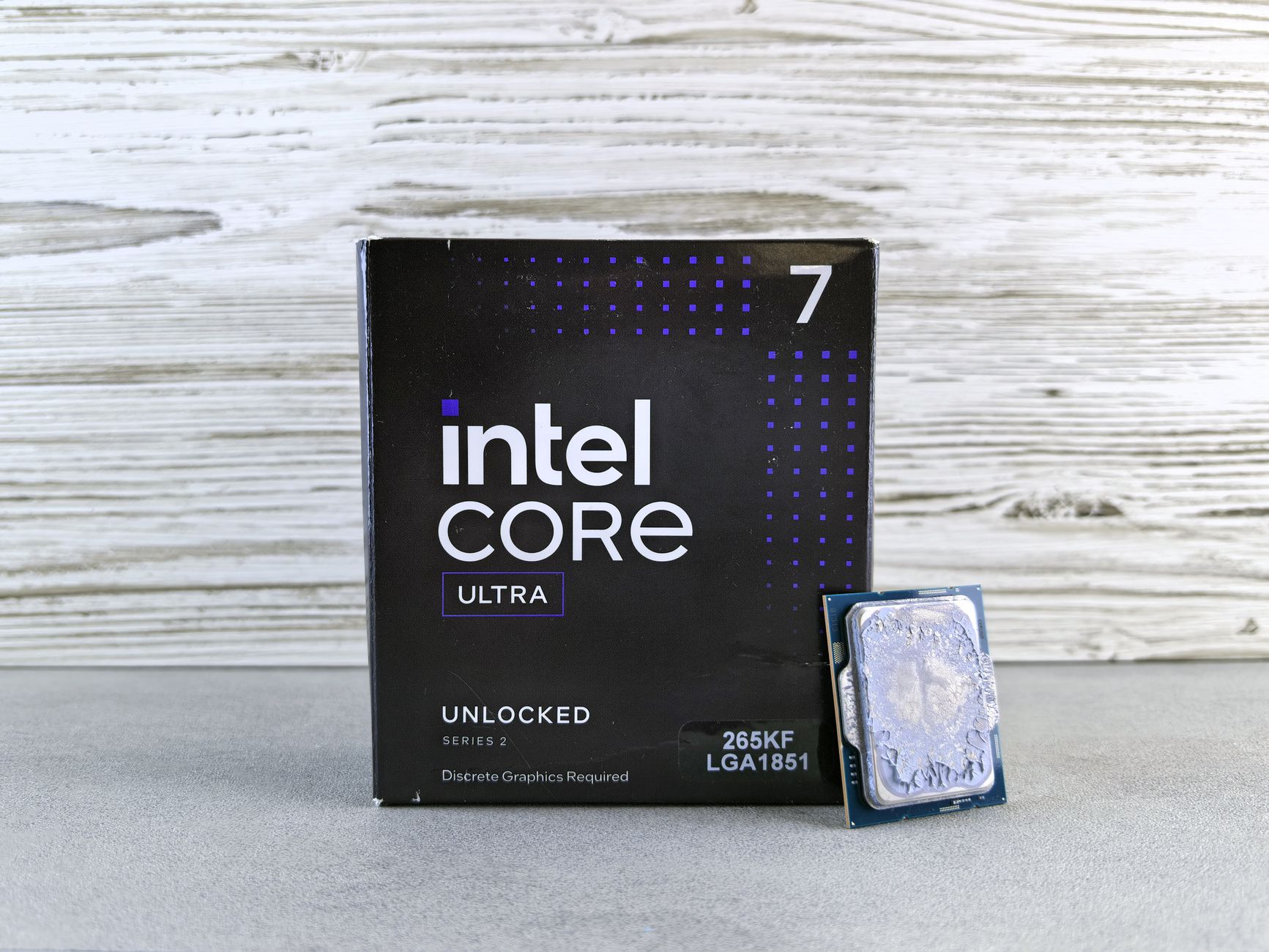
In the dynamic realm of technology, where market narratives shift with breathtaking speed, Intel Corporation recently captured global attention with a remarkable surge in its stock valuation. Fuelled by robust first-quarter results and an undeniable uptick in demand for artificial intelligence (AI) hardware, the chip giant experienced its most significant daily stock increase since 1987. For an industry observer, this isn't merely a fleeting market anomaly; it signals a potential pivot point for a company that has navigated a challenging decade and is now aggressively staking its claim in the burgeoning AI economy.
This deep dive by biMoola.net will peel back the layers of this resurgence, moving beyond the headline to dissect the intricate strategies Intel is employing. We'll explore the critical role of AI in its revitalized portfolio, analyze the intensely competitive landscape, and assess the long-term viability of its ambitious manufacturing and product roadmaps. Readers will gain a comprehensive understanding of what this 'historic rise' truly signifies for Intel, the broader semiconductor industry, and the accelerating pace of AI innovation.
The Resurgence Narrative: Decoding Intel's Latest Ascent
The recent market exuberance surrounding Intel is a stark contrast to the narrative that dominated much of the past decade. Once the undisputed titan of silicon, Intel grappled with manufacturing delays, missed opportunities in the mobile computing revolution, and faced intensifying competition from resurgent rivals. However, the first quarter of 2024 brought a renewed sense of optimism, with financial results that comfortably surpassed analyst expectations, primarily driven by growth in its data center and AI segments.
While the exact percentage of the stock jump was significant, its historical context – the largest daily gain in 37 years – underscores the market's strong reaction. This isn't just about quarterly earnings; it's about renewed confidence in CEO Pat Gelsinger's 'IDM 2.0' strategy, which emphasizes internal manufacturing prowess alongside external foundry services. The narrative is clear: Intel is not merely treading water; it's actively recalibrating its core business, with AI emerging as the gravitational center of its future growth.
The AI Imperative: Fueling the Silicon Race
The insatiable demand for artificial intelligence is reshaping the semiconductor industry, creating new battlegrounds and accelerating innovation. For Intel, a company with a rich history in processor development, AI represents both a colossal challenge and an unparalleled opportunity.
Shifting Sands: From PCs to Data Centers and Beyond
For decades, Intel's fortunes were inextricably linked to the personal computer market. While client computing remains a vital segment, the new frontier of computing power is undeniably the data center, driven by cloud infrastructure and, increasingly, AI workloads. Intel's Xeon processors have long been the workhorses of servers globally, but the computational demands of AI—particularly large language models and complex neural networks—require specialized architectures far beyond traditional CPUs.
This shift has prompted Intel to diversify its product portfolio, moving aggressively into dedicated AI accelerators. The company understands that future growth isn't just about faster general-purpose CPUs, but about providing a comprehensive suite of hardware solutions tailored for every stage of the AI pipeline, from training massive models in the cloud to inferencing at the edge.
The Gaudi Bet: A Dedicated AI Accelerator Strategy
Central to Intel's AI strategy is its Gaudi accelerator line, inherited from its 2019 acquisition of Habana Labs for approximately $2 billion. The Gaudi 2, launched in 2022, and the more recent Gaudi 3, unveiled in April 2024, are designed to directly challenge NVIDIA's dominant A100 and H100 GPUs in the AI training and inference markets. The Gaudi 3, in particular, boasts significant performance improvements, with Intel claiming up to 50% faster inference and 40% better power efficiency compared to NVIDIA's H100 for certain large language models. Intel's own benchmarks highlight these gains, aiming to lure hyperscalers and enterprises seeking high-performance, cost-effective alternatives.
This 'Gaudi bet' is crucial. It represents Intel's commitment to offering a viable alternative in a market heavily skewed towards NVIDIA's CUDA ecosystem. By providing open standards and competitive pricing, Intel aims to break the vendor lock-in and foster a more diverse AI hardware landscape. The strong demand reported for Gaudi products was a significant contributor to the optimism reflected in the recent stock surge, signaling that Intel's dedicated AI efforts are beginning to gain traction.
Navigating a Competitive Gauntlet
Intel's renewed focus on AI hardware places it squarely in one of the most fiercely competitive sectors of the technology industry. Success hinges not just on innovation, but on strategic execution against formidable adversaries.
The NVIDIA Dominance: A Formidable Challenge
NVIDIA stands as the undisputed market leader in AI GPUs, commanding an estimated 80-90% share of the data center AI chip market in 2023, according to various industry analyses including those by Gartner. Its CUDA software platform has created a powerful ecosystem that developers are deeply embedded in, making switching costs high. Intel's challenge isn't merely about matching NVIDIA's hardware performance; it's about building a compelling software stack (like its oneAPI initiative) and cultivating a developer community that can rival CUDA's ubiquity. The sheer scale of NVIDIA's installed base and continuous innovation present a monumental hurdle.
AMD's Persistent Pursuit
Advanced Micro Devices (AMD) is another formidable competitor, particularly with its Instinct MI series of accelerators. With products like the MI300X, AMD is also aggressively targeting the AI data center market, offering competitive performance and a strong CPU-GPU synergy with its EPYC processors. AMD's strategy often involves offering competitive performance at attractive price points, potentially carving out significant market share, especially in enterprise and government sectors seeking alternatives to NVIDIA.
The Rise of Custom Silicon (ASICs)
Beyond the traditional chipmakers, a significant trend is the rise of custom Application-Specific Integrated Circuits (ASICs) developed by tech giants like Google (with its Tensor Processing Units, or TPUs) and Amazon (Inferentia and Trainium chips). These companies design their own AI accelerators optimized for their specific workloads and cloud infrastructure. While Intel isn't directly competing for these internal designs, the prevalence of custom ASICs underscores a diversification of the AI hardware landscape, potentially limiting the total addressable market for merchant silicon vendors.
Strategic Pillars: Foundry Services and Advanced Manufacturing
Beyond its product strategy, Intel's future is also being shaped by its ambitious plans in semiconductor manufacturing, a critical component of its IDM 2.0 vision.
Intel Foundry Services (IFS): A Bid for Global Leadership
A cornerstone of CEO Pat Gelsinger's strategy is the revitalization and expansion of Intel Foundry Services (IFS). For decades, Intel primarily manufactured its own chips. Now, it aims to become a major contract manufacturer for other chip designers, directly competing with industry titans like TSMC and Samsung Foundry. This strategy is driven by a desire to diversify revenue streams, leverage its immense manufacturing scale, and play a pivotal role in strengthening global semiconductor supply chains. The U.S. CHIPS Act and similar initiatives in Europe are providing significant financial incentives to support domestic chip manufacturing, positioning IFS as a key player in this geopolitical and economic strategy.
The EUV Investment and Process Node Ambition
To achieve its foundry ambitions and maintain product leadership, Intel is pouring billions into advanced manufacturing technologies, most notably Extreme Ultraviolet (EUV) lithography. EUV is essential for producing the smallest, most advanced transistors, enabling denser and more powerful chips. Intel's aggressive roadmap, targeting 'five nodes in four years,' aims to reclaim process leadership by 2025 with its Intel 18A node. This involves overcoming past manufacturing stumbles and rapidly deploying cutting-edge technology. The successful execution of this roadmap is not just vital for its own chips but is paramount to attracting external foundry customers who demand state-of-the-art process technology.
Beyond the Stock Surge: Challenges and Opportunities Ahead
While the recent stock surge is a positive indicator, Intel's journey back to sustained leadership is fraught with challenges and rich with opportunities.
Challenges:
- Execution Risk: Intel's manufacturing roadmap is incredibly ambitious. Any delays in process node development or production ramp-up could severely impact its competitive standing and investor confidence.
- Capital Expenditure: Building and equipping state-of-the-art foundries requires colossal investments, which can strain profitability in the short term.
- Ecosystem Lock-in: Breaking NVIDIA's CUDA dominance in AI software and attracting developers to Intel's oneAPI platform will be a long and arduous battle.
- Macroeconomic Headwinds: Global economic slowdowns or geopolitical tensions affecting supply chains could still impact demand and production.
Opportunities:
- Government Support: The U.S. CHIPS Act and similar global initiatives provide substantial funding and incentives for domestic semiconductor manufacturing, directly benefiting IFS.
- Diversification: A successful IFS could significantly de-risk Intel's business model, making it less reliant on its own product cycles.
- Edge AI: The proliferation of AI into edge devices (IoT, automotive, industrial) presents a massive untapped market where Intel's diverse portfolio (CPUs, GPUs, FPGAs) could find strong traction.
- Heterogeneous Computing: Intel's strengths in packaging technologies like Foveros and EMIB allow it to integrate different chiplets (CPU, GPU, AI accelerators) into a single package, offering custom solutions optimized for specific workloads.
Our Expert Analysis: Is Intel Truly Back?
The question on everyone's mind, particularly within the investment community and among tech enthusiasts, is whether Intel is truly 'back.' From biMoola.net's perspective, the recent surge in stock value, while significant, is less a definitive declaration of victory and more a strong affirmation of renewed investor belief in Intel's *potential* to return. It’s a powerful vote of confidence in Pat Gelsinger's strategic blueprint and the perceived progress in its execution, particularly around its AI initiatives and foundry ambitions.
What we're witnessing is Intel leveraging its unique position as one of the few Integrated Device Manufacturers (IDMs) capable of both designing and manufacturing advanced chips. This vertical integration, once seen by some as a burden, is now being recast as a strategic advantage in a world grappling with supply chain vulnerabilities and a hunger for domestic chip production. The Gaudi line's reported strong demand underscores that Intel *can* compete in specialized AI hardware, even against entrenched players. However, this is not a fait accompli. The 'five nodes in four years' manufacturing goal remains aggressive, and any misstep could reintroduce skepticism. The true test will be sustained revenue growth from IFS, significant market share gains in AI accelerators, and flawless execution of its process roadmap over the next 2-3 years. While the market has given Intel a strong nod of approval, the hard work of consistently delivering on these ambitious promises has only just begun. It's a comeback story in progress, not yet fully written, but the recent chapters are undoubtedly compelling.
Key Takeaways
- Intel's Q1 2024 results and strong AI chip demand sparked its largest single-day stock surge since 1987, signaling renewed investor confidence.
- The company's 'IDM 2.0' strategy, led by CEO Pat Gelsinger, focuses on regaining manufacturing leadership and aggressively expanding into AI accelerators and foundry services.
- Intel's Gaudi 3 AI accelerator is a key component of its AI strategy, directly challenging NVIDIA's dominance with competitive performance and an open software stack.
- The Intel Foundry Services (IFS) initiative aims to establish Intel as a major contract manufacturer, leveraging significant investments in advanced EUV lithography and geopolitical support like the U.S. CHIPS Act.
- Despite positive momentum, Intel faces significant challenges, including intense competition from NVIDIA and AMD, the capital-intensive nature of manufacturing, and the critical need for flawless execution of its ambitious technological roadmaps.
Data Snapshot: AI Chip Market & Competitive Landscape
The AI chip market is experiencing explosive growth, driving innovation and intense competition among major players. Here's a snapshot of the landscape and Intel's position within it.
| Metric / Company | NVIDIA | Intel | AMD | Other (Google, Amazon ASICs, etc.) |
|---|---|---|---|---|
| 2023 Data Center AI Chip Market Share (Est.) | 80-90% | <5% (CPU+Gaudi) | 5-10% | ~5% |
| Primary AI Accelerator Focus | GPUs (H100, A100) | Gaudi (dedicated AI) & Xeon (CPU) | GPUs (MI300X) | Custom ASICs (TPU, Inferentia) |
| Software Ecosystem Strength | Dominant (CUDA) | Growing (oneAPI) | Evolving (ROCm) | Proprietary |
| Manufacturing Strategy | Fabless (TSMC) | IDM (IFS + external) | Fabless (TSMC) | Varies (TSMC, Samsung) |
| Revenue from Data Center AI (2023 Est.) | ~$47.5 Billion | ~$2 Billion (Gaudi estimate) | ~$1.5 Billion | N/A (internal use) |
| Key Strength | Hardware, Software, Ecosystem | Vertical Integration, Breadth of Portfolio | CPU-GPU Synergy, Cost-Performance | Workload Optimization |
Source: Estimates compiled from various market research firms (e.g., Gartner, IDC, Omdia) and company financial reports for 2023. Intel's Gaudi revenue is an estimate based on analyst reports as specific figures are not always broken out.
Q: What is IDM 2.0 and why is it important for Intel?
A: IDM 2.0 stands for Integrated Device Manufacturing 2.0, Intel's strategic vision under CEO Pat Gelsinger. It represents a hybrid approach to chip manufacturing. Historically, Intel was a pure IDM, designing and manufacturing all its chips internally. IDM 2.0 involves three key components: significant internal manufacturing investments to regain process leadership (e.g., 'five nodes in four years'), increased use of external foundries for certain products, and the establishment of Intel Foundry Services (IFS) to manufacture chips for other companies. This strategy is critical because it aims to diversify Intel's revenue, reduce reliance on a single manufacturing model, and position Intel as a major player in the global foundry market, leveraging its scale and future technological advancements.
Q: How does Intel's Gaudi 3 compare to NVIDIA's H100?
A: Intel's Gaudi 3 is designed to be a direct competitor to NVIDIA's flagship H100 GPU for AI training and inference workloads. Intel claims significant performance advantages for Gaudi 3, including up to 50% faster inference and 40% better power efficiency for certain large language models compared to the H100. It also offers higher bandwidth and improved price-performance ratios. While NVIDIA benefits from its dominant CUDA software ecosystem, Intel is pushing its oneAPI open software platform to attract developers and provide a compelling alternative. The real-world comparison will depend on specific workloads, software optimization, and overall solution cost for hyperscalers and enterprises.
Q: What role does the U.S. CHIPS Act play in Intel's foundry strategy?
A: The U.S. CHIPS and Science Act, passed in 2022, is a crucial catalyst for Intel's Intel Foundry Services (IFS) initiative. The Act provides billions of dollars in subsidies and tax credits to incentivize semiconductor manufacturing and research within the United States. As a major domestic chip manufacturer with ambitious plans for new fabs and technology development, Intel is a primary beneficiary. This government support helps offset the enormous capital expenditure required for building and equipping advanced foundries, making IFS a more financially viable and strategically important endeavor. It aligns with national security interests by reducing reliance on overseas manufacturing and strengthening domestic supply chains.
Q: What are the biggest risks to Intel's current strategy?
A: Despite recent successes, Intel's strategy carries significant risks. The primary concern is execution risk, specifically its ambitious manufacturing roadmap to achieve 'five nodes in four years' and reclaim process leadership. Any delays or setbacks in developing and ramping up production of advanced nodes (like Intel 20A and 18A) could jeopardize its product competitiveness and foundry customer commitments. Secondly, competition in the AI accelerator market remains fierce, with NVIDIA's entrenched ecosystem and AMD's strong offerings. Building a robust software ecosystem around oneAPI to rival CUDA is a long-term challenge. Finally, the immense capital expenditure required for its foundry expansion puts pressure on financial performance in the short to medium term, and macroeconomic downturns could impact overall demand for its products.
Sources & Further Reading
- Intel Newsroom: Intel Vision 2024 Highlights AI Accelerators, Processors, and Software Advances
- Gartner: Gartner Predicts Worldwide Semiconductor Revenue to Grow in 2024
- MIT Technology Review: Various articles on AI hardware and semiconductor geopolitics.
Disclaimer: For informational purposes only. Consult a healthcare professional.
Comments (0)
To comment, please login or register.
No comments yet. Be the first to comment!