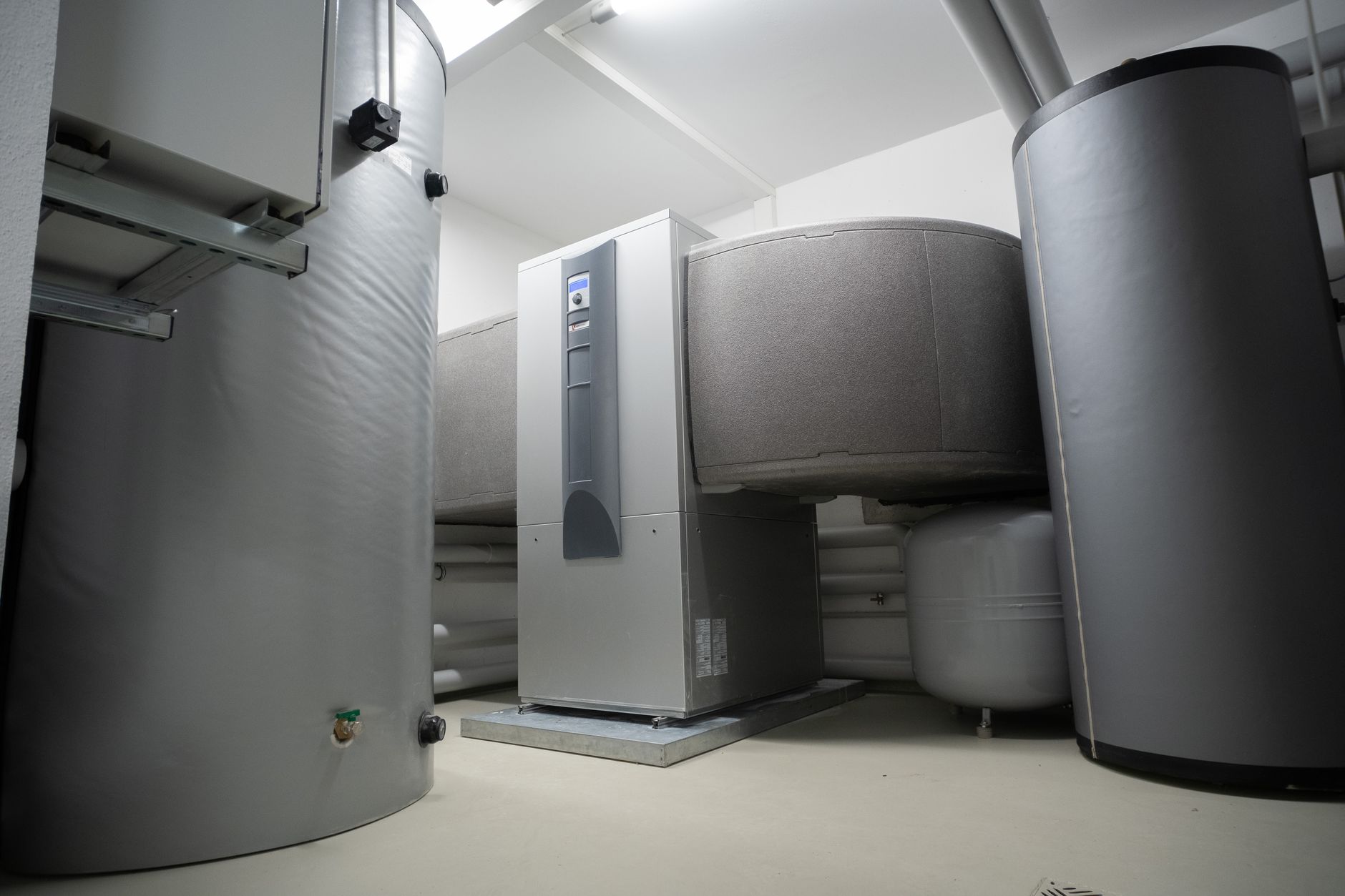
In an era defined by urgent calls for climate action and a global shift towards sustainable living, the way we heat and cool our homes stands as a critical frontier. Traditional heating systems, often reliant on fossil fuels, contribute significantly to carbon emissions, driving the imperative for cleaner, more efficient alternatives. Among these, heat pumps have emerged as a leading contender, lauded for their energy efficiency and environmental benefits. However, despite their clear advantages, widespread adoption has faced persistent hurdles, primarily concerning cost and complexity of installation.
This landscape, ripe for disruption, is precisely where an exciting new venture, Merino Energy, enters the scene. Founded by a former Apple engineer with a background in consumer electronics like AirPods, Merino Energy is tackling the challenge of sustainable home heating head-on. Their mission? To dramatically simplify heat pump technology, making it not only cheaper but also significantly easier to install. This approach promises to democratize access to renewable home energy, potentially catalyzing a seismic shift in how we power our lives and protect our planet. This article delves into the significance of this innovation, exploring the mechanics of heat pumps, the obstacles to their adoption, and how a design philosophy rooted in consumer electronics could unlock a more sustainable future for residential energy.
Understanding Heat Pumps: The Eco-Friendly Alternative
At its core, a heat pump is an ingenious device that operates on a remarkably simple principle: instead of generating heat through combustion, it moves heat from one place to another. During colder months, it extracts heat from the outside air, ground, or even water sources, and transfers it indoors. In warmer periods, the process can be reversed, effectively cooling your home by moving heat outside. This fundamental difference makes heat pumps incredibly efficient compared to conventional furnaces or boilers.
- Energy Efficiency: Because they only transfer heat, rather than creating it, heat pumps can deliver more energy as heat than they consume in electricity. Their efficiency is often measured by a Coefficient of Performance (COP), which typically ranges from 2 to 5, meaning for every unit of electricity consumed, 2 to 5 units of heat are moved.
- Reduced Emissions: By utilizing ambient heat and consuming less electricity, heat pumps significantly lower a home's carbon footprint, especially when powered by renewable energy sources.
- Dual Functionality: Most modern heat pumps provide both heating and cooling, eliminating the need for separate systems and simplifying home climate control.
- Long-Term Savings: While upfront costs can be higher, lower operating expenses often lead to substantial savings over the lifespan of the unit, contributing to overall home energy efficiency.
These benefits position heat pumps as a cornerstone of sustainable home design and a crucial technology in the global effort to decarbonize buildings. Yet, their potential has, until recently, been largely untapped by the wider consumer market.
The Current Hurdles to Widespread Adoption
Despite their undeniable advantages, heat pumps have faced significant barriers to mass market penetration. These hurdles often deter homeowners and builders, slowing the transition away from less sustainable heating methods:
- High Upfront Costs: The initial investment for purchasing and installing a heat pump system can be considerably higher than traditional furnaces or air conditioners. While government incentives and rebates exist in many regions, the sticker price remains a significant deterrent for many households.
- Installation Complexity: Traditional heat pump installations can be intricate, requiring specialized skills, extensive ductwork modifications, and sometimes invasive construction work. This complexity translates into higher labor costs and longer installation times, often creating inconvenience for homeowners. The need for highly specialized technicians also limits availability in some areas.
- Space Requirements: Some heat pump configurations, particularly ground-source systems, require substantial outdoor space for drilling or trenching, which isn't feasible for all properties. Even air-source units require adequate clearance for outdoor condensers.
- Lack of Awareness and Understanding: Many consumers are still unfamiliar with heat pump technology, how it works, and its long-term benefits. Misconceptions about performance in extreme climates or maintenance requirements persist, hindering informed decision-making.
- Aesthetics: Outdoor units can sometimes be bulky or visually unappealing, which can be a concern for homeowners focused on curb appeal.
These challenges collectively form a significant impediment to accelerating the adoption of sustainable heating solutions, underscoring the urgent need for innovation that addresses these practical concerns directly.
Merino Energy's Innovation: Simplicity as a Game Changer
Enter Merino Energy, founded by Sam Merino, an engineer whose past work involved designing sophisticated, user-friendly devices like Apple's AirPods. Merino Energy's philosophy revolves around a fundamental principle: simplify, simplify, simplify. The company's goal is to reduce the number of components in a typical heat pump dramatically, thereby streamlining the manufacturing process, lowering material costs, and crucially, making installation far less complex and time-consuming.
This simplification isn't just about cutting corners; it's about intelligent engineering. By re-imagining the core architecture of a heat pump, Merino Energy aims to:
- Reduce Manufacturing Costs: Fewer parts mean less raw material, simpler assembly lines, and overall lower production expenses, which can be passed on to the consumer.
- Ease of Installation: A simplified design often translates to a modular, 'plug-and-play' approach. Imagine a heat pump that can be installed in a fraction of the time, potentially by a broader range of trained technicians, or even with a significant reduction in specialized tools and expertise. This drastically cuts labor costs and homeowner inconvenience.
- Enhanced Reliability: Counterintuitively, fewer moving parts can sometimes lead to greater reliability and easier maintenance, as there are fewer points of failure.
- Mass Market Accessibility: By tackling the twin barriers of cost and complexity, Merino Energy seeks to make high-efficiency heat pump technology accessible to a much wider demographic, moving it from a niche green product to a mainstream home appliance.
This strategy mirrors the disruptive innovation seen in other industries where complex technologies were eventually made intuitive and affordable for the masses. The consumer electronics world, where convenience and user experience are paramount, provides a compelling blueprint for such a transformation.
The 'Apple Design' Influence: User-Centric Sustainable Tech
The involvement of an engineer with a background at Apple, particularly in products like AirPods, brings a unique and invaluable perspective to the heat pump industry. Apple's design philosophy is renowned for its emphasis on minimalism, intuitive user experience, seamless integration, and meticulous attention to detail. These principles, when applied to a traditionally industrial product like a heat pump, could be revolutionary.
- Industrial Design and Aesthetics: Moving beyond bulky, utilitarian outdoor units, Merino Energy might prioritize sleek, compact designs that blend more harmoniously with residential architecture, addressing one of the aesthetic concerns of homeowners.
- User Interface and Control: Drawing from the world of smart devices, the control systems for Merino Energy's heat pumps could be exceptionally user-friendly, integrating with smart home ecosystems and providing intuitive feedback on energy consumption and performance.
- Modularity and Installability: The 'AirPods' influence could mean designing the system with modular components that snap together easily, significantly reducing installation time and skill requirements, akin to setting up a new consumer electronic device.
- Supply Chain and Manufacturing Efficiency: A background in high-volume consumer electronics often comes with deep knowledge of optimizing supply chains and manufacturing processes for scale and cost-effectiveness. This expertise can be directly applied to making heat pumps more affordable to produce.
- Focus on the 'Unboxing' Experience: While less critical for an HVAC system, the underlying philosophy of making a product feel premium, well-engineered, and easy to use from the moment it arrives is a powerful driver for customer satisfaction and rapid adoption.
This user-centric approach is vital for accelerating the transition to renewable energy in homes. When sustainable technology becomes as convenient and well-designed as our favorite gadgets, its adoption ceases to be a chore and becomes an appealing lifestyle choice.
Broader Implications for Sustainable Living
The potential for Merino Energy's simplified heat pumps extends far beyond just making homes warmer or cooler. This innovation holds significant implications for the broader movement towards sustainable living:
- Accelerated Decarbonization: Residential heating accounts for a substantial portion of global carbon emissions. By making heat pumps more accessible, Merino Energy could significantly accelerate the decarbonization of buildings worldwide, moving us closer to climate goals.
- Energy Independence and Resilience: Homes equipped with highly efficient heat pumps, especially when coupled with solar panels or other renewable sources, can achieve greater energy independence, reducing reliance on volatile fossil fuel markets and enhancing grid resilience.
- Economic Growth and Job Creation: A booming heat pump market would spur innovation, create jobs in manufacturing, installation, and maintenance, and foster a new segment of the green economy.
- Improved Indoor Air Quality: Unlike combustion-based systems, heat pumps do not produce combustion byproducts, contributing to healthier indoor air environments.
- Democratization of Green Technology: By lowering costs and simplifying installation, Merino Energy's approach could bring the benefits of sustainable technology within reach of a broader socio-economic spectrum, ensuring that climate solutions are equitable.
This isn't just about a new product; it's about lowering the barrier to entry for an essential piece of green infrastructure, making sustainable choices easier for millions of households.
Future Outlook and Potential Impact
The advent of companies like Merino Energy represents a pivotal moment for the sustainable heating industry. If their simplified heat pump designs prove successful in terms of performance, reliability, and cost-effectiveness, the ripple effects could be profound. Other manufacturers may be compelled to innovate and streamline their own offerings, fostering healthy competition and further driving down prices.
The future could see heat pumps becoming the default heating and cooling solution for new constructions, and a highly attractive upgrade for existing homes. Government incentives, alongside these technological advancements, will further accelerate adoption. Ultimately, the vision is a world where residential energy consumption is not only efficient but also environmentally benign, contributing positively to air quality and climate stability.
The journey from a complex, niche technology to a ubiquitous household appliance is a challenging one, but history shows it's achievable when design meets demand. With engineers from the consumer electronics world now applying their expertise to solve grand environmental challenges, the prospect of a truly sustainable future for our homes looks brighter than ever.
Key Takeaways
- Heat Pumps are Crucial: They are a highly efficient, low-emission alternative to traditional heating and cooling systems, vital for decarbonizing residential energy.
- Cost and Complexity are Major Barriers: High upfront costs and intricate installation requirements have hindered widespread heat pump adoption.
- Merino Energy's Solution: Founded by a former Apple engineer, Merino Energy is simplifying heat pump design to make them cheaper and easier to install.
- Consumer Electronics Influence: Principles of user-centric design, modularity, and efficient manufacturing from the tech world are being applied to green technology.
- Accelerating Sustainable Living: This innovation has the potential to democratize access to green heating, significantly reduce carbon emissions, and drive economic growth in the sustainable sector.
FAQ Section
Q1: What exactly is a heat pump and how does it work?
A heat pump is a device that transfers heat rather than generating it. In winter, it extracts heat from outside sources (like air, ground, or water) and moves it into your home. In summer, it reverses the process, extracting heat from your home's interior and releasing it outside, effectively acting as an air conditioner. This heat transfer mechanism makes it far more energy-efficient than systems that burn fuel to create heat, often providing 2-5 units of heat for every unit of electricity consumed.
Q2: Why have heat pumps historically been challenging to install?
Historically, heat pump installations have been complex for several reasons. They often require specialized knowledge for sizing and system design, extensive modifications to existing ductwork or the installation of new lines, and sometimes significant outdoor groundwork for ground-source units. The need for highly skilled technicians, specialized tools, and the invasive nature of some installations have contributed to high labor costs and inconvenience, making the overall process lengthy and expensive for homeowners.
Q3: How does Merino Energy's approach differ from traditional heat pump manufacturers?
Merino Energy's primary differentiator lies in its focus on radical simplification. Drawing from a background in consumer electronics (like AirPods), the company aims to reduce the number of components in a heat pump significantly. This approach is designed to lower manufacturing costs, streamline the installation process to make it quicker and less labor-intensive, and ultimately lower the final price for consumers. By prioritizing ease of use and installation, Merino Energy seeks to transform heat pumps from a specialized, complex product into a more accessible and user-friendly home appliance, akin to consumer electronics.
Conclusion
The journey towards a sustainable future demands relentless innovation, especially in sectors that have long relied on conventional, carbon-intensive methods. The residential heating market, a significant contributor to global emissions, is poised for such a transformation. Merino Energy's fresh perspective, born from the world of consumer electronics, offers a compelling vision: that green technology need not be complex or prohibitively expensive to be effective.
By simplifying the design and installation of heat pumps, Merino Energy is not just building a product; it's laying the groundwork for a more accessible and equitable transition to sustainable heating for millions. This move signals a promising convergence of cutting-edge engineering with environmental stewardship, reminding us that with ingenuity and a focus on user experience, even the most challenging global problems can find elegant, scalable solutions. The future of home heating is not just efficient; it's becoming intelligently simple.
Comments (0)
To comment, please login or register.
No comments yet. Be the first to comment!