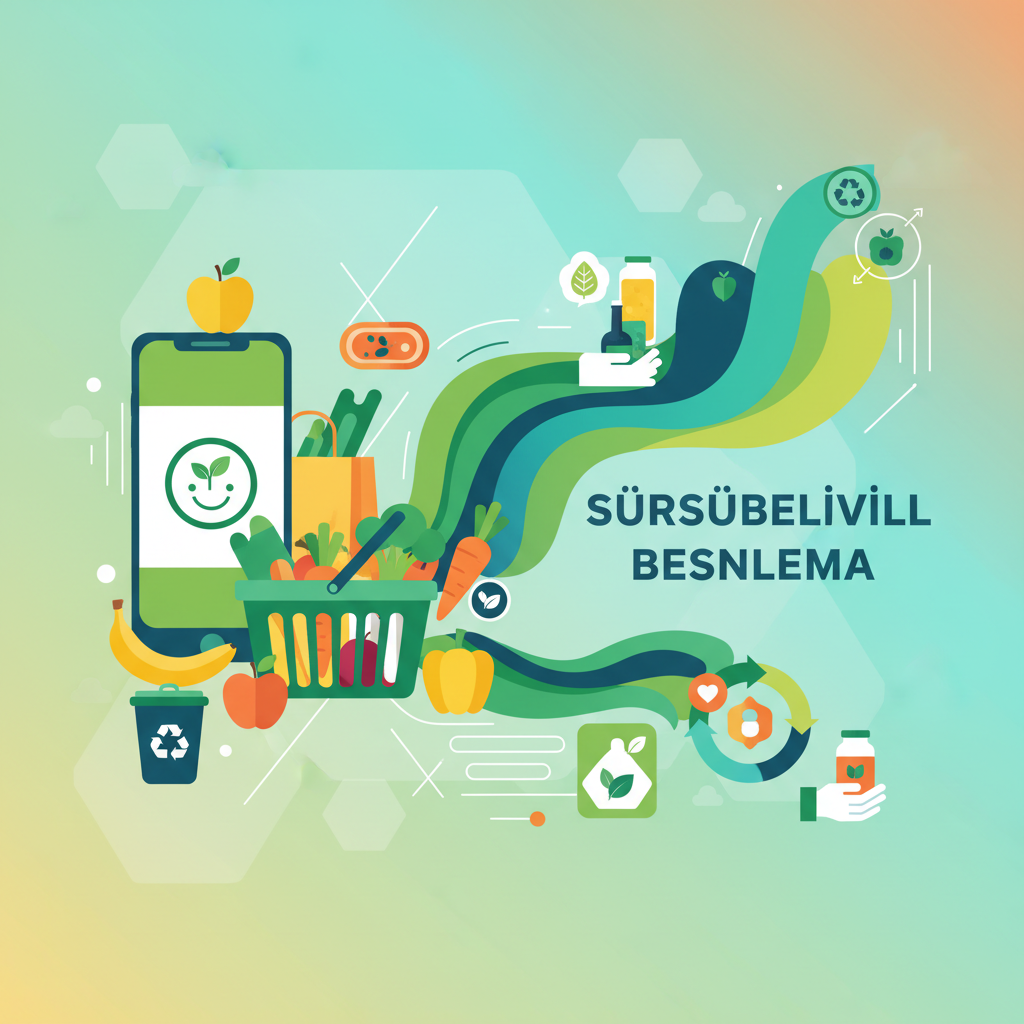
Sustainable Nutrition

Food Waste Apps: Too Good To Go and Alternatives

Food Waste Apps: Too Good To Go and Alternatives

Introduction: The Digital Fight Against Food Waste in 2026

Dear readers, as we arrive in 2026, one of the biggest challenges our planet faces continues to be food waste. But there's no need to despair; because the power of technology offers us brand new weapons in our fight against this global problem. Through apps on our smartphones, breaking the food waste chain, which extends from restaurants to supermarkets, and even to our refrigerators at home, is now easier and more effective than ever. So, what are the leading Food Waste apps in this fight in 2026, and where are the innovations in this field taking us? Let's explore together!

Why Is Food Waste Still a Big Problem?

Approximately one-third of the food produced worldwide is wasted every year. This is not just an economic loss but also a serious environmental and ethical problem. In 2026, we are in a period where resources are even more valued, and the effects of the climate crisis are felt more clearly. The water, energy, and labor expended from production to our tables go to waste with every bite thrown away. Sustainable nutrition is closely related not only to what we eat but also to how we consume. Fortunately, technology offers us a powerful tool in this regard.

Too Good To Go: A Success Story and Beyond

Too Good To Go is undoubtedly one of the most well-known and successful examples among technology solutions preventing food waste. As of 2026, with millions of users worldwide, this app delivers surplus but still edible products from bakeries, supermarkets, and restaurants to consumers at discounted prices. Imagine a fresh sandwich, a slice of cake, or a meal that wasn't sold that day, becoming your dinner instead of going to waste. This means both additional income for businesses and affordable, quality food for consumers. Its contribution to businesses' inventory management and its potential to reduce the carbon footprint truly make it groundbreaking.

2026 Perspective: Smart Solutions to Food Waste with AI and IoT

2026 marks a peak in the integration of Artificial Intelligence (AI) and the Internet of Things (IoT) technologies within the food sector. We are no longer just rescuing surplus food; we are seeking ways to prevent waste before it even occurs. At this point, Food Waste apps are becoming much smarter:

  • Smart Refrigerators and Kitchen Assistants: IoT-enabled refrigerators track expiration dates of products inside, send you reminders, or suggest recipes for ingredients that are about to run out. AI-powered kitchen assistants optimize your shopping lists, preventing unnecessary purchases.
  • Predictive Inventory Management: Restaurants and supermarkets, thanks to AI algorithms that analyze past sales data, weather forecasts, and special events, can predict their daily needs much more accurately. This minimizes the risk of overproduction and, consequently, excessive waste.
  • Transparent Supply Chain with Blockchain: Tracking the journey of food from farm to table with blockchain technology allows for early detection of spoilage risks and minimizes logistical losses. This transparency also enhances food safety.

Too Good To Go Alternatives and Local Initiatives

While Too Good To Go is a great start, in 2026, the market is enriched with much more niche and local solutions. Here are some alternative Food Waste apps and concepts to consider:

  1. Direct-to-Consumer Sales Platforms from Local Farms:
    Example: Apps like "From My Farm to Your Table" enable farmers to deliver their fresh produce directly to consumers, cutting out intermediaries. This particularly prevents surplus harvest from being wasted, while offering farmers a fairer income and consumers fresher, more affordable products.

  2. Community Sharing Networks:
    Example: Platforms like "Food Brotherhood" or "Neighbor's Basket" facilitate individuals sharing surplus food from their homes or food that won't be consumed due to travel, with neighbors or those in need. This strengthens community ties while preventing food waste on a micro-scale.

  3. Discount Apps for Nearing-Expiration Products:
    Example: Some supermarket chains use their own apps to instantly announce products nearing their expiration date with significant discounts. This is a great opportunity for conscious consumers.

  4. Food Bank and Charity Integrations:
    Example: Digital bridges that facilitate companies donating their surplus food directly to food banks. In 2026, such integrations have become a significant part of corporate social responsibility.

“The fight against food waste is not just about using technology; it is also directly related to raising social awareness and changing our consumption habits. Each application is a small but powerful piece of this larger picture.”

Practical Tips: You Too Can Be Part of the Change!

So, how can you, as a consumer, participate in this movement? Here are some concrete steps you can take in 2026:

  • Download and Use Apps: Explore Food Waste apps in your area, starting with Too Good To Go, and use them regularly. Save money and contribute to the world.
  • Shop Smart: Don't go to the supermarket without preparing your shopping list. Check your refrigerator and pantry to determine what you truly need. Avoid over-purchasing.
  • Be Creative: Repurpose leftover food with new recipes. Make croutons from stale bread, prepare broth from vegetable peels. Embrace the "zero-waste kitchen" concept.
  • Understand Expiration Dates: Know the difference between "Use By Date" (SKT - Son Tüketim Tarihi) and "Best Before Date" (TETT - Tavsiye Edilen Tüketim Tarihi). Most products past their Best Before Date can still be safely consumed.
  • Use Your Freezer Effectively: Extend the shelf life of excess food or vegetables by freezing them.

Looking to the Future: Less Waste, More Sustainability

The year 2026 could go down in history as a turning point in the fight against food waste. Advanced technologies like AI, IoT, and blockchain, combined with pioneering applications like Too Good To Go, have multiplied our potential to reduce waste. However, it's important to remember that technology alone is not enough. Each individual adopting conscious consumption habits is the most powerful factor that can truly bring food waste to zero. To leave a more livable world for future generations, the responsibility to value every bite rests on all our shoulders.

Conclusion: Take a Step for the Planet!

Dear readers, food waste apps are not just a trend; they are indispensable tools for sustainable nutrition and our mission to protect our planet. In 2026 and beyond, these applications will become an even more integral part of our lives. Act today, take your first step by downloading Too Good To Go or a similar alternative. Remember, even small steps lead to big changes. Together, we can create a less wasteful, more conscious world!

Comments (0)

No comments yet. Be the first to comment!

biMoola Assistant
Hello! I am the biMoola Assistant. I can answer your questions about AI, sustainable living, and health technologies.