Wearable Technology

CGM Sensors: Redefine Your Health with Blood Sugar Monitoring in 2026

CGM Sensors: Redefine Your Health with Blood Sugar Monitoring in 2026

Hello, health-conscious friend! As we enter 2026, health technologies have become more personal, accessible, and transformative than ever before. Once known primarily as a tool to ease the lives of diabetes patients, Continuous Glucose Monitor (CGM) sensors are now an indispensable guide for every individual to deeply understand and optimize their metabolic health.

So, why is blood sugar monitoring so critical not just for diabetics, but for all of us? The answer is simple: understanding our body's responses to glucose allows us to take control in many areas, from our energy levels to our sleep quality, our mood, and our long-term disease risks. In this article, we will delve into how CGM sensors are being used from a 2026 perspective, the trend of non-diabetic use, and the revolutionary opportunities they offer in nutrition optimization.

What Are CGM Sensors and How Do They Work in 2026?

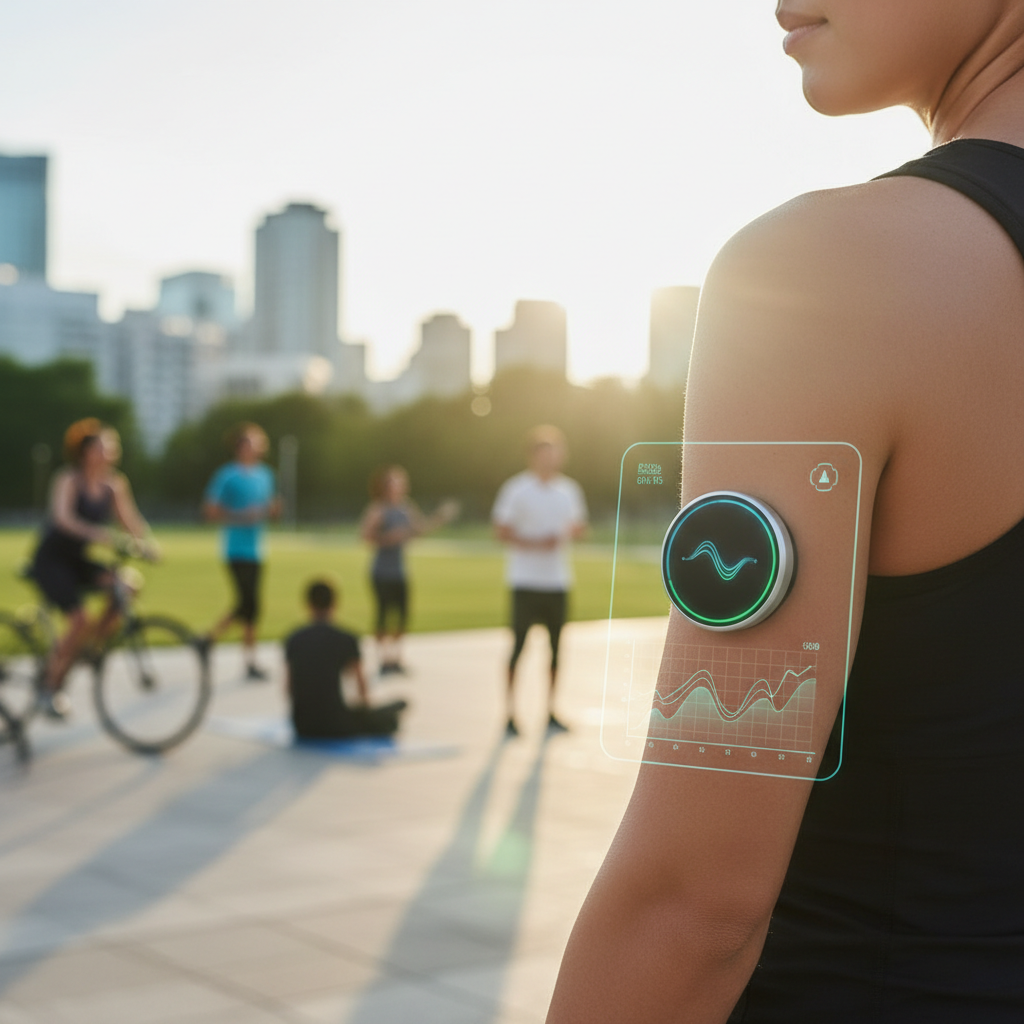
CGM sensors are wearable technology marvels that continuously measure glucose levels in interstitial fluid via a small, needle-like filament inserted under the skin. Unlike traditional finger-prick methods, these sensors provide you with instant and continuous data. As of 2026, these devices have become even smaller, sensor life has extended (some can last up to 14-28 days), and data accuracy has reached its peak. Thanks to apps integrated with your smartphone, you can monitor your glucose levels in real-time, observe trends, and even predict potential dangerous spikes or drops in advance.

Why CGM Is No Longer Just For Diabetics: The "Non-Diabetic Use" Trend

While CGM technology was historically synonymous with diabetes management, the concept of "non-diabetic use" is rapidly spreading today. It's no longer just those with blood sugar regulation issues; individuals looking to improve their metabolic health, those aiming for weight control, athletes, and general wellness enthusiasts are also actively using this technology. Our goal is to understand our body's signals and take proactive steps before developing diabetes or another chronic disease.

"One of the most direct ways to communicate with our body: CGM sensors reveal the immediate effects of the foods we eat and our lifestyle on our blood sugar."

Nutrition Optimization: The Power of Personalized Glycemic Response

We are all different. A food that works well for one person might cause an unexpected blood sugar spike in another. This is where CGM sensors come in. Going beyond general dietary advice, they allow you to analyze in detail your body's specific glycemic response to certain foods, meal combinations, and even meal timings. With this personalized data, you can learn which carbohydrates are more suitable for you, how to balance them with proteins and fats, and what strategies to implement to minimize blood sugar fluctuations.

Practical Tips: How to Optimize Your Nutrition with CGM?

  1. Keep a Detailed Food Diary: Note the time and quantity of what you eat and drink. By comparing this with your CGM data, you can concretely see how certain foods affect your blood sugar.
  2. Discover the Pattern: Observe the effects of specific food groups or meal combinations (e.g., rice and beans instead of just rice) on your blood sugar. You'll notice that while one food alone might cause a spike, combining it with another food can lead to a more moderate effect.
  3. Pre and Post-Meal Movement: You'll see that a 10-15 minute light walk, especially after a carbohydrate-heavy meal, can significantly reduce blood sugar spikes. You can instantly monitor this effect with CGM.
  4. Fiber and Protein Balance: Observe how adding more fibrous vegetables and quality protein to your meals can lighten the glycemic load of carbohydrates. For example, instead of just eating fruit, combining fruit with a handful of nuts can yield better results.
  5. AI-Powered Recommendations (2026 Trend): Many CGM applications analyze the collected data with artificial intelligence algorithms to provide you with personalized nutrition recommendations. Some can even predict your potential glycemic response before you eat a new food!

CGM and Performance: Athletes and Active Lifestyles

From professional athletes to weekend runners, individuals leading active lives also greatly benefit from CGM sensors. Glucose data is invaluable for optimizing pre- and post-workout nutrition strategies, preventing energy dips (bonking) during exercise, and sustaining peak performance. You can clearly see when you need to take carbohydrate supplements based on the intensity and duration of your exercise.

Long-Term Health Goals and CGM: 2026 and Beyond

In 2026, health technologies are moving with a vision not just to treat diseases, but to prevent them. CGM sensors are one of the cornerstones of this proactive health approach. Regular blood sugar monitoring plays a key role in reducing the risk of chronic conditions such as obesity, type 2 diabetes, and even some cardiovascular diseases. By increasing your metabolic flexibility, optimizing your energy levels, you can achieve better sleep quality and a more stable mood. Furthermore, thanks to integration with other wearable devices (smartwatches, sleep trackers), your overall health map is laid out much more clearly before you.

What to Consider When Choosing CGM Sensors?

  • Accuracy and Reliability: Compare calibration and accuracy data from different brands.
  • App Interface: A user-friendly, clear, and data-analysis-rich mobile application experience is important.
  • Sensor Life and Ease of Replacement: The number of days of use it offers and how practical the replacement process is are important factors.
  • Price and Accessibility: Although it may become more accessible in 2026, cost and ease of obtaining sensors should still be considered.
  • Integration Capabilities: Its ability to integrate with other health applications or smart devices you use provides a holistic view of your data.

In short, CGM sensors are a powerful tool that transforms your health into a personal science project in 2026. You no longer have to guess or follow general advice. You can listen to your body's unique story, base your decisions on concrete data, and thus step into a much more conscious, energetic, and healthy future. Take control of your health and start benefiting from the opportunities offered by this revolutionary technology!

Comments (0)

No comments yet. Be the first to comment!

biMoola Assistant
Hello! I am the biMoola Assistant. I can answer your questions about AI, sustainable living, and health technologies.