Green Technology

Buying an Electric Vehicle in 2026: Cost, Charging Infrastructure, and Carbon Footprint

Buying an Electric Vehicle in 2026: Cost, Charging Infrastructure, and Carbon Footprint

Owning an Electric Vehicle in 2026: A Smart Investment for the Future

Hello dear readers, as an SEO expert and content strategist, I am here to provide you with the most up-to-date information to keep pace with sustainable living trends and technological advancements. Today, we will cover what it means to own an electric vehicle (EV) in Turkey in 2026, its costs, charging infrastructure, and environmental impacts from A to Z. For those considering stepping into the future of transportation, this article serves as a comprehensive guide.

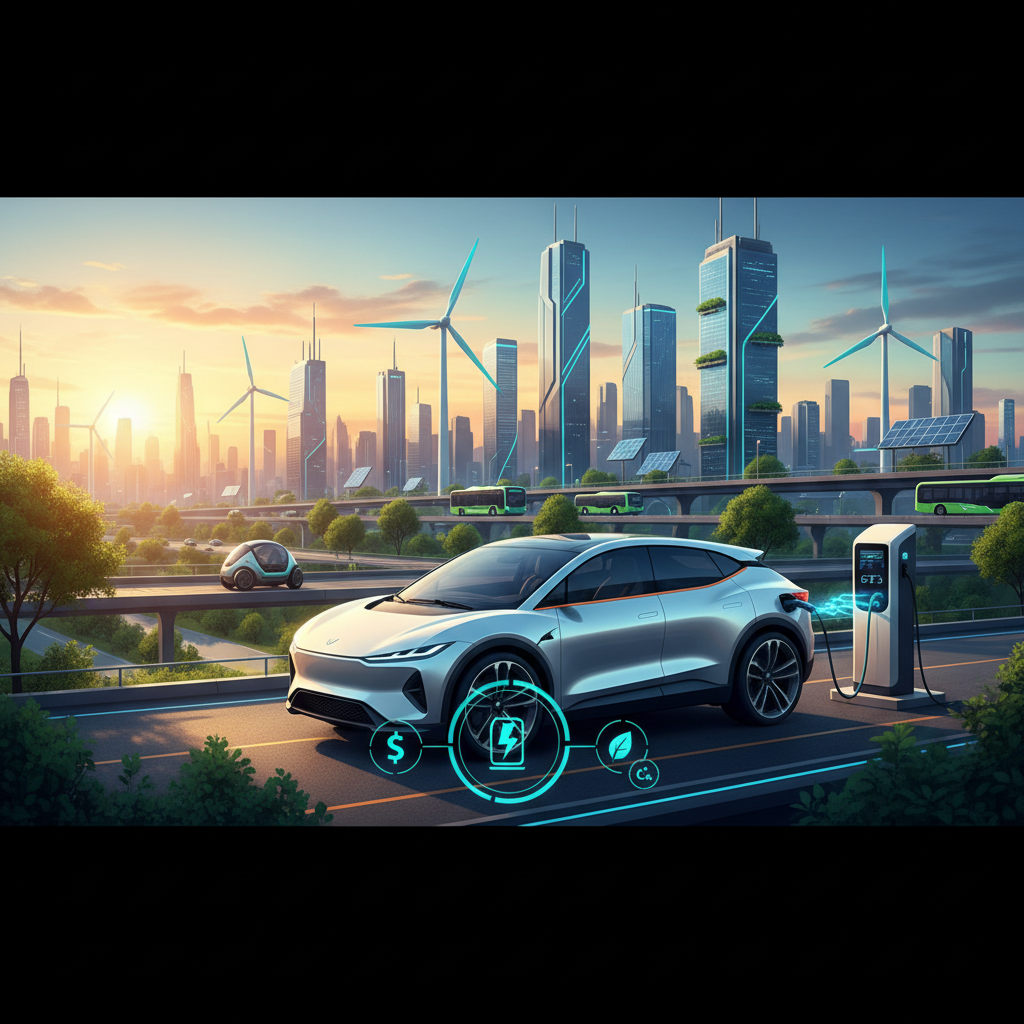
By 2026, electric vehicles have ceased to be a luxury and have become a common sight in our cities and on our long journeys. Technological advancements, falling battery costs, and global climate change targets have been the main driving forces behind this transformation. So, in this dynamic environment, is buying an electric vehicle truly a sensible decision?

Electric Vehicle Cost Analysis in Turkey for 2026: Is It Really Cheaper?

Undoubtedly, the first question that comes to mind when purchasing an electric vehicle is cost. In 2026, initial purchase prices may still appear slightly higher than their gasoline or diesel counterparts. However, this gap is gradually closing thanks to government incentives, Special Consumption Tax (ÖTV) reductions, and advancements in battery technology. Especially with the launch of domestically produced models like TOGG, competition has increased, pushing prices to more accessible levels.

  • Purchase Cost: In 2026, as battery production technologies have matured, the list prices of electric vehicles are more competitive compared to previous years. Moreover, with the significant development of the second-hand EV market, it's possible to find more affordable options.
  • Operating Costs: This is where electric vehicles truly shine! Electricity costs are much lower compared to fuel prices. An average electric vehicle consumes approximately 20-30 TL of electricity per 100 km, whereas for a gasoline car, this figure hovers around 150-200 TL. Maintenance costs are also lower since electric vehicles don't have items like oil changes or spark plug checks.
  • Tax Advantages: The Motor Vehicle Tax (MTV) advantages applied to electric vehicles in Turkey continue in 2026, providing significant long-term savings.

"As of 2026, electric vehicle ownership in Turkey has surpassed many gasoline cars in terms of Total Cost of Ownership (TCO), becoming both a budget-friendly and environmentally conscious option."

Evolving Charging Infrastructure: Don't Be Afraid to Hit the Road!

"Where will I charge?" was the biggest concern for those considering buying an electric vehicle. However, by 2026, Turkey's charging station network has expanded at an incredible pace. With investments from both the government and the private sector, it's now very easy to find charging points everywhere, from city centers to highways, from shopping malls to apartment parking lots.

  1. Home Charging Solutions: You can safely charge your vehicle overnight by installing a Wallbox at your own home. This is the most cost-effective and practical charging method. Thanks to smart charging systems, there's also the option to automatically charge during off-peak hours when electricity tariffs are cheaper.
  2. Public Charging Stations: In large cities and along highways, many new players, alongside operators like Trugo, Eşarj, and Zorlu Energy, have installed fast and ultra-fast DC charging stations. Charging your car's battery up to 80% while taking a coffee break is now a standard experience.
  3. Smart Apps and Payment Systems: Mobile applications developed to find charging stations, check availability, and make payments have greatly simplified the charging experience. Some apps even offer roaming services between different charging operators, allowing you to use all networks with a single subscription.

A practical tip: When planning long journeys, identifying charging stations along your route in advance and adjusting your breaks accordingly will make your trip much more comfortable. Remember, range anxiety is largely a thing of the past.

Carbon Footprint and Environmental Impact: How Environmentally Friendly Is It Really?

Although debates continue regarding whether electric vehicles are environmentally friendly, scientific data emerging by 2026 clearly demonstrates the positive environmental impact of electric vehicles. Of course, some carbon emissions occur during the production of an electric vehicle, but over its lifespan, these emissions are much lower compared to a gasoline or diesel car.

  • Zero Tailpipe Emissions: Thanks to zero tailpipe emissions within cities, electric vehicles directly contribute to air quality. They offer a significant solution to air pollution problems, especially in large cities.
  • Grid Carbon Intensity: The share of renewable energy sources in Turkey's electricity generation is increasing every day. This means that the carbon intensity of the electricity used to charge electric vehicles is decreasing. Consequently, your carbon footprint shrinks as you charge your vehicle.
  • Battery Recycling and Second Life: As battery technologies develop, production processes become more sustainable. Furthermore, the recycling of end-of-life batteries and second-life applications such as energy storage systems are becoming more widespread, further reducing the environmental impact.

Remember, by owning an electric vehicle, you contribute not only to your own wallet but also to the effort of leaving a cleaner world for future generations. This is an important step towards sustainable living.

Choosing an Electric Vehicle in 2026: What Should You Consider?

With so many electric vehicle models on the market, making the right choice can be challenging. Here's what you should consider when buying an electric vehicle in 2026:

  1. Range Requirement: Consider your daily driving habits and occasional long journeys to choose a vehicle with a suitable range for you. Modern EVs can offer 400-600 km of range on a single charge.
  2. Charging Speed and Port Type: Check both the AC and DC charging ports of the vehicle and its maximum charging speeds. Most fast charging stations in Turkey use the CCS type.
  3. Battery Warranty: The battery is the most critical and expensive component of an electric vehicle. The duration and coverage of the manufacturer's battery warranty (usually 8 years or 160,000 km) are very important.
  4. Resale Value: In an era where electric vehicle technology is rapidly advancing, you might want to consider your vehicle's future resale value. Good brands and popular models generally retain their value better.
  5. Test Drive: Be sure to test drive different models to experience the driving comfort, acceleration, and overall driving experience yourself.

Real-Life Tips: Get Maximum Efficiency from Your Electric Vehicle

Electric vehicle ownership requires adopting some new habits, but these quickly become routine and make your life easier. Here are a few practical tips:

  • Embrace Smart Charging: When charging at home, opting for night hours when electricity tariffs are lowest will further reduce costs. Smart charging apps can assist you with this.
  • Utilize Regenerative Braking: Most electric vehicles recover energy back into the battery during braking. By efficiently using this feature, you can extend your range. Vehicles with one-pedal driving are particularly effective in this regard.
  • Maintain Battery Health: Generally keeping your battery between 20-80% extends its life. Only charge to 100% just before embarking on long journeys.
  • Pay Attention to Tire Pressure: Correct tire pressure is critically important for range and driving safety. Check it regularly.

Conclusion: 2026, A Turning Point for Electric Vehicles

The year 2026 marks a true turning point for electric vehicle ownership in Turkey. Evolving technology, expanding charging infrastructure, and increasing environmental awareness are transforming electric vehicles from merely an alternative into a mainstream transportation choice. With cost advantages, zero-emission driving experience, and government support, purchasing an electric vehicle means making a smart and sustainable investment for both your wallet and our planet.

If you too are looking for a future-oriented, eco-friendly, and economical mode of transportation, electric vehicles in 2026 are opening the doors to a brand new world for you. Come on, join this exciting journey!

Comments (0)

No comments yet. Be the first to comment!

biMoola Assistant
Hello! I am the biMoola Assistant. I can answer your questions about AI, sustainable living, and health technologies.