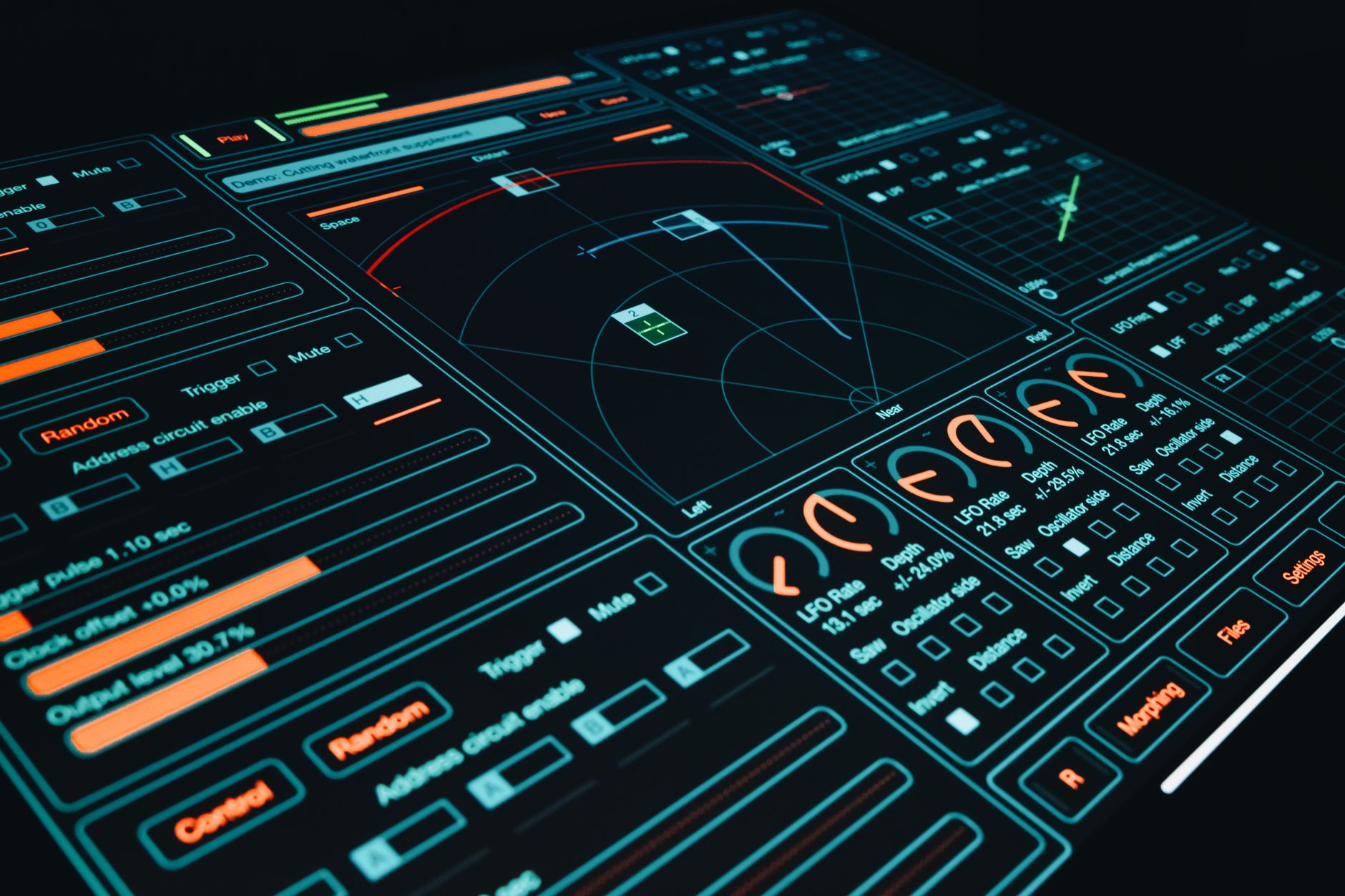
In the fast-paced world of software development, where innovation is paramount and deadlines loom large, maintaining developer engagement, productivity, and code quality is a constant challenge. For years, teams have relied on traditional metrics and project management tools, often leading to a detached, clinical view of progress. But what if we could infuse the joy of play into the rigor of coding? What if the very act of contributing to a project felt less like a chore and more like a quest?
The concept of a 'gamified GitHub dashboard,' as exemplified by recent open-source initiatives, is rapidly transforming this landscape. This article, from biMoola.net, delves deep into how integrating game-like elements into developer workflows isn't just a fleeting trend but a powerful strategy for enhancing Developer Experience (DevEx), fostering collaboration, and driving superior outcomes. We'll explore the psychological underpinnings, practical applications, and the transformative potential of these tools, especially when supercharged by AI. Prepare to understand the 'why' and 'how' behind this paradigm shift, offering actionable insights for teams looking to revolutionize their development culture.
The Psychology of Play: Why Gamification Works in Software Development
At its core, gamification is the application of game-design elements and game principles in non-game contexts. In software development, this translates to turning tasks like code reviews, bug fixes, or feature implementations into challenges with tangible rewards, progress indicators, and social recognition. The effectiveness stems from deeply rooted psychological principles that drive human motivation and behavior.
Intrinsic vs. Extrinsic Motivation
Traditional workplaces often lean on extrinsic motivators – salaries, bonuses, promotions. While important, these can sometimes fall short in fostering true engagement and creativity, especially in intellectually demanding fields like software engineering. Gamification, conversely, taps into intrinsic motivation – the desire to engage in an activity for its inherent satisfaction. Elements like mastery, autonomy, and purpose, identified by author Daniel Pink in his seminal work 'Drive,' are powerful intrinsic motivators. Gamified dashboards provide clear paths to mastery (e.g., through skill-based challenges), a sense of autonomy (choosing quests), and a clear purpose (contributing to a collective score or project goal).
Flow State and Engagement
Hungarian-American psychologist Mihaly Csikszentmihalyi coined the term 'flow state' to describe a mental state in which a person performing an activity is fully immersed in a feeling of energized focus, full involvement, and enjoyment. This state is characterized by intense concentration, a loss of self-consciousness, and a distorted sense of time. Well-designed gamified systems can induce flow by providing clear goals, immediate feedback, and a balance between challenges and skills. For developers, this can mean deeper concentration on complex problems, leading to more elegant solutions and a more satisfying work experience. A 2021 study published in the Journal of Business Research highlighted that gamified environments significantly increase engagement and intention to continue using a system, with a 15-20% boost in perceived productivity reported in some technology sectors.
Deconstructing the Gamified GitHub Dashboard: Core Features and Mechanics
A gamified GitHub dashboard goes far beyond simply displaying commit counts. It's a dynamic, interactive system designed to transform raw data into engaging experiences. Based on recent open-source implementations and industry best practices, here are key features:
Real-time Performance Metrics and Visualization
Instead of dry spreadsheets, these dashboards present developer activity through visually rich interfaces. Think interactive charts tracking pull requests merged, issues closed, code review participation, or even time-to-first-comment. The emphasis is on making individual and team contributions transparent and immediately understandable. Metrics are often normalized to prevent unfair comparisons (e.g., accounting for project complexity or team size).
Leaderboards, Badges, and Achievements
These are the bread and butter of gamification. Leaderboards showcase top performers in specific categories (e.g., 'Most Code Reviews,' 'Fastest Bug Fixer,' 'Top Contributor of the Week'). Badges are awarded for milestones ('First PR,' '100th Commit,' 'Master Debugger') or for completing specific learning paths. Achievements provide a sense of progression and recognition, turning routine tasks into opportunities for celebration and positive reinforcement. This fosters a healthy competitive spirit while also acknowledging diverse forms of contribution.
Collaborative Challenges and Team Quests
True team cohesion often comes from shared objectives. Gamified dashboards facilitate this through collaborative challenges. A team might embark on a 'Code Refactoring Quest' to reduce technical debt by a certain percentage, or a 'Documentation Drive' to improve project clarity. Success is a collective effort, reinforcing teamwork and shared responsibility. Points or collective rewards are often tied to these quests, motivating groups rather than just individuals.
Integration with CI/CD and Code Quality Tools
Modern development relies heavily on Continuous Integration/Continuous Deployment (CI/CD) pipelines and static code analysis tools. A sophisticated gamified dashboard integrates with these systems. For instance, successfully passing all CI/CD checks on a pull request could earn 'quality points.' Fixing issues identified by SonarQube or similar tools could grant 'clean code badges.' This direct link incentivizes best practices and proactively improves the overall health of the codebase, making code quality an engaging pursuit rather than a bureaucratic hurdle.
The Tangible Benefits: Boosting DevEx, Code Quality, and Learning
The theoretical appeal of gamification translates into concrete advantages for development teams and their organizations.
Enhanced Developer Experience (DevEx)
A recent 2023 report by a leading industry analyst firm indicated that poor DevEx is a primary driver of developer burnout and turnover, costing companies an average of $32,000 per developer in lost productivity annually. Gamified dashboards directly combat this by making work more enjoyable and rewarding. The immediate feedback, clear progression paths, and public recognition contribute to a positive feedback loop, increasing job satisfaction and reducing feelings of monotony or being undervalued. This directly contributes to higher retention rates and attracts top talent looking for innovative work environments.
Driving Higher Code Quality and Best Practices
By integrating quality metrics into the gamified system, teams naturally gravitate towards better practices. For example, a developer might earn more points for PRs with zero critical issues, or for actively participating in peer code reviews. This proactive approach to quality can lead to a significant reduction in bugs. A study published by Microsoft Research in 2022 on internal gamification initiatives reported up to a 10% decrease in post-release bugs and a 15% increase in code review engagement for teams utilizing such systems.
Fostering Continuous Learning and Skill Development
Gamification can turn learning into an adventure. Developers can earn 'experience points' or 'skill tree badges' for exploring new technologies, completing online courses, or mentoring peers. Challenges can be designed to push developers out of their comfort zones, encouraging them to tackle unfamiliar problems. This cultivates a culture of continuous learning, which is critical in an industry where technologies evolve at a relentless pace. Teams can create internal 'knowledge quests' where sharing insights or creating helpful documentation earns rewards, democratizing expertise.
Bridging Gaps for Distributed Teams
The open-sourced gamified dashboard mentioned in the source originated from a team in Morocco. This highlights a crucial benefit: gamification's ability to create a shared, engaging experience for geographically dispersed teams. In remote or hybrid work environments, a dashboard can be a central hub for recognition, collaboration, and camaraderie that might otherwise be lost without daily face-to-face interactions. It builds a sense of collective identity and purpose, ensuring that all team members feel connected and valued, regardless of their physical location.
The Open Source Imperative: Democratizing Developer Productivity Tools
The decision to open source a gamified GitHub dashboard is a powerful statement, embodying the core tenets of the open-source movement and expanding its reach significantly.
Lowering Barriers to Adoption
Open-sourcing such a tool immediately removes financial barriers and licensing complexities. Startups, small teams, or organizations with limited budgets can adopt and adapt the system without prohibitive costs. This democratizes access to advanced productivity tools, allowing a wider range of teams to benefit from gamification principles, rather than restricting them to large enterprises that can afford custom solutions or expensive commercial platforms. This aligns with biMoola.net's focus on accessible productivity solutions.
Community-Driven Innovation and Customization
When a tool is open source, it invites a global community of developers to inspect, improve, and extend it. This collaborative model often leads to faster innovation, more robust code, and a wider array of features than any single team could develop alone. Teams can customize the dashboard to fit their specific needs, integrating it with unique internal tools or tweaking game mechanics to align with their team culture. The Linux Foundation's research consistently shows that open-source projects benefit from diverse contributions, leading to greater security, flexibility, and adaptability.
Building a Culture of Transparency and Shared Growth
Open-sourcing a gamified dashboard promotes transparency not just in the code itself, but in the philosophy behind its creation. It signals a belief in shared knowledge and collective improvement. For the original team, it's an opportunity to contribute back to the broader developer ecosystem, fostering good will and establishing thought leadership. This 'give back' mentality strengthens the open-source community as a whole, creating a virtuous cycle of innovation and mutual support.
AI's Role in Next-Gen Gamified Dashboards: Beyond Basic Metrics
The convergence of gamification and Artificial Intelligence holds immense potential, elevating dashboards from simple metric displays to intelligent, adaptive productivity coaches. This aligns perfectly with biMoola.net's focus on AI & Productivity.
Predictive Analytics for Burnout and Bottlenecks
AI algorithms can analyze a developer's activity patterns (e.g., declining commit frequency, increased late-night activity, sudden drop in code review participation) to predict potential burnout or identify project bottlenecks before they become critical. The dashboard could then proactively suggest breaks, recommend skill-building challenges to overcome an obstacle, or alert a team lead. This shifts from reactive management to proactive well-being support, which is critical for sustainable productivity.
Personalized Learning Paths and Challenge Recommendations
Imagine a dashboard that not only tracks your progress but also understands your strengths, weaknesses, and career goals. AI can analyze your code, your project contributions, and even your learning history to suggest personalized learning modules, recommend specific open-source issues to tackle that align with skill gaps, or propose tailored 'quests' to advance your expertise in a particular technology. This moves beyond generic gamification to highly individualized growth, making learning a continuous, rewarding process.
Intelligent Code Review Suggestions and Quality Feedback
AI-powered code analysis tools are already prevalent, but integrating them into a gamified dashboard takes it a step further. The system could offer immediate, actionable feedback on code quality within the pull request process, perhaps awarding 'clean code bonuses' for refactoring suggestions accepted. Furthermore, AI could identify patterns in successful code reviews and suggest specific developers for peer reviews based on their expertise, optimizing collaboration and knowledge transfer. A 2024 report by MIT Technology Review highlighted AI's increasing role in augmenting, rather than replacing, human developers, projecting a 25% improvement in code quality and development velocity through AI-assisted tooling over the next five years.
Navigating the Pitfalls: Responsible Gamification for Sustainable Productivity
While the benefits are compelling, gamification is not a magic bullet. Poorly implemented systems can lead to unintended consequences, including stress, unhealthy competition, and a focus on gaming the system rather than genuine productivity.
Avoiding Undesirable Competition
Leaderboards can be motivating, but if not managed carefully, they can foster a cutthroat environment. The goal should be to encourage a healthy competitive spirit focused on individual and team improvement, rather than shaming lower performers. Emphasize collaborative achievements and celebrate diverse contributions, not just raw output. Teams might rotate leaderboard categories or focus on progress against personal bests.
Preventing 'Gaming the System'
Developers are intelligent, and if a system rewards superficial metrics (e.g., number of commits regardless of quality), they will optimize for those metrics. This can lead to inflated commit counts with minor changes, or rushed pull requests. It's crucial to design game mechanics that reward quality, impact, and collaboration, not just quantity. Integrating CI/CD, code quality checks, and peer review metrics helps ensure that the 'game' aligns with genuine development goals.
Prioritizing Psychological Safety
The primary aim of gamification should be to enhance the developer experience, not to create a surveillance state. Dashboards should be opt-in or transparent about data usage. Performance data should be used constructively for growth and recognition, not for punitive measures. An environment of psychological safety, where developers feel safe to experiment, fail, and learn without fear of negative repercussions, is paramount for creativity and long-term productivity. The metrics should serve the team, not the other way around.
Key Takeaways
- Gamification taps into intrinsic motivation, fostering engagement, flow, and job satisfaction among developers.
- Gamified GitHub dashboards offer real-time metrics, badges, leaderboards, and collaborative quests, turning routine tasks into rewarding challenges.
- These tools significantly boost Developer Experience (DevEx), enhance code quality by incentivizing best practices, and promote continuous learning across teams, especially distributed ones.
- Open-sourcing gamified dashboards democratizes access, accelerates community-driven innovation, and fosters transparency in development practices.
- AI integration promises to revolutionize gamification by offering predictive insights for burnout, personalized learning paths, and intelligent code quality feedback.
- Responsible implementation is key: avoid unhealthy competition, design metrics that reward true value, and prioritize psychological safety to ensure sustainable positive impact.
Developer Productivity Tool Comparison: Traditional vs. Gamified
| Feature/Aspect | Traditional Project Management / GitHub Reporting | Gamified GitHub Dashboard |
|---|---|---|
| Data Presentation | Raw metrics, lists, basic charts (e.g., Jira reports, GitHub Insights) | Interactive visualizations, leaderboards, progress bars, badges, narratives |
| Motivation Driver | Extrinsic (deadlines, salary, direct management) | Intrinsic (mastery, autonomy, purpose, recognition, challenge) |
| Engagement Level | Often passive, can feel like oversight | Active, immersive, encouraging self-direction and curiosity |
| Feedback Loop | Delayed, often through formal reviews or project milestones | Immediate, visual, celebratory (e.g., badge pop-ups, score updates) |
| Focus on Learning | Implicit, often self-driven or through formal training | Explicit, through skill trees, learning quests, mentorship badges |
| Team Cohesion | Project-based, formal communication channels | Enhanced through collaborative quests, shared leaderboards, public recognition |
| AI Integration Potential | Limited to basic analytics or external tools | High; for personalized recommendations, predictive analytics, adaptive challenges |
Expert Analysis: The Future is Playable Workflows
At biMoola.net, we believe the shift towards gamified development environments signifies a deeper understanding of human nature in the workplace. It's not about making work 'less serious,' but about making it more human. The anecdote of a team in Morocco open-sourcing their gamified dashboard is a prime example of bottom-up innovation that challenges conventional top-down productivity mandates. It represents a growing movement to empower developers, transforming them from cogs in a machine into engaged players in a collective endeavor.
My own experience observing various tech teams suggests that the psychological benefits extend beyond mere productivity. A well-implemented gamified system can noticeably reduce imposter syndrome, especially among junior developers, by providing clear, incremental achievements and a sense of belonging. It can also act as a crucial feedback mechanism for managers, offering insights into team dynamics and individual contributions that traditional metrics often miss. The 'soft skills' like collaboration, mentorship, and effective communication can be explicitly rewarded, moving beyond the often-narrow focus on lines of code or ticket closures.
Looking ahead, the integration of advanced AI will be the game-changer. Imagine a dashboard that not only tracks your progress but also acts as a personalized career coach, identifying optimal learning paths based on industry trends, suggesting peer collaborations, or even dynamically adjusting challenge difficulty based on your current stress levels. This future isn't far off. The key for organizations will be to move beyond superficial gamification (e.g., just adding points) and embrace a holistic approach that truly leverages game design principles to foster a culture of continuous improvement, psychological safety, and intrinsic motivation. The open-source community, with its collaborative spirit, is perfectly positioned to lead this revolution, ensuring that these powerful tools remain accessible and adaptable to the diverse needs of the global developer workforce.
Frequently Asked Questions
Q: Is gamification just for junior developers, or can senior engineers benefit too?
A: While junior developers often benefit immensely from the clear progression and immediate feedback of gamification to build confidence and skills, senior engineers can also gain significant value. For seniors, gamification can motivate engagement in tasks like complex code refactoring, mentoring junior team members, contributing to architectural discussions, or exploring cutting-edge technologies. The rewards can be tailored to their experience level, focusing on impact, knowledge sharing, and strategic contributions rather than basic task completion.
Q: How do we prevent gamification from becoming overly competitive or stressful for developers?
A: Careful design is crucial. Focus on collaborative challenges and team-based achievements over purely individual leaderboards. Emphasize progression against personal bests rather than direct comparisons with peers. Allow developers to opt-in to certain competitive elements. Ensure that the 'game' rewards quality, learning, and collaboration, not just speed or quantity. Most importantly, foster a culture of psychological safety where the goal is collective improvement and support, not punitive performance tracking. Regular feedback sessions with the team can help fine-tune the system to prevent undue stress.
Q: What are the key technical considerations for implementing a gamified GitHub dashboard?
A: Technical considerations include robust integration with GitHub APIs for real-time data collection, a scalable backend to process and store activity data, and a flexible frontend for dynamic visualization. Security is paramount, especially when handling sensitive project data. Consider using a microservices architecture for modularity and ease of extension. For open-source projects, a strong community contribution model, clear documentation, and a well-defined API for custom integrations are essential.
Q: Can this approach be applied to non-software development teams?
A: Absolutely. The principles of gamification are universal. Marketing teams could gamify campaign launches and engagement metrics; sales teams could gamify lead generation and conversion rates; even editorial teams could gamify content creation and audience reach. The key is to identify core activities, define clear goals, and introduce game elements like points, badges, leaderboards, and collaborative challenges that resonate with the team's specific objectives and culture. The underlying platforms and metrics would differ, but the psychological drivers remain the same.
Sources & Further Reading
Disclaimer: This article is for informational purposes only and does not constitute professional business, technical, or psychological advice. Always consult with qualified professionals for specific guidance.
Comments (0)
To comment, please login or register.
No comments yet. Be the first to comment!