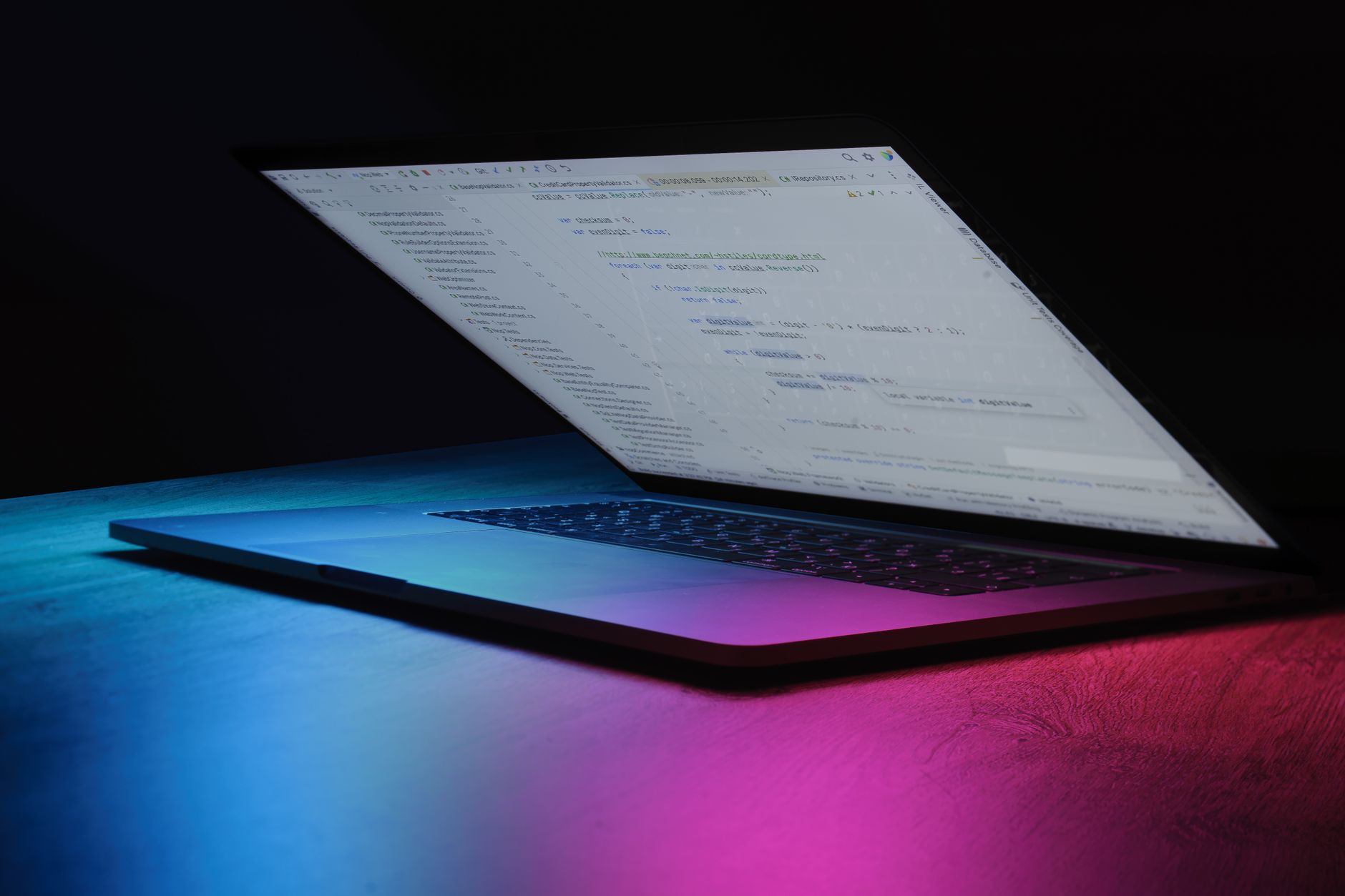
In an age where digital screens have become extensions of ourselves, from smartphones and tablets to laptops and giant flat-screen TVs, the conversation around their impact on our health has intensified. Central to this discourse is blue light – a segment of the visible electromagnetic spectrum that has garnered both scientific scrutiny and widespread public concern. As a senior editorial writer for biMoola.net, a publication dedicated to navigating the complexities of health technologies, I've spent years observing the evolving research in this field. This article aims to cut through the noise, offering a comprehensive, evidence-based review of what the latest science truly says about blue light exposure, its effects on sleep and eye health, and genuinely actionable strategies to mitigate potential risks. By the end, you'll possess a clearer understanding, grounded in expert insight, to make informed decisions about your digital habits.
The Electromagnetic Spectrum and Blue Light's Place
To understand blue light's impact, we first need to define it. The light we see is just a small portion of the electromagnetic (EM) spectrum, which ranges from radio waves to gamma rays. Visible light itself spans from red (longest wavelength, least energy) to violet (shortest wavelength, most energy). Blue light occupies a segment within this visible spectrum, specifically with wavelengths typically ranging from 400 to 500 nanometers (nm). It's a high-energy, short-wavelength light.
Our primary source of blue light is, and always has been, the sun. Sunlight is crucial for regulating our circadian rhythm, our internal 24-hour clock. During the day, blue light exposure from the sun signals to our bodies that it's daytime, promoting alertness and influencing a cascade of physiological processes. This natural exposure is vital for mood, cognitive function, and overall well-being. However, the concern arises with artificial sources of blue light, primarily from modern LED-backlit digital screens (smartphones, tablets, computers, TVs) and energy-efficient LED lighting. These devices emit a disproportionately higher amount of blue light compared to older incandescent bulbs, especially when viewed up close and for extended periods in the evening.
For context, consider that while a clear sunny day delivers tens of thousands of lux (a measure of illuminance) rich in blue light, a typical smartphone held 12 inches from the face can deliver several hundred lux, concentrated into a small field of view. While the absolute lux value is lower than direct sunlight, the proximity and duration of artificial evening exposure are what make it a point of scientific inquiry and concern.
How Blue Light Interacts with Our Biology: Circadian Rhythms and Melatonin
The core of blue light's biological impact lies in its influence on our circadian rhythm, our body's natural sleep-wake cycle. This intricate system is primarily regulated by light exposure, detected by specialized cells in our eyes called intrinsically photosensitive retinal ganglion cells (ipRGCs). These cells contain a photopigment called melanopsin, which is most sensitive to blue light wavelengths (peaking around 480 nm).
When these ipRGCs detect blue light, they send signals to the suprachiasmatic nucleus (SCN) in the hypothalamus, often referred to as the body's 'master clock.' The SCN, in turn, regulates the pineal gland's production of melatonin, a hormone critical for signaling the onset of night and facilitating sleep. During the day, blue light exposure suppresses melatonin production, keeping us awake and alert. As natural light diminishes in the evening, melatonin levels naturally rise, signaling to the body that it's time to prepare for sleep.
The problem arises when we introduce significant amounts of artificial blue light into our environment during the evening hours. Studies, such as a prominent one published in *Proceedings of the National Academy of Sciences (PNAS)* in 2011, have shown that exposure to short-wavelength light (blue light) in the evening can significantly suppress melatonin production and delay its release. This delay effectively pushes back our body's internal clock, making it harder to fall asleep, reducing sleep quality, and potentially shifting our entire sleep phase. A 2014 study in the same journal specifically compared reading on an e-reader emitting blue light versus a print book and found that participants using the e-reader took longer to fall asleep, had reduced evening melatonin levels, and reported feeling less alert the following morning.
This disruption isn't just about feeling tired. Chronic disruption of circadian rhythms can have far-reaching health consequences, including increased risks for metabolic disorders, cardiovascular disease, and certain mood disorders, as highlighted in reviews by institutions like the World Health Organization (WHO) when discussing shift work disorder. While artificial blue light from screens is not the sole cause of circadian disruption, it is a significant and modifiable factor in our modern, always-on society.
The Research Landscape: Sleep, Eye Strain, and Beyond
The scientific community has rigorously investigated the impact of blue light. It's crucial to differentiate between well-established effects, emerging areas of research, and unsubstantiated claims.
Sleep Disruption: A Robust Consensus
The most consistent and robust finding across numerous studies is blue light's impact on sleep. As detailed above, its melatonin-suppressing effects are well-documented. A meta-analysis published in the *Journal of Clinical Sleep Medicine* in 2017 reviewed multiple studies and concluded that evening exposure to light from electronic devices significantly impacts sleep latency and quality. Furthermore, a 2018 study in *Sleep Medicine Reviews* highlighted that even moderate levels of blue light can cause measurable circadian phase shifts. For adolescents, who are already prone to delayed sleep phases and heavy screen use, the impact can be particularly pronounced, as indicated by research published by the American Academy of Sleep Medicine in 2019.
Digital Eye Strain (DES): Complex Interactions
Digital Eye Strain, also known as Computer Vision Syndrome, is a common complaint among those who spend prolonged periods in front of screens. Symptoms include dry eyes, blurred vision, headaches, and neck/shoulder pain. While blue light is often cited as the culprit, the scientific consensus is that DES is multifactorial. Key contributors include:
- Reduced blink rate: Studies show we blink significantly less when concentrating on screens, leading to dry eyes.
- Poor ergonomics: Improper viewing distance, screen position, and posture.
- Uncorrected vision problems: Astigmatism or unaddressed presbyopia.
- Glare and contrast: Suboptimal screen settings or environmental lighting.
While blue light's role in DES is less direct than its role in sleep disruption, some theories suggest that the scattered nature of blue light (due to its short wavelength) can contribute to retinal glare and reduced visual contrast, potentially exacerbating strain. However, the primary drivers remain behavioral and environmental, not exclusively blue light's inherent properties. The American Academy of Ophthalmology (AAO) states that there's no scientific evidence that blue light from computer screens causes eye damage.
Retinal Damage and Macular Degeneration (AMD): The Debated Frontier
One of the most concerning claims is that blue light from screens can permanently damage the retina and contribute to age-related macular degeneration (AMD). This claim stems from early laboratory studies on isolated retinal cells or animal models exposed to *high-intensity, continuous* blue light, often far exceeding typical screen exposure levels. While these studies show that high-energy blue light *can* induce photoreceptor damage and oxidative stress, translating these findings directly to everyday screen use in humans is problematic.
The current consensus among leading ophthalmology organizations, including the AAO and the British Royal National Institute of Blind People, is that there is insufficient evidence to suggest that typical blue light exposure from digital screens causes irreversible retinal damage or contributes to AMD in humans. The intensity and duration of screen-emitted blue light are significantly lower than that of natural sunlight, which remains the primary environmental source of blue light exposure. While chronic, cumulative exposure over decades is a theoretical concern for some researchers, definitive clinical evidence linking artificial screen blue light to AMD is still lacking.
Comparative Blue Light Emissions (Illustrative Data)
Understanding the relative intensity of blue light from various sources can provide perspective. While exact values vary by device and environmental conditions, this table offers a general comparison of peak blue light emission and overall illuminance.
| Light Source | Dominant Wavelength Range (nm) | Illustrative Blue Light Percentage (of total visible light) | Typical Illuminance (Lux) at relevant distance |
|---|---|---|---|
| Clear Sunny Sky | ~450-490 nm | ~25-30% | 25,000 - 100,000+ |
| Cloudy Sky (Daytime) | ~450-490 nm | ~20-25% | 1,000 - 10,000 |
| LED Smartphone/Tablet (Max Brightness, 1ft distance) | ~450 nm (peak) | ~25-35% | 300 - 800 |
| LED Monitor (Max Brightness, 2ft distance) | ~450 nm (peak) | ~25-35% | 200 - 500 |
| Warm White LED Room Light (3000K, 6ft distance) | ~500-600 nm | ~10-15% | 50 - 200 |
| Incandescent Bulb (Old Technology) | ~580-700 nm | ~5-10% | 50 - 150 |
Note: These are illustrative values. Actual blue light output depends on specific device, brightness settings, color temperature, and viewing conditions. The key takeaway is the stark difference in overall intensity between natural outdoor light and artificial indoor screen light, even if the percentage of blue light in modern LEDs is comparable to or slightly higher than some natural conditions.
Navigating the Digital Age: Practical Strategies for Mitigation
Given the nuanced scientific findings, the emphasis shifts from fearing blue light to intelligently managing our exposure, especially in the evening. Here are actionable steps you can implement today:
-
Establish a 'Digital Sunset': The single most effective strategy for protecting your sleep is to avoid screens for at least 2-3 hours before bedtime. This allows your body's natural melatonin production to kick in unimpeded. If unavoidable, use blue light filtering software/modes (see below) and dim the screen significantly.
-
Optimize Your Environment:
- Daytime: Maximize natural light exposure. Spend time outdoors, especially in the morning. This helps set your circadian rhythm correctly for the day.
- Evening: Dim ambient room lighting as evening progresses. Switch to warmer (lower color temperature, e.g., 2700K-3000K) light bulbs in your bedroom and living areas. Avoid bright overhead lighting.
-
Practice the 20-20-20 Rule: For every 20 minutes of screen time, look at something 20 feet away for at least 20 seconds. This helps reduce digital eye strain by relaxing your eye muscles and encouraging blinking, which keeps your eyes moist.
-
Maintain Optimal Viewing Habits:
- Position your screen about an arm's length (20-28 inches) away from your eyes, with the top of the screen at or slightly below eye level.
- Adjust screen brightness to match your surrounding environment. Don't use a bright screen in a dark room.
- Increase text size to avoid squinting.
- Ensure good posture to prevent neck and back pain, which can indirectly contribute to overall discomfort and fatigue.
-
Prioritize Regular Breaks: Step away from your screen periodically, even if it's just for a few minutes. Stretch, walk around, or look out a window. This not only rests your eyes but also your mind.
Technological Solutions: Filters, Glasses, and Software Innovations
Beyond behavioral changes, technology itself offers tools to mitigate blue light exposure, particularly from screens:
-
Software-Based Blue Light Filters: Most modern operating systems (Windows 'Night Light,' macOS 'Night Shift,' Android 'Night Mode,' iOS 'Night Shift') offer built-in features that reduce the amount of blue light emitted by the screen, typically by shifting the color temperature to a warmer, more yellow hue. These features are highly effective at reducing blue light and should be activated in the evening, ideally starting a few hours before bed. Setting them to activate automatically can ensure consistent application.
-
Hardware-Based Blue Light Filtering:
- Screen Protectors: Numerous screen protectors for phones, tablets, and monitors claim to filter blue light. While they do reduce some blue light, their effectiveness varies, and some can alter color perception significantly.
- Monitors with Low Blue Light Modes: Many newer monitors come with integrated 'low blue light' modes that reduce the blue light spectrum at the hardware level, often with less color shift than software solutions.
-
Blue Light Filtering Glasses: These glasses typically have lenses that are either slightly yellow/amber tinted or have a special coating designed to block blue light. For sleep, particularly amber-tinted glasses that block a broader spectrum of blue light (up to 500-550 nm) have shown efficacy in improving sleep in studies, such as a 2015 pilot study in the *Journal of Adolescent Health*. However, the effectiveness of clear or lightly tinted blue light glasses for general eye protection during the day or for preventing eye strain is largely unproven by robust clinical trials. The AAO states there's no scientific evidence that blue light glasses prevent digital eye strain or retinal damage. They might offer a placebo effect or help with minor glare, but their primary benefit, if any, is tied to sleep modulation when used in the evening.
It's important to use these technologies judiciously. While software filters are generally recommended for evening use, relying solely on blue light glasses without addressing underlying habits (like late-night screen use) may not yield desired results.
Beyond the Hype: A Balanced Perspective on Blue Light Exposure
The narrative surrounding blue light often veers into alarmism, which overlooks the crucial distinction between natural and artificial sources, and the time of day exposure occurs. Blue light is not inherently evil; it's a fundamental component of natural daylight, essential for our health. Without sufficient daytime blue light exposure, our circadian rhythm can become desynchronized, leading to sleep issues and other health problems. For instance, winter blues or Seasonal Affective Disorder (SAD) can be linked to a lack of bright, blue-rich light exposure during shorter daylight hours, where light therapy (often blue-enriched) is a common treatment.
The genuine concern lies in the timing and duration of *artificial* blue light exposure, particularly from screens, in the hours leading up to sleep. It's about respecting our ancient biology in a modern digital world. Many of the symptoms attributed solely to 'blue light damage' are more accurately categorized as 'excessive screen time' issues, encompassing factors like reduced blinking, poor posture, and cognitive overstimulation.
As a 2020 review in *Nature Human Behaviour* articulated, while blue light's role in circadian disruption is undeniable, its direct link to irreversible retinal damage from typical screen use remains highly debated and largely unsubstantiated by clinical evidence. The emphasis should be on smart screen hygiene, mindful usage, and maintaining a healthy balance between digital engagement and natural light exposure. Embracing digital tools during the day for productivity and creativity, while consciously winding down in the evening with less stimulating, blue-light-reduced environments, is the intelligent path forward.
Key Takeaways
- Blue light from screens suppresses melatonin and disrupts sleep: This is the most scientifically robust finding. Avoid screens 2-3 hours before bed or use blue light filters diligently in the evening.
- Digital Eye Strain is multifactorial, not just blue light: Poor blinking, ergonomics, and uncorrected vision are primary culprits. Practice the 20-20-20 rule and optimize your viewing environment.
- Evidence for retinal damage from screen blue light is weak: Leading ophthalmology bodies state typical screen use is unlikely to cause permanent eye damage or AMD. Natural sunlight is a far greater source of blue light.
- Daytime blue light is beneficial: Ensure adequate exposure to natural daylight to support a healthy circadian rhythm and overall well-being.
- Implement practical, actionable strategies: Use software-based blue light filters, dim screens, maintain good viewing habits, and prioritize a 'digital sunset' for optimal health benefits.
Expert Analysis: Our Take
As we navigate an increasingly digital world, the discourse around blue light serves as a microcosm for the broader challenges of integrating technology responsibly into our lives. From our vantage point at biMoola.net, the true expertise lies not in simply echoing the loudest headlines, but in discerning nuanced scientific consensus from sensationalized claims. What the comprehensive research unequivocally tells us is that our ancient biology, finely tuned over millennia by the sun's rhythm, struggles to adapt to the relentless blue-light emissions of modern screens after dusk. This isn't a minor inconvenience; it's a fundamental disruption to our sleep architecture, with cascading effects on everything from cognitive function and mood to metabolic health.
However, it's equally crucial to avoid the trap of demonizing blue light entirely. It's a vital component of natural daylight, necessary for alertness, mood regulation, and circadian synchronization. The problem is one of context and timing. Our editorial perspective emphasizes a balanced, pragmatic approach: leverage blue light during the day to optimize alertness and productivity, and consciously minimize it in the evening to protect restorative sleep. The solutions aren't necessarily about abstaining from technology, but about applying intelligent digital hygiene and embracing the protective tools already at our disposal, from device settings to simple behavioral shifts.
Ultimately, the conversation needs to move beyond fear-mongering about 'eye damage' – which remains largely unsubstantiated for typical screen use – and focus squarely on the undeniable impact on sleep and overall well-being. By integrating the latest scientific understanding with actionable, easy-to-implement strategies, we can empower individuals to reclaim control over their digital lives, fostering healthier habits without sacrificing the immense benefits that technology brings. It's about conscious curation of our light environment, not technological avoidance.
Frequently Asked Questions
Q: Is all blue light bad for me?
A: No, absolutely not. Blue light, primarily from the sun, is crucial for regulating your circadian rhythm, boosting alertness, and improving mood during the daytime. The concern is specifically with artificial blue light exposure from screens during the evening hours, which can suppress melatonin production and disrupt sleep.
Q: Do blue light blocking glasses actually work?
A: For improving sleep when worn in the evening, amber-tinted blue light blocking glasses (which filter a broader spectrum of blue light) have shown some efficacy in studies by reducing melatonin suppression. However, for general eye protection or preventing digital eye strain during the day, there's currently insufficient scientific evidence from leading ophthalmology bodies to support their widespread use or claims of significant benefit.
Q: How long before bed should I avoid screens?
A: For optimal sleep health, it is generally recommended to avoid screens (smartphones, tablets, computers, TVs) for at least 2-3 hours before your intended bedtime. This allows your body's natural melatonin production to increase without disruption, signaling to your body that it's time to prepare for sleep.
Q: Can blue light from screens permanently damage my eyes or cause blindness?
A: Current scientific consensus from major ophthalmological organizations (like the American Academy of Ophthalmology) indicates that typical blue light exposure from digital screens does not cause permanent eye damage, increase the risk of age-related macular degeneration (AMD), or lead to blindness. While high-intensity blue light can be harmful in laboratory settings, the levels emitted by screens are significantly lower than natural sunlight.
Sources & Further Reading
- Harvard Health Publishing — Blue light has a dark side
- Proceedings of the National Academy of Sciences (PNAS) — Evening use of light-emitting eReaders negatively affects sleep, circadian timing, and next-morning alertness
- American Academy of Ophthalmology (AAO) — Are Blue Light-Blocking Glasses Worth It?
- Journal of Clinical Sleep Medicine — The Effects of Electronic Device Use Before Bed on Sleep and Health: A Systematic Review. (Specific DOI/PMC ID varies by individual study, but accessible via PubMed search for general review.)
- Nature Human Behaviour — The effect of screen light on human health: The good, the bad and the ugly. (2020)
Disclaimer: For informational purposes only. Always consult a qualified healthcare professional.
Comments (0)
To comment, please login or register.
No comments yet. Be the first to comment!