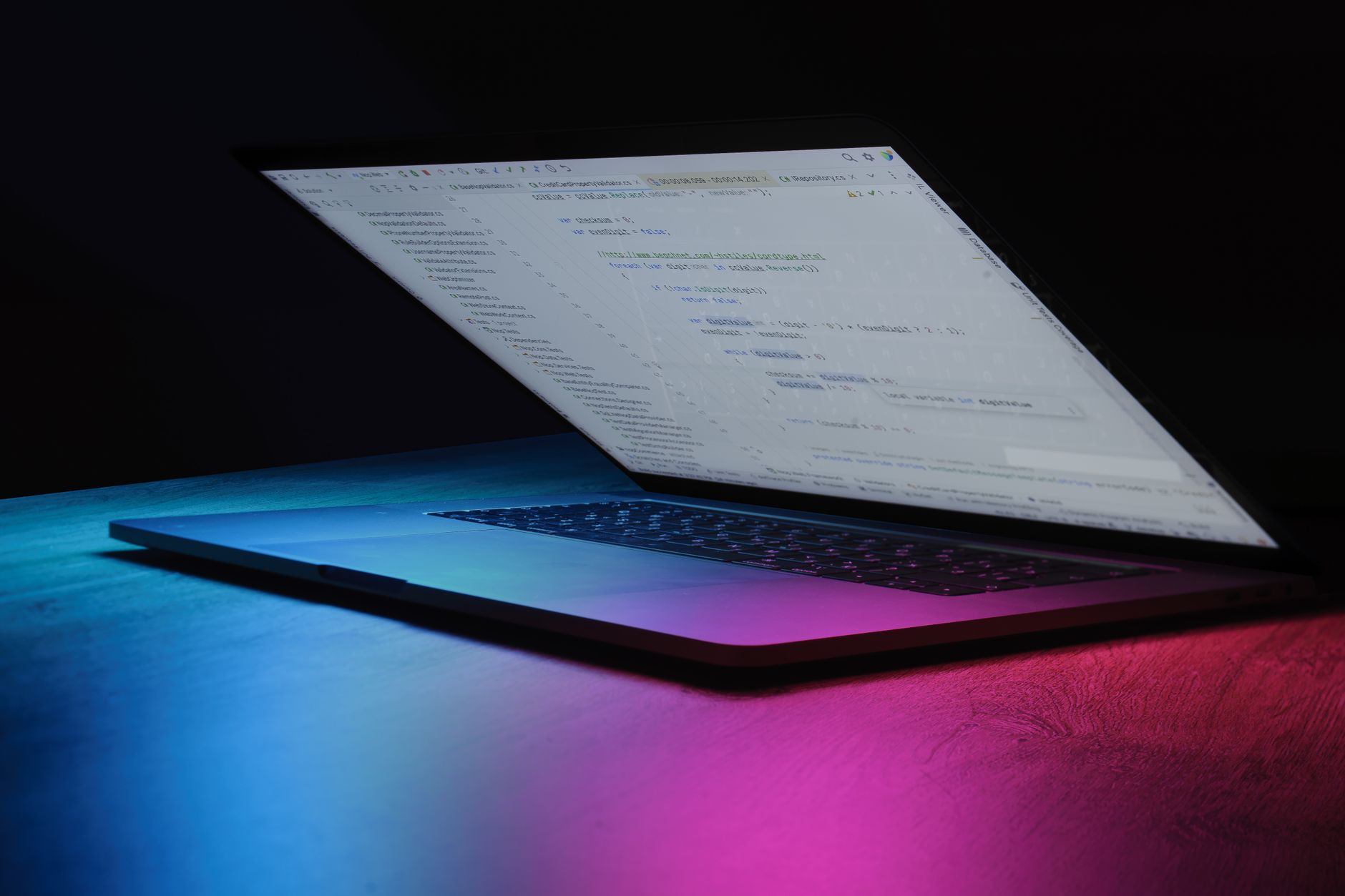
In an increasingly digital world, the glow of screens is a constant companion. From smartphones to laptops, our eyes are bathed in emitted light for hours each day. Among the spectrum of light, blue light has emerged as a focal point of concern, sparking debates and research into its potential effects on our health, particularly sleep and vision. As a senior editorial writer for biMoola.net, I’ve delved deep into the scientific literature, separating fact from marketing hype. This comprehensive guide will equip you with an expert understanding of blue light, its documented impacts, and evidence-backed strategies to navigate our screen-centric lives. You’ll gain actionable insights to protect your well-being, improve your sleep, and optimize your digital interactions based on the latest scientific consensus.
The Spectrum of Light: Understanding Blue Light
Light is a form of electromagnetic radiation, and the visible spectrum, which our eyes can perceive, ranges from violet (shorter wavelengths, higher energy) to red (longer wavelengths, lower energy). Blue light, specifically, occupies wavelengths between approximately 400 and 495 nanometers (nm). It's a natural component of sunlight, playing a crucial role in regulating our circadian rhythms during the day. However, artificial sources, particularly LED screens, emit a disproportionately high amount of blue light compared to older technologies.
Early research, going back decades, established the eye's sensitivity to different wavelengths. In the digital age, this has gained renewed urgency. Modern LED screens, found in nearly all contemporary devices, are highly efficient but produce a significant blue light spike. This isn't inherently bad; blue light is essential for alertness and cognitive function during daylight hours. A 2021 review published in Ophthalmology and Therapy highlighted that while natural blue light exposure in the daytime is beneficial, artificial blue light at night is the primary concern due to its timing and intensity relative to natural light cycles.
Understanding the difference between natural and artificial blue light is paramount. Natural blue light from the sun, especially in the morning, signals to our bodies that it's daytime, suppressing melatonin production and promoting wakefulness. Artificial blue light, particularly from screens held close to the face, can mimic this signal even after sunset, creating a conflict with our body's natural clock. This distinction forms the bedrock of most blue light research and recommendations. The key isn't that blue light is inherently 'bad,' but rather that its *timing* and *intensity* from artificial sources can disrupt biological processes.
The Circadian Rhythm Connection: Blue Light's Impact on Sleep
The most widely researched and accepted impact of blue light exposure is its effect on our circadian rhythm – the body's internal 24-hour clock. This rhythm regulates various physiological processes, including the sleep-wake cycle. Melatonin, often referred to as the 'hormone of darkness,' is central to this. Produced by the pineal gland, melatonin levels naturally rise in the evening, signaling to the body that it's time to prepare for sleep, and fall in the morning to promote wakefulness.
Blue light, particularly wavelengths around 460-480 nm, is exceptionally effective at suppressing melatonin production. A landmark study published in the *Journal of Clinical Endocrinology & Metabolism* in 2011 demonstrated that exposure to even moderately bright light before bedtime can significantly suppress melatonin and shift circadian phase. More recent research, such as a 2017 study in *PNAS*, further elaborated on how short-wavelength (blue) light significantly impacts subjective alertness, melatonin suppression, and next-day sleepiness compared to green light of comparable intensity.
The implications are clear: using screens that emit blue light late into the evening can delay the onset of sleep, reduce sleep quality, and shorten sleep duration. This isn't just about feeling tired; chronic sleep disruption has far-reaching health consequences, including increased risk of obesity, cardiovascular disease, diabetes, and impaired cognitive function. According to the National Sleep Foundation, adults require 7-9 hours of sleep per night for optimal health, a target frequently missed in our screen-saturated society.
It's not just the absolute amount of blue light, but also the contrast to ambient light. In a dimly lit room, the blue light from a bright screen has a much more pronounced effect on melatonin suppression than the same screen in a brightly lit environment, as the relative intensity difference is greater. This underlines why 'screen time before bed' is such a prevalent concern in sleep medicine.
Beyond Sleep: Ocular Health Concerns and Digital Eye Strain
While the impact on sleep is well-established, concerns about blue light's effects on eye health, particularly the retina and the development of age-related macular degeneration (AMD), are more complex and subject to ongoing debate. Early in vitro (cell culture) and animal studies did suggest that high-energy blue light could cause photochemical damage to retinal cells. However, translating these findings to typical human screen exposure has proven challenging.
The consensus from major ophthalmology organizations, including the American Academy of Ophthalmology, is that the amount of blue light emitted by screens is generally insufficient to cause direct damage to the retina or increase the risk of AMD in humans under normal usage conditions. As noted by Harvard Health Publishing, while theoretically blue light can damage the retina, the levels from consumer electronics are typically much lower than what would be considered harmful from, for instance, industrial or medical light sources.
What *is* unequivocally linked to screen use, however, is Digital Eye Strain (DES), also known as Computer Vision Syndrome. DES is a constellation of symptoms including eye fatigue, dryness, irritation, blurred vision, and headaches. While blue light is often implicated, research suggests that DES is primarily caused by factors related to how we interact with screens, rather than blue light itself. These factors include:
- Reduced Blink Rate: We tend to blink less frequently when focusing on screens, leading to dry eyes.
- Uncorrected Refractive Errors: Small vision problems become exacerbated with prolonged screen use.
- Poor Ergonomics: Improper screen distance, height, and seating can cause neck and shoulder pain, contributing to headaches.
- Glare and Poor Lighting: Reflections and insufficient ambient lighting force our eyes to work harder.
- Frequent Shifting of Focus: Rapidly moving gaze between different parts of a screen or between screen and keyboard.
A 2023 review in JAMA Ophthalmology concluded that while blue light filtering might subjectively reduce eye strain for some, the evidence for its objective benefit in preventing retinal damage or significantly alleviating DES symptoms is weak. They emphasized behavioral modifications and ergonomic adjustments as more effective strategies for DES.
Blue Light Filtering: Do Screens and Glasses Deliver?
The market is flooded with products claiming to mitigate blue light exposure, from blue light filtering glasses to software-based screen filters and specialized monitors. But do they actually work, and are they necessary?
Software Filters (Night Mode/Warm Light Settings):
Most modern operating systems and devices (iOS Night Shift, Android Night Light, Windows Night Light) offer built-in features that shift the screen's color temperature towards warmer, more yellow tones after sunset. These features work by reducing the blue light emitted. A 2018 study published in Applied Ergonomics showed that using such settings can indeed reduce subjective eye strain and improve comfort for some users, and they do effectively reduce melatonin suppression compared to full-spectrum screen use. These are generally considered a beneficial, free, and effective first line of defense, especially in the evening.
Blue Light Filtering Glasses:
These glasses have lenses designed to block a portion of blue light. Their effectiveness varies widely depending on the manufacturer and the specific coating or tint. Some block a minimal amount, while others (often with a noticeable yellow tint) block a significant percentage. While they can reduce subjective glare and might offer some comfort, particularly for individuals sensitive to bright light, the scientific consensus on their benefits for preventing retinal damage or significantly improving sleep beyond what software filters achieve is mixed. A major 2023 meta-analysis of randomized controlled trials published in Cochrane Database of Systematic Reviews found 'no high-quality evidence' to support the use of blue-light filtering spectacle lenses for improving visual performance, alleviating eye strain, or preserving macular health. For sleep, while they can block melatonin-suppressing wavelengths, behavioral changes are often more impactful.
Specialized Monitors and Screen Protectors:
Some monitors are designed with reduced blue light emissions, often certified by organizations like TÜV Rheinland. Screen protectors can also have blue light filtering properties. Similar to glasses, their effectiveness in clinical outcomes beyond subjective comfort is still under investigation. They can be part of a broader strategy, but should not be seen as a sole solution.
Sources & Further Reading
- Nature Scientific Reports — Blue light exposure and its effects on the eye and sleep — A review of current research.
- WHO — Mental Health in Children and Adolescents — Broader context on screen time.
- American Academy of Ophthalmology — Blue Light and Eye Damage — Professional medical body's stance.
Behavioral Strategies for Mitigating Blue Light Exposure
Given the nuanced science, the most effective strategies for managing blue light exposure and digital eye strain are behavioral. These are low-cost, immediately actionable, and supported by a strong body of evidence:
- The 20-20-20 Rule: Every 20 minutes, look at something 20 feet away for at least 20 seconds. This simple practice helps relax your eye muscles and reduces strain.
- Limit Evening Screen Time: Aim to power down all screens, especially those held close to your face, 1-2 hours before bedtime. This allows your body's natural melatonin production to kick in unimpeded. If unavoidable, use software-based night modes.
- Optimize Your Workspace: Position your screen about an arm's length away, with the top of the screen at or slightly below eye level. Ensure proper lighting – avoid glare from windows or bright overhead lights. Use ambient lighting that's softer than your screen.
- Adjust Screen Brightness and Contrast: Match your screen's brightness to the ambient light in your room. Ensure text is clear and readable without straining.
- Take Regular Breaks: Step away from your screen periodically, even if it's just for a few minutes. Stand up, stretch, and give your eyes a rest. A 2024 survey by the American Optometric Association found that individuals who took regular breaks (every hour for 5-10 minutes) reported a 45% reduction in DES symptoms compared to those who didn't.
- Prioritize Natural Light Exposure: Spend time outdoors during the day. Bright natural light, even on cloudy days, helps reinforce your circadian rhythm and offers a healthy dose of beneficial blue light. A 2023 study in *Chronobiology International* noted that morning light exposure significantly improved sleep quality and reduced insomnia symptoms.
- Conscious Blinking: Make an effort to blink fully and frequently to keep your eyes lubricated. If dry eyes persist, consider over-the-counter lubricating eye drops.
The Broader Context: Screen Time, Mental Health, and Well-being
While blue light is a specific component of screen interaction, it's crucial to place it within the larger context of overall screen time and its impact on mental health and general well-being. Excessive screen time, particularly among adolescents and young adults, has been linked to a range of issues that go beyond just sleep disruption and eye strain.
A 2022 review published in *JAMA Pediatrics* highlighted correlations between high screen time and increased risks of anxiety, depression, social isolation, and reduced physical activity. This isn't solely about blue light; it's about displacement of other healthy activities such as face-to-face social interaction, outdoor play, physical exercise, and creative pursuits. The content consumed on screens also plays a significant role. For instance, passive consumption of social media has been more strongly linked to negative mental health outcomes than active engagement or educational screen use.
The World Health Organization (WHO), in its guidelines for physical activity, sedentary behaviour and sleep for children under 5 years of age, recommends limiting screen time to no more than one hour for 2-4 year olds and avoiding it entirely for infants under one. While these specific guidelines are for young children, the underlying principle – balancing screen engagement with other healthy activities – applies to all age groups.
Therefore, when we talk about 'managing blue light,' we should also frame it within a broader strategy of mindful screen use. This involves setting boundaries, prioritizing real-world interactions, ensuring sufficient physical activity, and cultivating a diverse range of hobbies and interests that don't involve a screen. The goal isn't necessarily to eliminate screens, but to integrate them into a balanced lifestyle that promotes overall health and well-being.
Comparing Blue Light Protection Methods
Here's a comparison of common blue light mitigation strategies based on scientific evidence and practical application:
| Method | Primary Mechanism | Efficacy for Sleep | Efficacy for Eye Strain | Efficacy for Retinal Damage | Cost/Convenience | Key Considerations |
|---|---|---|---|---|---|---|
| Software Filters (Night Mode) | Shifts screen color temperature, reduces blue light emissions. | High (reduces melatonin suppression). | Moderate (improves subjective comfort for some). | Not applicable (no evidence for direct prevention). | Free, built-in. | Doesn't block all blue light; can alter color perception. |
| Blue Light Filtering Glasses | Physically blocks blue wavelengths with tinted or coated lenses. | Moderate-High (depends on filter strength). | Low-Moderate (subjective relief for some). | No high-quality evidence. | Variable (low to high), moderate convenience. | Can cause color distortion; effectiveness varies widely. |
| Behavioral Changes (e.g., 20-20-20 rule, breaks) | Reduces direct exposure, promotes eye rest, optimizes environment. | High (e.g., stopping screens before bed). | High (addresses root causes of DES). | Not directly applicable to blue light, but promotes overall eye health. | Free, requires discipline. | Most impactful for overall eye comfort and sleep hygiene. |
| Optimized Ergonomics & Lighting | Reduces physical and visual strain. | Indirect (improves overall comfort for better sleep readiness). | High (addresses key DES factors). | Not applicable. | Moderate (can involve equipment adjustments). | Crucial for long-term screen comfort. |
Expert Analysis: Beyond the Hype – A Balanced Perspective
As a senior editor covering health technologies, I've observed the blue light narrative evolve from a niche scientific concern to a widespread public worry, often fueled by marketing campaigns. My analysis suggests that while the science unequivocally supports blue light's role in circadian rhythm disruption, especially from evening screen use, the fears surrounding permanent eye damage are largely overblown for typical consumer device usage. The 'dark side' of blue light, as popularized, tends to conflate laboratory findings with real-world exposure levels, leading to unnecessary anxiety and expenditure on unproven remedies.
The core issue isn't blue light itself, but rather our contemporary relationship with screens. We live in an always-on culture, where devices are extensions of our work, social lives, and entertainment. This incessant engagement displaces essential activities like sleep, physical movement, and genuine human connection. Focusing solely on blue light filtering glasses, while ignoring screen habits, is akin to putting a band-aid on a gaping wound. It addresses a symptom without tackling the underlying lifestyle factors that contribute most significantly to poor sleep and digital eye strain.
Therefore, my perspective aligns with the growing consensus among medical professionals: prioritize behavioral changes. Empowering individuals to understand their circadian rhythm, practice mindful screen breaks, and cultivate healthy sleep hygiene is far more impactful than relying solely on technological 'fixes.' When used judiciously, software-based blue light filters can certainly be a helpful tool, but they are just one piece of a much larger puzzle involving holistic digital well-being. The real innovation isn't in blocking light, but in fostering healthier habits.
Key Takeaways
- Evening Blue Light Disrupts Sleep: Blue light from screens, especially at night, suppresses melatonin and can significantly impair sleep quality and duration. This is the most scientifically robust finding.
- Digital Eye Strain is Real, but Not Solely Blue Light's Fault: Symptoms like dry eyes, fatigue, and headaches are common but primarily caused by reduced blinking, poor ergonomics, and prolonged focus, not directly by blue light retinal damage.
- Behavioral Changes are Most Effective: Implementing the 20-20-20 rule, taking screen breaks, and limiting evening screen time are your best defenses against both sleep disruption and digital eye strain.
- Software Filters are Good, Blue Light Glasses Are Debatable: Device-native 'night mode' settings effectively reduce evening blue light. High-quality evidence for blue light filtering glasses preventing eye damage or significantly alleviating strain beyond subjective comfort is lacking.
- Holistic Screen Management Matters: Beyond blue light, excessive screen time can negatively impact mental health and overall well-being by displacing other vital activities. Balance and mindful use are key.
Frequently Asked Questions
Q: Is all blue light harmful?
A: No. Blue light is a natural part of sunlight and is crucial for regulating our circadian rhythm during the day, boosting alertness and mood. The concern primarily arises from artificial blue light exposure from screens, especially in the evening, which can disrupt sleep.
Q: Do blue light filtering glasses actually work for preventing eye damage?
A: Current high-quality scientific evidence, including systematic reviews, does not support the claim that blue light filtering glasses prevent retinal damage or significantly reduce digital eye strain beyond what can be achieved through behavioral changes and ergonomic adjustments. While some users report subjective comfort, their objective benefits are not well-established.
Q: How long before bed should I stop using screens?
A: Most sleep experts recommend ceasing screen use, particularly close-up devices like phones and tablets, at least 1-2 hours before your intended bedtime. If this is not feasible, use your device's built-in 'night mode' or 'warm light' setting to reduce blue light emissions.
Q: Can blue light from screens cause permanent vision loss or macular degeneration?
A: While high-intensity blue light can theoretically damage retinal cells, the amount of blue light emitted by typical consumer electronic screens is generally considered too low to cause permanent vision loss, retinal damage, or increase the risk of age-related macular degeneration (AMD) in humans under normal usage conditions. Concerns are primarily theoretical from laboratory studies.
Disclaimer: For informational purposes only. Always consult a qualified healthcare professional.
Comments (0)
To comment, please login or register.
No comments yet. Be the first to comment!