In an era defined by glowing screens, from smartphones to laptops, understanding the true impact of blue light on our health has become paramount. Far from being mere background radiation, this segment of the visible light spectrum plays a critical role in our biology, yet its artificial abundance in our modern lives raises legitimate concerns. As a senior editorial writer for biMoola.net, a trusted source for insights into Health Technologies, I’ve delved deep into the scientific literature to cut through the noise. This comprehensive article aims to demystify the actual science behind blue light exposure and screen time, dissect common myths, and provide you with actionable, expert-backed strategies to safeguard your sleep, ocular health, and overall well-being. Prepare to gain a nuanced understanding rooted in the latest research, equipping you with the knowledge to navigate our digital world more healthily.
The Invisible Spectrum: Decoding Blue Light's Nature and Sources
To truly grasp the effects of blue light, we must first understand what it is. Blue light is a part of the visible light spectrum, characterized by short wavelengths (approximately 400-500 nanometers) and high energy. Naturally, the sun is the most significant source of blue light, and for millennia, our bodies evolved to rely on this daytime exposure. It signals to our brains that it's daytime, influencing everything from alertness to mood and our fundamental sleep-wake cycle.
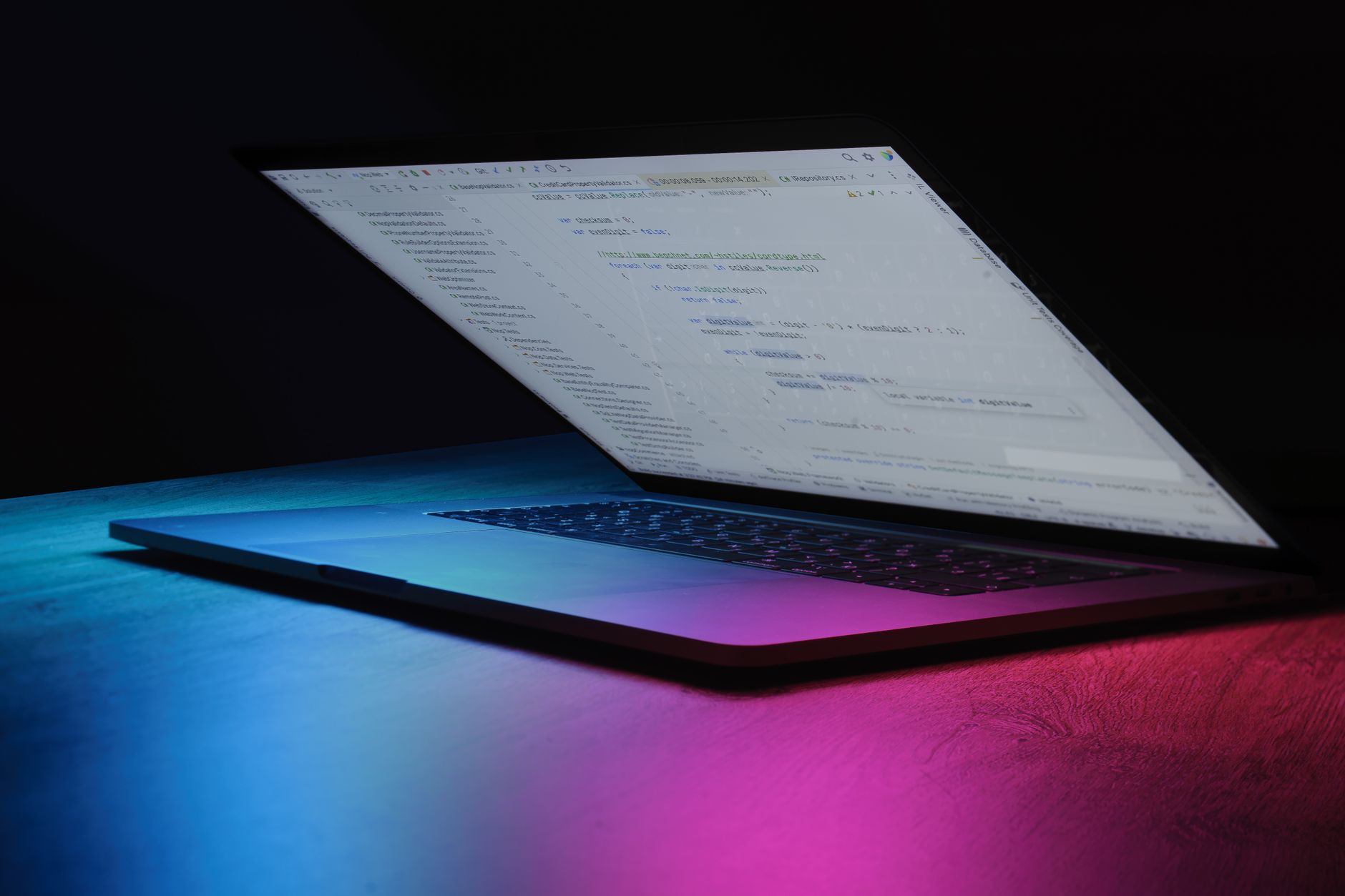
However, the advent of digital technology has introduced a novel and pervasive source: electronic screens. LEDs (light-emitting diodes) in smartphones, tablets, computers, and flat-screen televisions emit a disproportionately high amount of blue light compared to older incandescent light sources. While the intensity from screens is significantly lower than direct sunlight, the proximity and duration of our exposure, particularly during evening hours, are unprecedented.
Consider the average adult's daily screen time. A 2023 Nielsen Total Audience Report indicated that U.S. adults spent, on average, over 7 hours and 4 minutes per day interacting with digital content across various devices. For younger demographics, this number is often higher. This sustained, close-range exposure, particularly after dusk when our bodies naturally expect darkness, is where the scientific debate and health concerns truly begin. Unlike the sun's blue light which is broad-spectrum and accompanied by other wavelengths, screen blue light can be more concentrated in a narrow band, potentially impacting specific photoreceptors in the eye. Understanding this distinction between natural, beneficial blue light and artificial, potentially disruptive blue light is crucial for a balanced perspective.
Blue Light's Deep Dive: Circadian Rhythms, Melatonin, and Sleep Architecture
The most well-established and concerning impact of artificial blue light exposure, particularly in the evening, is its disruption of our circadian rhythm. The circadian rhythm is our internal 24-hour clock, governing numerous physiological processes, most notably the sleep-wake cycle. Central to this is the hormone melatonin.
Melatonin, often dubbed the 'sleep hormone,' is primarily produced by the pineal gland in the brain. Its secretion naturally increases in the evening as darkness falls, signaling to the body that it's time to wind down and prepare for sleep. Blue light, specifically, is a potent suppressor of melatonin production. Specialized light-sensitive cells in the retina, called intrinsically photosensitive retinal ganglion cells (ipRGCs), are particularly sensitive to blue wavelengths. When these cells detect blue light, they send signals to the brain that inhibit melatonin release, effectively telling the body it's still daytime.
A seminal 2014 study published by Harvard Medical School researchers illustrated this powerfully. Participants exposed to 6.5 hours of blue light in the evening experienced a significant suppression of melatonin, nearly twice as long as those exposed to green light of comparable brightness. This suppression delayed the onset of sleep by an average of 3 hours and significantly reduced REM sleep. Further research, including a 2017 meta-analysis in *Chronobiology International*, consistently demonstrates that evening exposure to blue light from electronic devices leads to longer sleep latency (time taken to fall asleep), reduced total sleep duration, and decreased sleep quality, often characterized by more awakenings.
The long-term consequences of chronic circadian disruption extend beyond mere tiredness. The World Health Organization (WHO) has recognized shift work that involves circadian disruption as a probable carcinogen. While screen time is not shift work, consistent melatonin suppression can lead to a cascade of health issues, including increased risk of obesity, metabolic syndrome, cardiovascular disease, and impaired cognitive function. It's not just about falling asleep, but about the profound quality and restorative power of that sleep, which blue light can fundamentally undermine.
Beyond the Bedtime Battle: Ocular Health, Mental Well-being, and Controversies
While sleep disruption remains the most prominent concern, the discussion around blue light often ventures into other potential health impacts, particularly concerning ocular health and mental well-being. This is where scientific nuance becomes critical, separating substantiated claims from speculative fears.
Ocular Health: Eyestrain vs. Retinal Damage
Many people report digital eye strain (DES) or computer vision syndrome after prolonged screen use. Symptoms include dry eyes, blurred vision, headaches, and neck pain. While blue light *can* contribute to DES by causing glare and reducing contrast, leading to eye muscle fatigue, it's not the sole culprit. Factors like infrequent blinking, improper viewing distance, poor posture, and uncorrected refractive errors play significant roles. The American Academy of Ophthalmology (AAO) states that digital eye strain is primarily caused by how we use our digital devices, not by the blue light coming from them.
The more contentious claim involves irreversible retinal damage. Laboratory studies, often conducted on cell cultures or animal models (e.g., a 2018 study in *Nature Neuroscience* showing blue light-induced oxidative stress in retinal cells), have demonstrated that high-intensity blue light can damage retinal photoreceptors. However, applying these findings directly to human screen use is problematic. The intensity and duration of blue light exposure in these lab settings are typically orders of magnitude higher than what humans receive from typical screens. The human eye has natural protective mechanisms, including the lens and macular pigment, which filter out a significant portion of blue light before it reaches the retina. The AAO maintains there is no scientific evidence that blue light from digital screens causes permanent eye damage in humans. It's crucial to differentiate between the theoretical potential in extreme lab conditions and the real-world implications of typical screen exposure.
Mental Well-being
The impact on mental health is often indirect but significant. Poor sleep, a direct consequence of blue light-induced circadian disruption, is a known risk factor for depression, anxiety, and impaired mood regulation. A 2020 review in *Current Sleep Medicine Reports* highlighted the bidirectional relationship between sleep and mental health, underscoring how disturbed sleep can exacerbate mental health conditions. While blue light isn't a direct cause of these disorders, its role in disrupting a foundational aspect of health – sleep – makes it a relevant factor in the broader mental health conversation. Furthermore, excessive screen time itself, regardless of blue light, can contribute to social isolation, comparison anxiety, and addiction, all of which impact mental well-being.
Strategic Screen Management: Implementing Healthy Digital Habits Today
Given the pervasive nature of screens and the substantiated risks, implementing proactive strategies is not just advisable, but essential. Here are actionable steps you can take starting today, grounded in expert recommendations:
- The 'Digital Sunset' Rule: This is arguably the most impactful strategy. Aim to power down all electronic devices (especially those held close to the face like phones and tablets) at least 1-2 hours before your intended bedtime. If this isn't feasible, switch to 'Night Mode' or 'Warm Light' settings, which filter out blue wavelengths, or wear blue-light-blocking glasses. This allows your body's natural melatonin production to commence unimpeded.
- Optimize Your Screen Environment:
- 20-20-20 Rule: To combat digital eye strain, every 20 minutes, look at something 20 feet away for at least 20 seconds. This relaxes your eye muscles and encourages blinking.
- Proper Positioning: Position your screen about an arm's length away, with the top of the screen at or slightly below eye level. This reduces neck strain and optimizes viewing angles.
- Adjust Brightness: Match your screen brightness to the ambient light in the room. A too-bright screen in a dark room is especially detrimental.
- Leverage In-Built Filters and Software: Modern operating systems (iOS Night Shift, Android Night Light, Windows Night Light, macOS Night Shift) offer integrated blue light filtering that automatically activates in the evening. Utilize these features. Desktop software like f.lux also provides advanced customization for blue light reduction.
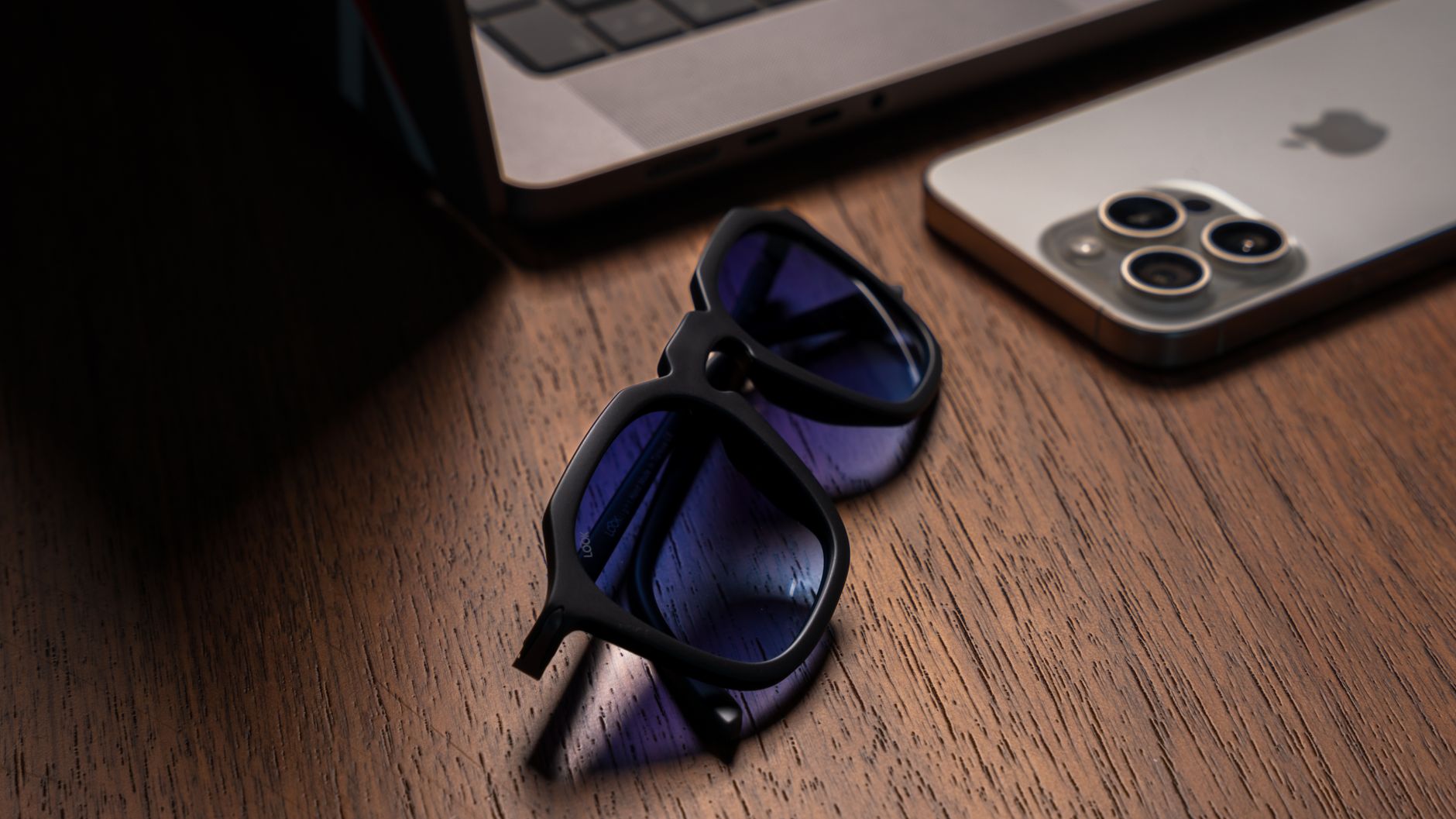
- Consider Blue Light Filtering Glasses: For those who must use screens late into the evening, blue light filtering glasses can be beneficial. Look for glasses that block a significant percentage (e.g., 60-90%) of blue light in the 400-480 nm range. While their effectiveness varies, high-quality amber-tinted lenses are generally more effective than clear ones for evening use, as they block more of the problematic wavelengths.
- Prioritize Daytime Natural Light Exposure: Counterintuitively, maximizing your exposure to natural light during the day can strengthen your circadian rhythm, making it more resilient to evening blue light disruption. Spend time outdoors, open blinds, and consider using a light therapy lamp in the morning if natural light is scarce.
- Mindful Screen Breaks: Integrate regular, short breaks away from screens throughout your day. Use these breaks to walk, stretch, or simply rest your eyes. This isn't just about blue light; it's about overall well-being and reducing sedentary behavior.
Tech Innovations & Smart Choices: Tools for a Blue Light-Balanced Life
The tech industry has responded to the growing awareness of blue light's impact, offering a variety of solutions designed to mitigate its effects. Understanding these innovations and making smart choices can significantly aid in balancing our digital lives.
Display Technologies
- Hardware-Level Blue Light Reduction: Some newer monitors and mobile devices are designed with panels that inherently emit less blue light without significantly altering color accuracy. These often carry certifications from organizations like TÜV Rheinland for low blue light emission.
- E-Ink Displays: Devices like e-readers utilize E-Ink technology, which reflects ambient light rather than emitting its own. This drastically reduces blue light exposure, making them ideal for reading, especially before bed.
- Dynamic Backlighting & Adaptive Tone: Features like Apple's True Tone or similar adaptive display technologies adjust the screen's white balance and brightness based on ambient lighting, aiming for a more natural viewing experience that can indirectly reduce blue light intensity in certain conditions.
Software Solutions
As mentioned, most operating systems now include built-in 'Night Mode' or 'Warm Light' settings. These are software-based filters that shift the color temperature of your screen towards the warmer, redder end of the spectrum, effectively reducing the emission of blue light. While not as potent as dedicated amber glasses, they are a convenient and free first line of defense. Third-party applications like f.lux (for desktop) offer more granular control over these settings, allowing users to customize their blue light reduction schedule and intensity.
Blue Light Filtering Eyewear
The market for blue light filtering glasses has exploded. They come in various tints and designs:
- Clear Lenses: These typically filter a smaller percentage of blue light (e.g., 10-30%) and are designed for all-day use without significant color distortion.
- Yellow/Amber Lenses: More effective, blocking a higher percentage (e.g., 50-70%) of blue light. These are good for evening use but can alter color perception.
- Orange/Red Lenses: The most effective at blocking blue light (e.g., 90%+) and are ideal for pre-sleep use when color accuracy is not a concern. They significantly tint vision.
When choosing glasses, look for scientific data or certifications regarding their filtering capabilities and the specific wavelengths they block. Not all blue light is detrimental; filtering the most problematic high-energy blue-violet light (around 400-450 nm) is key.
Smart Lighting
Beyond screens, smart home lighting systems (e.g., Philips Hue, circadian lighting systems) can automatically adjust the color temperature and brightness of your home lighting throughout the day, mimicking natural light patterns. They emit cooler, bluer light during the day and transition to warmer, redder tones in the evening, supporting a healthy circadian rhythm beyond just screen management.
These innovations, when used judiciously, provide powerful tools for managing our interaction with blue light, helping us harness the benefits of technology without succumbing to its potential pitfalls.
Deconstructing the Hype: Separating Blue Light Fact from Fiction
The conversation around blue light is frequently mired in sensationalism, making it difficult for the average person to discern truth from marketing jargon. As an expert in health technologies, I often encounter several persistent myths.
Myth 1: All blue light is bad for you.
Fact: This is unequivocally false. As established, natural blue light from the sun is essential for regulating our circadian rhythm, boosting mood, and enhancing alertness and cognitive function. The problem arises with *excessive and ill-timed* exposure to artificial blue light, particularly in the evening, disrupting our natural biological processes. During the day, blue light can be beneficial.
Myth 2: Blue light from screens will inevitably cause blindness or permanent retinal damage.
Fact: While laboratory studies have shown that very intense blue light can damage retinal cells, there is currently no robust, long-term human epidemiological evidence to suggest that blue light from digital screens, at typical usage levels, causes irreversible retinal damage or blindness. Organizations like the American Academy of Ophthalmology and the European Society of Ophthalmology have stated there's no conclusive proof. The primary ocular concern linked to screens is digital eye strain, which is temporary and often due to viewing habits, not solely blue light.
Myth 3: Blue light blocking glasses completely solve all screen-related problems.
Fact: Blue light blocking glasses can be a helpful tool, especially for evening screen use, by reducing melatonin suppression. However, they are not a panacea. They don't address other factors contributing to digital eye strain (like reduced blinking, improper screen distance) or the behavioral aspects of excessive screen time (like addiction or social isolation). Furthermore, the effectiveness varies widely depending on the quality and tint of the lenses. Some clear lenses market themselves as 'blue light blocking' but only filter a minuscule amount, offering minimal benefit.
Myth 4: Blue light is the only factor affecting sleep quality from screen use.
Fact: While blue light's role in melatonin suppression is significant, it's not the sole disruptor. The *cognitive arousal* associated with engaging with stimulating content (social media, games, work emails) before bed also plays a major role in keeping our brains active and making it harder to fall asleep. The psychological impact of being 'on call' or constantly stimulated needs to be considered alongside light exposure.
Sources & Further Reading
- Harvard Health Publishing — Blue light has a dark side
- American Academy of Ophthalmology — Are Blue Light-Blocking Glasses Worth It?
- National Sleep Foundation — What Is Blue Light?
- Nielsen. (2023). The Nielsen Total Audience Report: April 2023. Retrieved from Nielsen.com
- Chang, A. M., Aeschbach, D., Duffy, J. F., & Czeisler, C. A. (2015). Evening use of light-emitting eReaders negatively affects sleep, circadian timing, and next-morning alertness. Proceedings of the National Academy of Sciences, 112(1), E20-E22.
- Hatori, M., & Panda, S. (2018). The power of light. Nature Neuroscience, 21(6), 779-780.
- Peirson, S. N., Brown, L. A., Pothecary, C. A., Benson, L., & Lucas, R. J. (2018). Light and the circadian clock: the dark side of too much light. Neuropharmacology, 134(Pt A), 116-123.
- WHO Task Force on Shift Work and Cancer. (2007). IARC Monographs on the Evaluation of Carcinogenic Risks to Humans, Volume 98: Painting, fire-fighting and shiftwork. International Agency for Research on Cancer.
Our Take: A Balanced Perspective for the Digital Age
As we navigate an increasingly digital world, the discourse around blue light demands a balanced and informed perspective. My analysis, rooted in the current scientific consensus, suggests that while blue light from screens is not the catastrophic health threat often portrayed by sensationalist media, its impact on our sleep and, by extension, our overall health, is undeniable and significant. The key lies not in demonizing screens, which are integral to modern life, but in understanding the specific mechanisms of harm – primarily circadian rhythm disruption – and implementing smart, sustainable habits.
What's often overlooked is the cumulative effect. A few nights of disturbed sleep might seem minor, but chronic melatonin suppression and sleep fragmentation accumulate, contributing to a host of long-term health vulnerabilities from metabolic disorders to cognitive decline. The emerging understanding from institutions like the National Sleep Foundation and various university research points to a future where 'light hygiene' becomes as crucial as dietary or physical hygiene. This isn't just about dimming a screen; it's about consciously shaping our entire light environment, especially in the hours leading up to sleep.
Ultimately, the power to mitigate these risks rests with the individual. The tools and knowledge are available, from built-in device settings to mindful usage patterns. As a society, we must move beyond fear-mongering and embrace a proactive approach, integrating these insights into our daily routines. The goal isn't to retreat from technology, but to master its use, ensuring it serves our well-being rather than diminishes it.
Key Takeaways
- Blue Light's Dual Nature: Natural blue light from the sun is vital for regulating circadian rhythms and mood. Artificial blue light from screens, especially at night, can disrupt sleep by suppressing melatonin.
- Sleep is Primary Concern: The most robust scientific evidence links evening screen-based blue light exposure to delayed sleep onset, reduced sleep duration, and decreased sleep quality, impacting overall health.
- Ocular Health Nuance: While digital eye strain is common with screen use, strong evidence for blue light from screens causing permanent retinal damage in humans at typical exposure levels is lacking, according to leading ophthalmology organizations.
- Actionable Mitigation: Implement a 'digital sunset' 1-2 hours before bed, use device 'Night Mode' settings, take regular screen breaks (20-20-20 rule), and consider blue light filtering glasses for late-night use.
- Balanced Approach: Adopt conscious screen habits and leverage tech innovations (e.g., e-ink, smart lighting) to support a healthy circadian rhythm, focusing on timed exposure rather than complete avoidance.
Blue Light Mitigation Strategies: A Comparative Overview
| Strategy | Description | Estimated Blue Light Reduction (Evening) | Pros | Cons | Best Use Case |
|---|---|---|---|---|---|
| Device Night Mode/Warm Light (Software) | Software setting on OS (iOS, Android, Windows, macOS) shifts screen color to warmer tones in the evening. | ~30-60% | Free, built-in, automatic, easy to use. | Variable effectiveness, may not block full spectrum of disruptive blue light, color distortion. | General evening use, casual browsing. |
| Dedicated Blue Light Filtering Apps (f.lux) | Third-party desktop software offers more customizable color temperature and scheduling. | ~40-70% | More control than built-in options, highly customizable. | Requires installation, some users might find it complex. | Dedicated computer users, graphic designers (with careful calibration). |
| Blue Light Filtering Glasses (Amber Tint) | Eyewear with lenses specifically designed to block blue wavelengths, often amber/orange tinted. | ~60-90% (for amber/orange) | Highly effective for evening, portable, can be worn with any device. | Color distortion, may look unconventional, can be costly. | Intensive evening screen use, gamers, before bed. |
| E-Ink Devices (e-readers) | Screens that use electronic ink, reflecting ambient light rather than emitting their own. | <5% (effectively zero inherent blue light) | Virtually no blue light emission, great for reading, low power. | Limited functionality (mostly reading), slower refresh rates, grayscale. | Reading before bed, extended reading sessions. |
| Hardware-level Low Blue Light Monitors | Monitors designed with panels that emit less blue light from the source, often TÜV Rheinland certified. | ~20-30% (at source) | Consistent reduction without software, often maintains color accuracy better. | Requires purchasing new hardware, still emits some blue light. | Primary workstation, for those seeking long-term screen health. |
Frequently Asked Questions
Q: Is blue light from outdoor sunlight harmful, or only from screens?
A: Blue light from outdoor sunlight is essential and generally beneficial during the day. It helps regulate our circadian rhythm, boost mood, and improve alertness. The concerns primarily arise from artificial blue light emitted by screens, especially when exposed to it intensely and for prolonged periods in the evening, as it disrupts the natural signals our bodies receive about the time of day.
Q: How long before bedtime should I avoid screens to protect my sleep?
A: Experts generally recommend powering down or significantly reducing screen use for at least 1 to 2 hours before your intended bedtime. This 'digital sunset' allows your body's natural melatonin production to increase, facilitating an easier transition to sleep and improving sleep quality. If complete avoidance isn't possible, activate 'Night Mode' filters on devices or wear blue light blocking glasses.
Q: Do blue light blocking glasses really work, and what kind should I get?
A: Yes, blue light blocking glasses can be effective, particularly for reducing melatonin suppression from evening screen use. Their effectiveness varies based on the percentage of blue light they block and the specific wavelengths targeted. For evening use, amber or orange-tinted lenses that block a high percentage (e.g., 60-90%+) of blue light in the 400-480 nm range are generally most effective. Clear lenses typically block less and are more suited for daytime use or minimal reduction.
Q: Can blue light from screens permanently damage my eyes?
A: Based on current scientific consensus from major ophthalmology organizations like the American Academy of Ophthalmology, there is no conclusive evidence that blue light from digital screens at typical exposure levels causes permanent eye damage or blindness in humans. While lab studies show potential harm at very high intensities, the human eye has natural protective mechanisms. The main ocular issue linked to screens is temporary digital eye strain, caused by how we use devices, rather than the blue light itself.
Disclaimer: For informational purposes only. Always consult a qualified healthcare professional.
Comments (0)
To comment, please login or register.
No comments yet. Be the first to comment!