Green Technology

Bioplastics and Biodegradable Materials: Green Transformation in 2026

Bioplastics and Biodegradable Materials: Green Transformation in 2026

A Beacon of Hope Against Plastic Pollution: A 2026 Perspective

Welcome to 2026! The problems of climate change and plastic pollution faced by our planet are undoubtedly among the greatest global crises of our era. However, these crises have also catalyzed a major transformation. Innovations, especially in the packaging sector and materials science, offer us hope for a more sustainable future. Today, as of 2026, bioplastics and biodegradable materials continue to play a decisive role in waste management and resource efficiency.

Over the past decade, consumer and industry environmental awareness has significantly increased. This rise, combined with legal regulations, accelerated the search for alternatives to traditional petroleum-based plastics. By 2026, bioplastics and biodegradable materials have ceased to be mere alternatives and have become the preferred solution in many areas.

Bioplastics and Biodegradable Materials: The Fundamental Distinction and 2026 Reality

Although these two terms are often used interchangeably, a clear understanding of the distinction between them is critically important in 2026. Simply put:

  • Bioplastics: These are plastics that can be bio-based (i.e., produced from renewable resources, such as corn starch, sugarcane) or biodegradable (can decompose naturally under specific conditions) or both. Not all bioplastics are biodegradable. For example, bio-PE produced from sugarcane is recyclable like traditional PE but does not degrade in nature.
  • Biodegradable Materials: These are materials that can naturally decompose due to the action of microorganisms. This means that even a petroleum-based plastic can be biodegradable under the right conditions, but the main focus is generally on bio-based biodegradable polymers.

As of 2026, the market is witnessing a significant increase in the production and use of polymers that are both bio-based and biodegradable. Consumers want to see this distinction clearly on product labels, and brands are compelled to provide this transparency.

Prominent Bioplastic Types and Applications in 2026

With technological advancements, the performance and diversity of bioplastics have reached their peak in 2026:

  • PLA (Polylactic Acid): Its use has become widespread, especially in food packaging (cups, containers) and 3D printer filaments. More durable and heat-resistant PLA types have been developed.
  • PHA (Polyhydroxyalkanoates): Thanks to its biodegradability even in marine environments, its use in single-use products and agricultural applications (mulch films) has significantly increased.
  • Bio-PE and Bio-PET: Produced from plant-based sources like sugarcane, these polymers have the same chemical structure as their traditional counterparts, allowing them to be easily integrated into existing recycling infrastructure. Their use in shampoo bottles and beverage packaging has become standard.
  • Starch-Based Polymers: They continue to offer a cost-effective solution, especially for short-life packaging and compostable bags.

The New Face of Sustainability: Biodegradability and Compostability in 2026

β€œThe year 2026 marks an era where biodegradable and compostable labels are no longer just marketing tools but are supported by concrete standards and certifications. Consumer awareness enables us to ask the question 'where and how does it degrade' more frequently.”

True biodegradability and compostability offer a realistic solution to the plastic pollution problem. In 2026, the number of industrial composting facilities has increased, and clear guidelines and certifications have been established for home-compostable products. However, the adequacy of infrastructure continues to show regional differences. Countries have made significant strides in establishing 'closed-loop' systems for the collection and processing of biodegradable products.

Challenges Faced and 2026 Solutions

Of course, this green transformation has not been without its pains. As of 2026, some challenges still need to be overcome:

  1. Cost: Although the production cost of bioplastics can still be higher compared to traditional plastics, this gap is gradually closing thanks to economies of scale and technological advancements. Government subsidies and carbon taxes are also accelerating this transition.
  2. Infrastructure: Although the industrial composting and recycling infrastructure necessary for the proper processing of biodegradable products has largely expanded by 2026, achieving universal coverage still takes time.
  3. Misinformation: In response to the problem of 'greenwashing,' stricter regulations and transparent labeling standards have been introduced in 2026. It is easier than ever for consumers to access accurate information.

Looking to the Future: Bioplastics and Biodegradable Materials in 2030 and Beyond

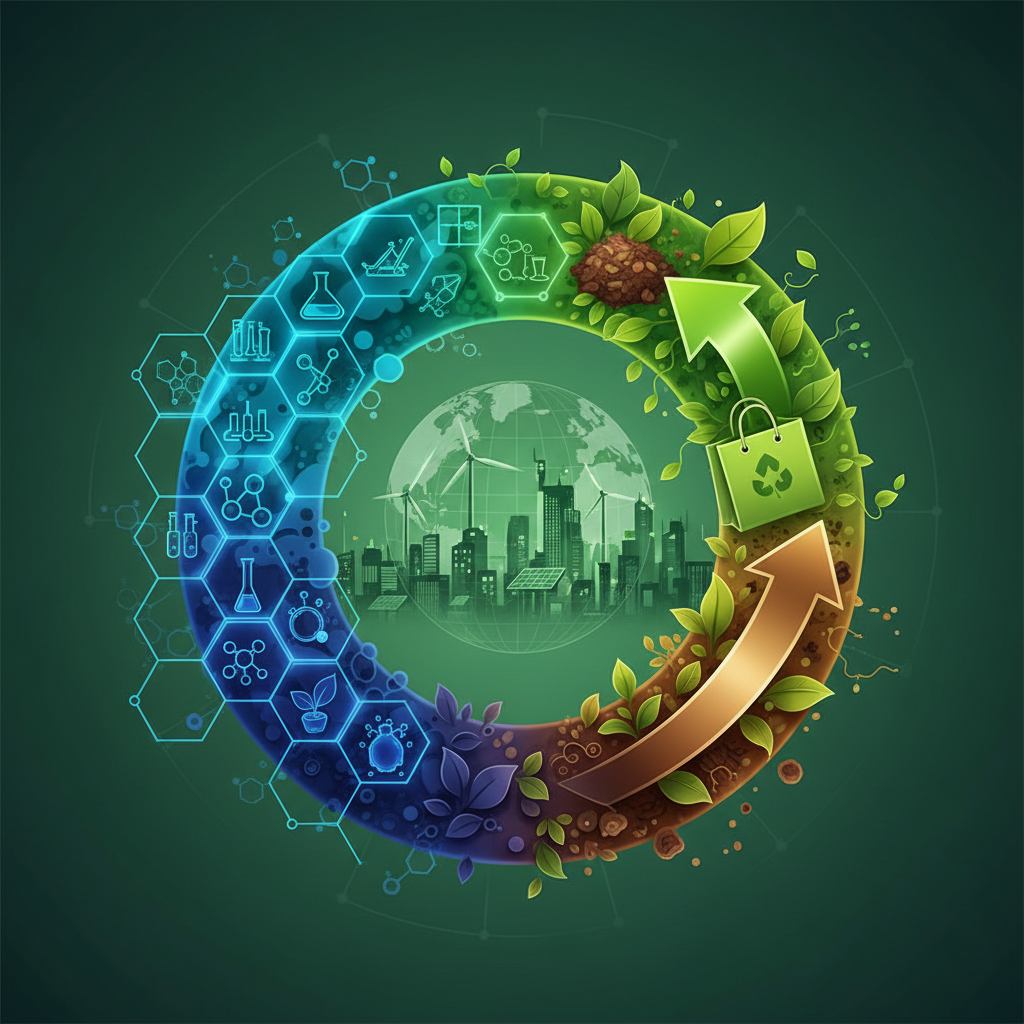
2026 is just a waypoint. In the next decade, the role of bioplastics and biodegradable materials will grow even further. Research is focused on producing next-generation biopolymers from food waste and algae. The principles of the circular economy will ensure that these materials cease to be merely 'waste' and become a source of raw material for new products. By the 2030s, sustainable biomaterials are expected to replace a large portion of single-use plastics.

Conclusion: The Triumph of Green Technology in 2026

The year 2026 is a turning point where bioplastics and biodegradable materials fully demonstrate their potential as environmentally friendly packaging and material alternatives. Coupled with innovations, conscious consumer demands, and determined legal regulations, these materials have enabled us to take a critical step towards ridding our planet of plastic pollution. Green Technology is not just a trend; in 2026, it has become a way of life and a necessity. It is vital for the future of our planet that all of us, from individuals to large corporations, become part of this transformation.

Comments (0)

No comments yet. Be the first to comment!

biMoola Assistant
Hello! I am the biMoola Assistant. I can answer your questions about AI, sustainable living, and health technologies.