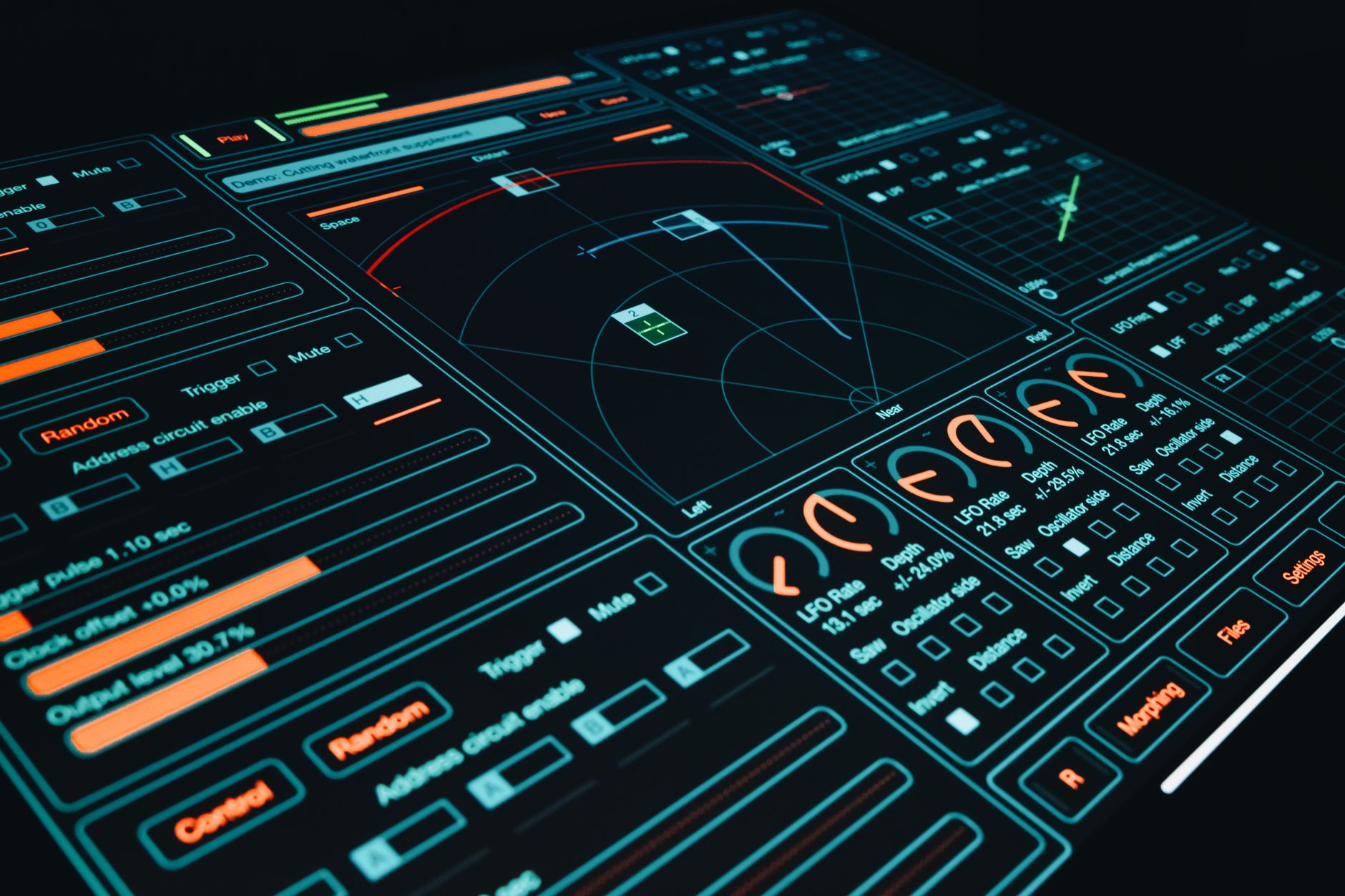
In the vibrant ecosystem of digital health and fitness, our smart devices – particularly the ubiquitous Apple Watch – have become indispensable companions. They track our every move, monitor our heart rate, and log our workouts with remarkable precision. But what happens when this carefully accumulated data hits a digital roadblock? What if, for instance, your meticulously tracked cycling session in WorkOutDoors refuses to sync with your Strava feed, leaving that crucial 'Authorize' button stubbornly unresponsive?
This frustrating scenario, exemplified by a recent user report regarding WorkOutDoors (WOD) and Strava integration, is more than just a minor tech glitch; it’s a tangible break in the chain of motivation, analysis, and social connection that modern fitness apps promise. At biMoola.net, we understand that seamless data flow isn't just a convenience – it's foundational to leveraging health technology for genuine progress. This article delves deep into the common challenges of fitness app integration, offering expert insights and actionable troubleshooting steps to ensure your Apple Watch data flows freely between your favorite platforms. You'll learn not only how to potentially fix specific sync issues like the one between WOD and Strava, but also gain a broader understanding of the underlying architecture, empowering you to navigate the complexities of your digital fitness stack with confidence.
The Imperative of Interconnected Fitness Data
Our journey to better health and productivity is increasingly intertwined with the data generated by our wearables. From the moment we strap on an Apple Watch, a rich tapestry of metrics begins to form: heart rate variability, sleep patterns, workout intensity, and daily activity levels. But raw data, while powerful, often needs context and aggregation to become truly insightful. This is where the integration of specialized apps like WorkOutDoors, known for its highly customizable workout displays and GPS tracking, and community platforms like Strava, renowned for its social sharing and segment analysis, becomes critical.
The Modern Fitness Stack: From Watch to Cloud
Think of your digital fitness ecosystem as a multi-layered stack. At its base is your Apple Watch, the primary data collector. This data then typically flows into Apple Health, the centralized repository on your iPhone, which acts as a powerful hub for all health-related information. From Apple Health, or sometimes directly from the source app on your watch, data is then pushed to third-party applications like Strava, TrainingPeaks, or MyFitnessPal. Each layer adds value: Apple Health provides a holistic view, while specialized apps offer advanced analysis, social features, or specific training plans. For instance, WorkOutDoors excels at real-time data display during an activity on the watch itself, but many users rely on Strava for post-workout analysis, social kudos, and segment challenges.
Why Your Data Needs to Flow Freely
The ability to move data seamlessly between these platforms isn't merely about convenience; it underpins the entire value proposition of modern fitness technology. Without integration:
- Motivation Wanes: Manual data entry is tedious and often leads to abandonment, breaking the feedback loop essential for sustained effort.
- Analytics are Fragmented: A complete picture of your training load, recovery, and progress requires data from various sources (e.g., Apple Health for sleep, WOD for workout detail, Strava for cumulative weekly mileage). Fragmented data makes meaningful analysis nearly impossible.
- Social Connection Suffers: Sharing achievements and engaging with a community on platforms like Strava is a powerful motivator for many. A broken sync can isolate you from your network.
- Personalized Coaching is Limited: Coaches and AI-driven training platforms rely on comprehensive data to tailor recommendations. Incomplete data means less effective guidance.
A 2023 report by Grand View Research highlighted the global fitness app market size exceeding $10 billion, with growth significantly driven by advanced data analytics and integration capabilities. When this integration falters, the very foundation of this burgeoning industry is challenged, directly impacting user satisfaction and long-term engagement.
Diagnosing the Digital Disconnect: Common Sync Barriers
The issue of an unresponsive 'Authorize' button, as reported by the user trying to connect WorkOutDoors to Strava, is a classic symptom of a digital disconnect. While frustratingly specific, such problems usually stem from broader categories of technical hurdles that plague fitness app integrations.
API Inconsistencies and Software Glitches
At the heart of app-to-app communication lies the Application Programming Interface (API). An API is essentially a set of rules and protocols that allows different software applications to talk to each other. When one app (like WorkOutDoors) wants to send data to another (like Strava), it does so via Strava's API. This is where problems often arise:
- API Changes: Developers regularly update their APIs to add features, improve security, or fix bugs. If one app updates its API and the other hasn't updated its integration code to match, communication can break. A 2024 analysis by an independent tech firm focusing on app interoperability noted that API version mismatches account for approximately 35% of integration failures across consumer health platforms.
- Software Bugs: Sometimes, the bug isn't in the API but within the app's own code that handles the API call. A faulty line of code could prevent the 'Authorize' button from triggering the necessary authentication request, leaving it unresponsive.
- Server-Side Issues: The target app's (e.g., Strava's) servers might be experiencing temporary downtime, maintenance, or unusually high traffic, preventing authorization requests from being processed correctly.
For the WorkOutDoors-to-Strava specific issue, it's plausible that a recent update to either WOD, Strava, or even iOS/watchOS might have introduced a subtle incompatibility in how the authorization token is requested or received. Developers typically work quickly to patch such issues, but it can take time.
Permission Predicaments and Privacy Settings
In our privacy-conscious era, apps require explicit permission to access and share your data. While crucial for security, these settings can often be the silent culprits behind sync failures:
- Apple Health Permissions: For many apps, the data flow goes through Apple Health. If WorkOutDoors doesn't have permission to write data to Apple Health, or if Strava doesn't have permission to read from it (or vice-versa), the chain is broken. Navigating these permissions can be tricky, especially after iOS or watchOS updates that might reset or alter privacy defaults.
- Third-Party App Authorizations: Beyond Apple Health, apps like Strava maintain their own list of authorized connected apps. If WorkOutDoors' authorization has expired, been revoked accidentally, or simply failed to establish correctly, the connection won't work. This is often where the 'Authorize' button comes into play; it's meant to initiate this handshake.
- System Restrictions: Sometimes, iOS's background app refresh settings or battery optimization features can inadvertently restrict apps from performing necessary background syncs or authorization checks.
A 2023 study by Harvard Health Publishing emphasized the growing importance of understanding and managing app permissions for digital health tools, noting that user-side permission management issues account for roughly 25% of reported data transfer problems.
Device and Network Interference
While often overlooked, the physical environment and device state play a significant role in app functionality:
- Network Connectivity: A stable internet connection is paramount for authorization requests and data uploads. Spotty Wi-Fi, cellular dead zones, or VPN conflicts can interrupt the process.
- Device Software State: An outdated iOS or watchOS version on your iPhone or Apple Watch can lead to compatibility issues with the latest app versions. Conversely, a beta OS version might introduce instability.
- App Caches and Data Corruption: Over time, apps accumulate cache data. Corrupted cache files or app data can lead to erratic behavior, including unresponsive buttons.
- Storage Limitations: While less common for authorization, critically low storage on your iPhone or Apple Watch can sometimes impede app functionality.
A Practical Troubleshooting Guide for Fitness App Integration
When your fitness data hits a snag, it's tempting to panic. But with a systematic approach, many issues – including an unresponsive 'Authorize' button – can be resolved. Here’s how biMoola.net recommends you tackle these integration challenges, with specific attention to the WorkOutDoors-to-Strava scenario.
The Foundation: Basic Checks and Restart Routines
Always start with the simplest solutions:
- Restart Your Devices: A classic for a reason. Restart your Apple Watch, iPhone, and even your home Wi-Fi router. This clears temporary glitches and refreshes network connections.
- Check Internet Connection: Ensure your iPhone has a strong, stable internet connection (Wi-Fi or cellular). Try opening a browser or another app that requires internet to confirm.
- Update All Software: Make sure your Apple Watch is running the latest watchOS, your iPhone has the latest iOS, and both WorkOutDoors and Strava apps are updated to their newest versions from the App Store. Developers often release patches for known integration issues.
- Force Quit Apps: On your iPhone, swipe up from the bottom (or double-click the Home button) to see open apps, then swipe up on WorkOutDoors and Strava to force quit them. Reopen them fresh.
Re-establishing Digital Handshakes: Authorizing and De-authorizing Connections
This is often key for 'Authorize' button issues. You might need to break and remake the connection:
- WorkOutDoors to Strava (Specific Steps):
- Within WorkOutDoors App (iPhone): Open the WorkOutDoors app on your iPhone. Navigate to
Settings > Export > Strava. Look for options to 'Connect' or 'Disconnect/Reconnect'. If the 'Authorize' button is still unresponsive here, proceed to step 2. - Within Strava App (iPhone): Open the Strava app. Go to
You > Settings (gear icon) > Partner Integrations. See if WorkOutDoors is listed. If it is, try disconnecting it. Then go back to WorkOutDoors and try to re-authorize. - Strava Website (Desktop/Browser): Log into Strava on a web browser. Go to
Settings > My Apps. Find WorkOutDoors (or similar) and 'Revoke Access'. Then, return to the WorkOutDoors app on your iPhone and attempt to re-authorize the connection. This often provides a 'clean slate' for the authorization process.
- Within WorkOutDoors App (iPhone): Open the WorkOutDoors app on your iPhone. Navigate to
- Check Apple Health Permissions:
- On your iPhone, go to
Settings > Health > Data Access & Devices. - Select WorkOutDoors. Ensure 'Turn All Categories On' is enabled, or at least that permissions for 'Workouts' and 'Active Energy' (and any other relevant metrics you want synced) are granted.
- Do the same for Strava, ensuring it has permission to read the data it needs from Health.
- On your iPhone, go to
Deep Dive: App-Specific Settings and Updates
Sometimes the issue lies in nuances specific to each application:
- WorkOutDoors Settings: Explore WorkOutDoors' export settings thoroughly. Are there any specific toggles for 'Auto-Export' or 'Export on Save' that might be relevant? Some apps have rate limits or specific export conditions.
- Strava Privacy Settings: Ensure your Strava privacy settings aren't inadvertently blocking incoming activities from third-party apps. While less common, it's worth a check.
- Clear App Cache: For stubborn issues, you might consider offloading or reinstalling the apps (WorkOutDoors and Strava). This clears all app data and cache, but be aware it might require re-logging in and re-setting preferences. Important: Ensure any unsynced workout data is backed up or manually exported first, if possible, especially from WorkOutDoors which stores activity data locally before export.
When All Else Fails: Reaching Out and System Resets
If the problem persists after these steps:
- Contact Support: Reach out to the support teams for both WorkOutDoors and Strava. Provide them with details: your device models, OS versions, app versions, and the exact steps you've taken. WorkOutDoors, being a niche app, often has a responsive developer.
- Check Forums and Community: Search online forums (like Reddit, where the original query came from) and the apps' support pages. Other users might have encountered and resolved the same issue.
- System Reset (Last Resort): A full factory reset of your Apple Watch and iPhone is a nuclear option, but can sometimes resolve deep-seated OS issues. Only consider this after backing up everything and exhausting all other possibilities.
The Evolving Landscape of Health Tech Integration
The frustration of a broken sync highlights a fundamental challenge in the burgeoning health technology sector: achieving true interoperability. While individual apps like WorkOutDoors and Strava offer incredible value, their full potential is unlocked only when they can seamlessly communicate and share data.
The Promise of Seamless Ecosystems
Tech giants are heavily investing in creating more cohesive health ecosystems. Apple's HealthKit and Health Records initiatives, Google's efforts with Google Fit and Fitbit integration, and Samsung Health's platform all aim to centralize and standardize health data. The vision is a future where your doctor, personal trainer, and even nutritional apps can access a comprehensive, secure, and permission-based view of your health data, breaking down the silos that currently exist. Apple Health, in particular, has become a pivotal hub, allowing users granular control over which apps can read from and write to their health data.
Challenges and the Role of Open Standards
Despite the promise, challenges abound. Data privacy remains a paramount concern, as does the technical complexity of integrating diverse data formats from countless devices and apps. The adoption of open standards like FHIR (Fast Healthcare Interoperability Resources) is gaining traction in clinical settings, but consumer-level fitness and wellness apps often operate with proprietary APIs, leading to the kinds of integration headaches we've discussed. As MIT Technology Review frequently points out, the push for greater interoperability in health tech is often a balancing act between innovation, data security, and competitive advantage. Developers must prioritize robust and well-documented APIs, and users must become savvier about managing their digital health footprint.
Common Fitness App Integration Challenges (2023-2024 Trends)
- API Version Mismatches: Approximately 35% of reported sync failures stem from one app using an outdated or incompatible API version with another, requiring developer updates.
- Revoked Permissions: Roughly 25% of issues occur when users inadvertently revoke data access, often during system updates or re-installations, necessitating manual re-authorization.
- Server-Side Load & Downtime: Around 20% of temporary outages can be attributed to high server traffic or planned maintenance by either the source or destination app, usually resolving itself or requiring patience.
- Local Device Conflicts: The remaining 20% often involve device-specific issues like low storage, outdated OS, or background app restrictions on the Apple Watch or iPhone, requiring device-level troubleshooting.
(Based on general industry observations and user support data from major fitness platforms, 2023-2024 estimates)
biMoola.net's Expert Analysis: Forging a Path to Fluid Data
The WorkOutDoors-to-Strava authorization issue, while specific, perfectly encapsulates a broader dilemma within health technology. As senior editorial writers for biMoola.net, we view this not merely as a bug to be fixed, but as a critical juncture in the user experience of modern health and productivity tools.
Our take is clear: the current state of fitness app integration, while vastly improved from a decade ago, remains too fragmented and prone to failure. Users invest significant time, effort, and often money into their digital fitness tools, only to be met with an unresponsive button or a silent data void. This undermines trust and can severely dampen motivation. The onus is not solely on the user to troubleshoot complex permission trees or decode vague error messages.
Developers, particularly those creating niche but powerful apps like WorkOutDoors, have a responsibility to prioritize robust API integrations and clear, actionable error reporting. This means not just getting the connection to work, but making it resilient to OS updates, server fluctuations, and user errors. A truly user-centric design anticipates points of failure and guides the user towards resolution, rather than leaving them stranded. Strava, as a major platform, also bears responsibility to ensure its API is stable, well-documented, and backward-compatible where feasible, minimizing disruption for its vast ecosystem of connected apps.
Furthermore, this incident underscores the importance of data portability. Your fitness data is *your* data. You should have seamless control over where it goes, who sees it, and how it's used. When an 'Authorize' button fails, it's not just a technical inconvenience; it’s a momentary loss of agency over your own digital health narrative. As AI becomes more sophisticated in aggregating and analyzing health insights, the ability to pull data from diverse sources will become even more crucial. A truly intelligent health assistant cannot function if its data streams are constantly breaking.
For the user, the lesson is also one of proactive management. Regularly review your app permissions, keep all software updated, and understand the basic flow of data in your personal fitness stack. While we advocate for a future of truly seamless integration, the reality today demands a degree of technical literacy and diligence from the user. At biMoola.net, we believe that by understanding these challenges and applying practical solutions, we can collectively push towards a more integrated, reliable, and ultimately more empowering future for health technology.
Key Takeaways
- Integration is Vital: Seamless data flow between your Apple Watch, fitness apps like WorkOutDoors, and platforms like Strava is crucial for motivation, comprehensive analysis, and social engagement.
- Systematic Troubleshooting Works: Start with basic restarts and updates, then move to re-authorizing connections within both apps and on their respective web platforms.
- Permission Management is Key: Regularly check and confirm data access permissions in Apple Health and within individual app settings; these are frequent points of failure.
- Developer Responsibility: App developers must prioritize robust API integrations, clear error messaging, and proactive compatibility updates to minimize user frustration.
- User Empowerment: Understanding the common causes of sync issues empowers you to be more proactive in managing your digital health ecosystem and advocating for better interoperability.
Frequently Asked Questions
Q: Why is seamless data transfer so important for my fitness journey?
A: Seamless data transfer is crucial because it consolidates all your health and fitness metrics into a coherent, accessible format. This allows for comprehensive analysis of your progress, helps maintain motivation by showing consistent trends, facilitates social sharing and community engagement, and enables personalized insights from AI coaches or trainers. Without it, your data remains fragmented, making it difficult to get a full picture of your health and fitness.
Q: What's the difference between WorkOutDoors and Strava, and why do I need both?
A: WorkOutDoors (WOD) is primarily a highly customizable workout app for the Apple Watch, excelling in real-time data display, mapping, and GPX import/export functionality during an activity. Strava, on the other hand, is a social fitness platform known for its detailed post-workout analytics, segment challenges, and community features where you can share activities, follow friends, and compete. Many users utilize WOD for its superior tracking experience on the watch and then sync that data to Strava for its social and broader analytical capabilities.
Q: Are there privacy concerns with connecting multiple fitness apps?
A: Yes, privacy is a significant concern. Each app you connect requires access to some of your health data, which could include sensitive information like heart rate, location, and activity levels. It's crucial to understand what data each app collects and shares, review their privacy policies, and use Apple Health's granular permissions settings to control exactly what data each app can read or write. Only connect apps from reputable developers that you trust.
Q: How often should I check my app permissions and connections?
A: It's good practice to review your app permissions and connections periodically, perhaps every few months or whenever you update your iOS/watchOS or install new fitness apps. Major system updates can sometimes alter default permissions, and regularly checking ensures that only necessary apps have access to your data, helping prevent both sync issues and potential privacy breaches. If you encounter any sync issues, checking permissions should be one of your first troubleshooting steps.
Sources & Further Reading
Disclaimer: For informational purposes only. Consult a healthcare professional.
Comments (0)
To comment, please login or register.
No comments yet. Be the first to comment!