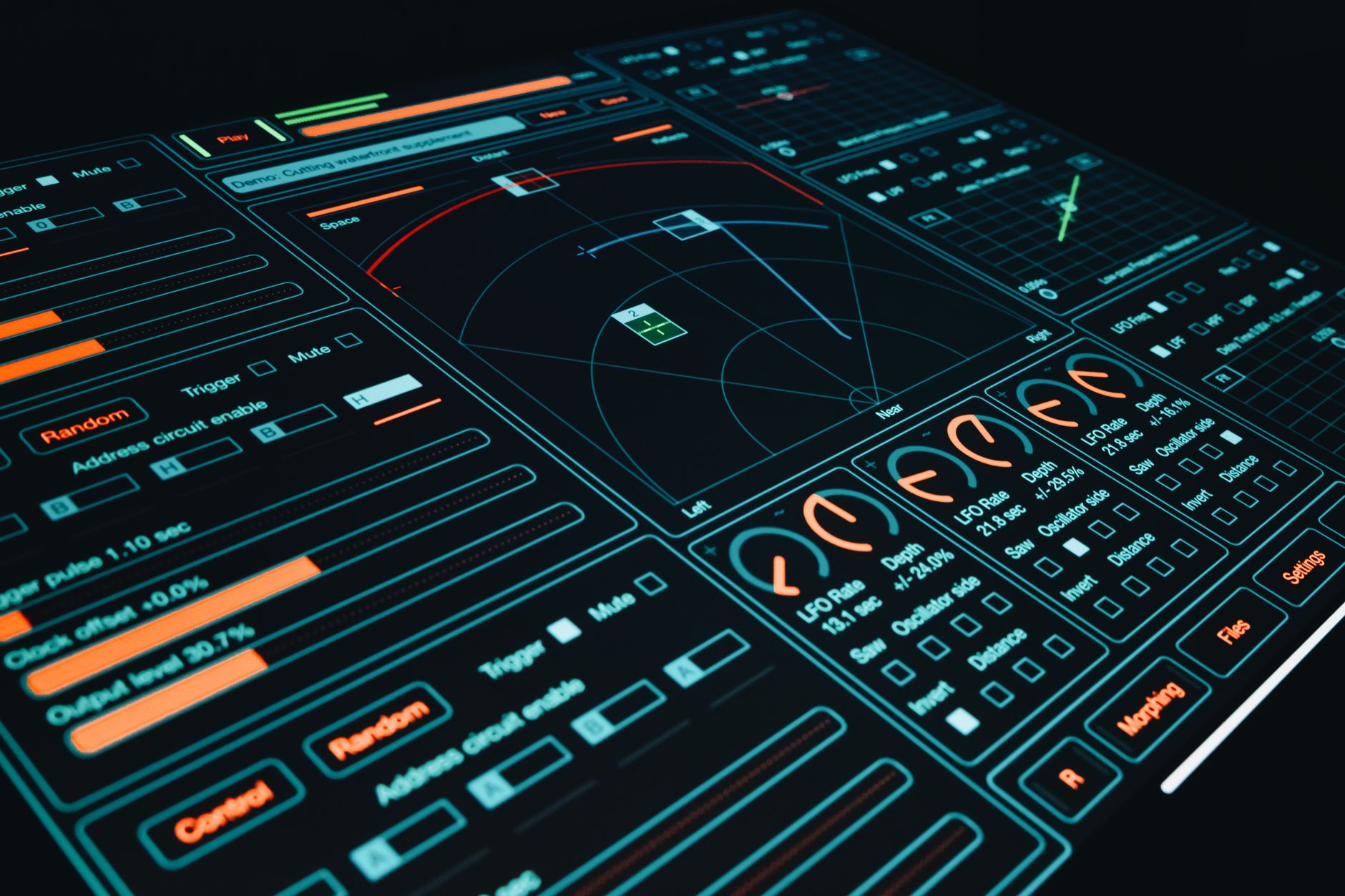
In an era dominated by sprawling, immersive main screens, it's easy to overlook the subtle innovations that are quietly reshaping our interaction with technology. Yet, a recent development—the integration of real-time weather wallpapers on the secondary, rear screen of devices like the upcoming Xiaomi 17 Pro series—serves as a fascinating microcosm of a much larger trend: the ascendancy of ambient computing and intelligent, glanceable interfaces. At biMoola.net, we've long championed the thoughtful integration of AI, productivity tools, and sustainable practices into our daily lives. This seemingly minor feature, far from being a mere aesthetic gimmick, hints at a profound shift in how our devices can become more contextually aware, less intrusive, and ultimately, more beneficial to our productivity, well-being, and even our planet. Join us as we delve into the philosophy behind ambient displays, the artificial intelligence powering their intelligence, and the tangible impacts they promise for a more seamless, mindful digital existence.
Beyond the Main Screen: The Rise of Ambient Interfaces
For decades, our primary interaction with digital devices has been through a dominant, front-facing display. From desktop monitors to smartphone screens, the paradigm has been one of active engagement, requiring our full attention. However, this is beginning to change. The emergence of features like dynamic rear screens capable of displaying real-time information signals a strategic pivot towards 'ambient computing' – a vision where technology seamlessly integrates into our environment, providing information and services without demanding our constant focus.
The Philosophy of Glanceable Information
The core principle here is 'glanceability.' In a world saturated with notifications and digital distractions, the ability to absorb crucial information at a glance, without unlocking a device or navigating through apps, is invaluable. Think of a smartwatch telling you the time and your heart rate without needing a conscious interaction, or a smart thermostat displaying the current temperature as you walk past. These are early forms of glanceable interfaces. The Xiaomi 17 Pro's real-time weather wallpaper extends this concept, making relevant environmental data instantly accessible on a non-primary display. This minimizes cognitive load, allowing users to make quick decisions (e.g., grab an umbrella) without interrupting their current task or flow state. A 2021 study published in the *Journal of Computer-Mediated Communication* highlighted that reducing the steps to access essential information can significantly enhance perceived efficiency and user satisfaction.
Historical Precedents and Modern Manifestations
While the Xiaomi feature feels novel, the concept of secondary, low-power displays isn't entirely new. E-ink screens on smartwatches or even the early Nokia phones with their small monochrome external displays offered a glimpse. The crucial difference today lies in the sophistication of the data presented and the intelligence behind it. Modern manifestations leverage advanced display technologies (like OLED for vibrant, power-efficient imagery) and, more importantly, artificial intelligence to deliver contextually relevant information. It's not just static data; it's dynamic, responsive, and often predictive. This evolution is vital for biMoola.net’s focus on productivity, as it shifts the device from being a demanding taskmaster to a subtle, always-on assistant.
AI's Role in Contextual Awareness: More Than Just Weather
The 'real-time' aspect of these dynamic displays is where artificial intelligence truly shines. It's not simply pulling a weather feed; it's about interpreting that data, correlating it with user behavior and location, and presenting it in a visually intuitive format. The sophistication of AI models is moving us beyond mere information display to genuine contextual awareness.
Predictive Analytics for Daily Life
Imagine a rear screen that not only shows current weather but predicts, based on your calendar and commute habits, if you’ll need a jacket or if traffic will be heavier due to rain. This is the power of predictive analytics, driven by on-device AI and cloud-based machine learning. Companies like Google and Apple are already deeply invested in predictive interfaces, using AI to anticipate user needs before they are explicitly requested. For instance, a 2023 report from the MIT Technology Review highlighted the increasing prevalence of 'proactive intelligence' in consumer electronics, where devices learn from user patterns to offer timely, relevant suggestions – whether it's adjusting your smart home lighting or preparing your morning coffee. This proactive approach minimizes decision fatigue, a significant drain on mental energy and productivity.
Personalization and Proactive Assistance
Beyond weather, AI can personalize the information displayed. If you're a keen gardener, your secondary screen might show soil moisture levels from connected sensors. If you're traveling, it could display gate changes or currency conversion rates. The AI observes your habits, preferences, and the data from your connected ecosystem to tailor the ambient experience. This level of personalization moves beyond generic notifications, offering truly proactive assistance that understands individual user context, a cornerstone of enhancing individual productivity and reducing digital friction.
Edge AI and Data Privacy Implications
A critical consideration for such always-on, data-driven features is privacy. Many modern smartphones leverage 'edge AI,' where processing of personal data (like location, usage patterns) happens directly on the device rather than being constantly uploaded to the cloud. This approach enhances speed, reduces latency, and crucially, improves privacy. For features like dynamic weather wallpapers that might pull location data, responsible implementation with strong user controls and clear privacy policies is paramount. As tech companies like Xiaomi continue to push the boundaries of contextual awareness, transparency regarding data handling will be key to building user trust, especially as devices become increasingly integrated into our lives.
Enhancing Productivity Through Subtlety
The most profound impact of ambient interfaces on productivity often comes from what they *don't* do: they don't demand a full screen, they don't force an app open, and they don't pull you into a digital rabbit hole.
Reducing Digital Overload and "Context Switching"
One of the biggest productivity killers in the modern workplace (and home) is 'context switching' – the mental cost incurred when moving between tasks or focusing on new information. Each time you unlock your phone to check the weather, you open yourself up to a cascade of potential distractions: new emails, social media notifications, messages. A quick glance at a secondary screen for critical information mitigates this. By providing essential data without initiating a full interaction, ambient displays help maintain focus and reduce the constant digital noise that contributes to digital overload. Research from the University of California, Irvine, in 2019, indicated that uninterrupted work sessions lead to significantly higher productivity and lower stress levels.
Time Management and Micro-productivity Gains
While seemingly small, the cumulative effect of these micro-interactions can be substantial. If checking the weather takes 5 seconds instead of 30 seconds (due to unlocking, finding the app, etc.), those saved seconds add up over a day, a week, a year. More importantly, it's about the mental energy preserved. Instead of breaking flow, you simply gather the information and continue. For those practicing time-blocking or focused work techniques like the Pomodoro Method, these subtle interfaces can be game-changers, enabling uninterrupted deep work while still keeping users informed about critical external factors.
The Wellness Frontier: Ambient Tech for Health & Well-being
Beyond efficiency, the thoughtful design of ambient technology holds significant promise for promoting mental and physical well-being. By reducing friction and cognitive load, these interfaces can foster healthier digital habits.
Circadian Rhythm and Digital Displays
The type of display and the information it presents can impact our biological clocks. Rear screens, often lower power and less bright, could be designed to display information in a way that is less disruptive to our circadian rhythms, especially during evening hours. Integrating features like adaptive light temperatures based on time of day, or displaying calming, natural imagery (like a sunset on the rear screen as evening approaches), could subtly cue our bodies for rest. This aligns with findings from Harvard Health Publishing regarding the impact of blue light on sleep patterns and general well-being.
Mindful Interaction and Screen Time Reduction
Perhaps one of the most compelling health benefits is the potential for reduced main screen time. By providing essential data on a secondary display, the temptation to dive into the infinite scroll of social media or email upon checking a simple piece of information is significantly lessened. This encourages more mindful interaction with our devices, where we consciously decide when to engage deeply, rather than defaulting to it for every piece of information. The World Health Organization (WHO) has increasingly highlighted concerns around excessive screen time and its impact on mental health, particularly in younger demographics. Technologies that nudge us towards less compulsive use are a welcome step.
Environmental Data Integration (Air Quality, UV Index)
Consider the potential for these ambient displays to integrate real-time environmental health data. A rear screen could display local air quality index (AQI) readings, UV index, or even pollen counts. For individuals with respiratory issues or outdoor enthusiasts, this provides crucial, actionable health information at a glance, allowing them to make informed decisions about their daily activities without needing to open a dedicated app. This type of proactive health monitoring, integrated into everyday objects, represents a powerful extension of health technology beyond wearables.
Sustainability in the Smart Device Era: A Double-Edged Sword
While the initial news focuses on a single feature, it’s crucial for biMoola.net to examine its broader implications for sustainable living. The constant cycle of device upgrades, such as the transition from Xiaomi 17 Pro to the anticipated Xiaomi 18 series, brings both environmental challenges and opportunities.
Energy Efficiency of Secondary Displays
Secondary displays, particularly those leveraging E-ink or highly efficient OLED panels, generally consume less power than the main, high-refresh-rate primary screens. If users can obtain critical information more often from a low-power rear screen, it theoretically reduces the overall battery drain associated with frequent main screen activations. This contributes to longer battery life per charge, indirectly reducing the energy consumed for charging cycles over the device's lifespan. However, the energy saved by individual interactions must be weighed against the cumulative energy footprint of manufacturing and powering more complex multi-screen devices.
The Cycle of Upgrade and E-Waste
The rapid pace of innovation, exemplified by yearly device iterations like the Xiaomi 17 Pro leading into the Xiaomi 18 series, poses a significant challenge for sustainable living. Each new generation, while offering incremental improvements (like dynamic rear screens), contributes to the growing mountain of electronic waste (e-waste). According to a 2024 UN Global E-waste Monitor report, e-waste generation is rising five times faster than documented recycling, with only 22% of e-waste being recycled globally. For biMoola.net readers, this underscores the importance of considering device longevity, repairability, and responsible recycling programs when upgrading. While new features enhance user experience, a critical lens must be applied to ensure these innovations don't inadvertently accelerate planned obsolescence.
Empowering Sustainable Choices through Information
Paradoxically, ambient displays can also *contribute* to sustainability by empowering users with real-time environmental information. Imagine a dynamic wallpaper that not only shows weather but also local air quality, energy consumption data from your smart home, or even reminders about optimal times to use electricity based on grid load. This data, delivered unobtrusively, can nudge users towards more energy-conscious behaviors, like planning outdoor activities when air quality is good or adjusting thermostat settings based on real-time environmental cues. The power of subtle, persistent information to shape behavior is a largely untapped resource in the sustainability movement.
The Future of Interaction: Seamless and Intuitive
The dynamic rear screen is a small but significant step towards a future where our devices are less like tools we actively operate and more like intelligent, ambient companions that understand our needs and provide information intuitively.
Augmented Reality and Beyond
The progression from secondary screens is likely to lead to even more integrated and immersive ambient experiences. Augmented Reality (AR) glasses, for example, could project glanceable information directly into our field of view, making the world itself an interface. Similarly, 'ubiquitous computing,' where technology is embedded into everyday objects and environments, will continue to evolve. The lessons learned from designing effective ambient displays on phones—how to present minimal, impactful information—will be crucial for these future interfaces. The goal remains the same: to make technology disappear into the background, surfacing only when truly needed.
Ethical Considerations and User Control
As ambient intelligence becomes more pervasive, ethical considerations regarding data privacy, algorithmic bias, and the potential for over-reliance on technology will become even more pronounced. Devices that know our habits and anticipate our needs must also offer robust user controls, allowing individuals to dictate what information is shared, what is displayed, and when they wish to disengage. The balance between proactive assistance and intrusive surveillance will be a defining challenge for tech companies in the coming years. Ultimately, the most successful ambient technologies will be those that empower users, not diminish their agency.
The Productivity & Engagement Landscape: A Snapshot
| Metric | Finding/Data Point | Source/Year |
|---|---|---|
| Average Daily Screen Time (Adults) | ~6 hours 58 minutes on mobile devices | DataReportal, 2023 |
| Cost of Context Switching | Up to 40% of productive time lost due to task switching | American Psychological Association (various studies) |
| Impact of Notifications | Takes an average of 23 minutes to return to original task after an interruption | University of California, Irvine, 2019 |
| E-Waste Generation Rate | Growing 5x faster than documented recycling | UN Global E-waste Monitor, 22% recycled (2024) |
| Benefits of Glanceable UI | Higher perceived efficiency, reduced cognitive load | Journal of Computer-Mediated Communication, 2021 |
Source: Data compiled from various academic and industry reports.
Key Takeaways
- Ambient displays, like dynamic rear screens, represent a shift towards 'glanceable information,' reducing the need for full device interaction.
- AI plays a crucial role in making these interfaces contextually aware, personalized, and proactively helpful, moving beyond static data to predictive insights.
- These subtle innovations can significantly boost productivity by minimizing digital overload, reducing context switching, and enabling 'micro-productivity' gains.
- From a wellness perspective, ambient tech fosters mindful interaction, potentially reducing screen time and integrating vital environmental health data.
- While offering energy efficiency benefits, the rapid upgrade cycle of devices like the Xiaomi 17 Pro to Xiaomi 18 series highlights the ongoing challenge of e-waste, necessitating a focus on responsible consumption.
Our Take: The Quiet Revolution of Contextual Intelligence
At biMoola.net, we view the emergence of features like dynamic rear screens not as isolated novelties, but as crucial indicators of a maturation in consumer technology. For too long, our devices have clamored for our attention, designed to be focal points rather than supportive elements of our lives. The shift towards ambient intelligence, where AI-powered contextual awareness delivers information subtly and proactively, is a quiet revolution that promises profound benefits across productivity, health, and even our pursuit of sustainable living.
Our analysis suggests that the true value isn't just in knowing the weather at a glance, but in the underlying philosophy: to empower users by reducing cognitive friction. Imagine a device that understands your daily routines so intimately it can surface exactly the right piece of information – whether it's a critical calendar alert, an update on your home's energy consumption, or a reminder to hydrate based on local temperature – without you ever having to ask. This isn't just about convenience; it's about reclaiming mental bandwidth and fostering a healthier, more intentional relationship with our digital tools.
However, this revolution is not without its caveats. The increasing collection of personal data, even if processed on-device via edge AI, demands unwavering commitment to user privacy and control. Moreover, the environmental cost of rapid innovation cycles, exemplified by frequent model releases, must be rigorously addressed. We advocate for manufacturers to prioritize not just innovative features, but also extended device lifespans, repairability, and truly circular economy practices. Ultimately, the success of ambient technology will be measured not just by its cleverness, but by its ability to genuinely enhance human well-being and respect our planet, without becoming yet another source of digital overwhelm.
Q: How can ambient displays genuinely improve my productivity, beyond just saving a few seconds?
A: The core benefit lies in reducing 'context switching' and digital distractions. When you check your main screen, you're often exposed to a barrage of notifications, leading to cognitive overload and taking significant time to refocus (up to 23 minutes, according to some studies). Ambient displays provide critical information (like weather, time, or simple alerts) at a glance, without forcing you into a full interaction. This helps maintain your flow state, reduces decision fatigue, and saves mental energy, leading to more focused and efficient work throughout the day. It's about preventing interruptions before they even begin.
Q: What are the main privacy concerns with devices becoming more contextually aware via AI?
A: As devices use AI to learn your habits, location, and preferences to provide proactive assistance, privacy becomes a significant concern. The key questions are: What data is being collected? Where is it being processed (on-device or in the cloud)? And who has access to it? Reputable manufacturers increasingly leverage 'edge AI,' processing sensitive personal data directly on your device, which enhances privacy by minimizing cloud transmission. However, it's crucial for users to review privacy policies, understand data permissions, and utilize robust privacy controls offered by the device's operating system. Transparency from manufacturers is paramount.
Q: Can these secondary screens actually contribute to sustainable living, given the constant tech upgrades?
A: It's a nuanced issue. On one hand, secondary, low-power screens can reduce overall battery drain by decreasing main screen activations for glanceable info, thus extending the time between charges. This can subtly reduce energy consumption over the device's lifespan. They can also empower sustainable choices by displaying real-time environmental data (like air quality or smart home energy usage). However, the primary challenge remains the rapid upgrade cycle of consumer electronics. Each new phone, despite incremental features, adds to e-waste. True sustainability requires manufacturers to prioritize modular design, repairability, longer software support, and comprehensive recycling programs alongside innovative features.
Q: Beyond weather, what other types of information could be most beneficial on an ambient display?
A: The potential is vast. Beyond weather, highly beneficial information could include: minimalist calendar appointments, critical alerts (e.g., security notifications from smart home devices, flight gate changes, low battery warnings for connected accessories), real-time fitness goals (steps count, heart rate), stock market tickers for investors, public transport arrival times, or even a personalized 'focus mode' indicator. For specific users, integration with smart home sensors for air quality, humidity, or package delivery notifications could be invaluable. The key is context and personalization, ensuring the information is always relevant and actionable without being overwhelming.
Sources & Further Reading
- MIT Technology Review - Artificial Intelligence News
- Harvard Health Publishing - Blue light has a dark side
- UN Global E-waste Monitor 2024
- DataReportal (2023). Digital 2023 Global Overview Report.
- Journal of Computer-Mediated Communication (2021). Various articles on User Interface Design and Cognitive Load.
- University of California, Irvine (2019). Research on workplace interruptions and productivity.
Disclaimer: For informational purposes only. Consult a healthcare professional for any medical advice or health-related concerns.
Comments (0)
To comment, please login or register.
No comments yet. Be the first to comment!