AI Tools

Beyond Text: How AI Pronunciation Is Revolutionizing Global Communication

Beyond Text: How AI Pronunciation Is Revolutionizing Global Communication

Language has always been both a bridge and a barrier. For centuries, mastering a new language meant countless hours of listening, repeating, and often, fumbling through pronunciations that simply didn't map to one's native tongue. Then came digital translation, evolving from clunky phrasebooks to sophisticated neural networks. Yet, a fundamental challenge remained: how do you truly *speak* a foreign word correctly when you've only seen it written? Enter the latest generation of AI-powered pronunciation features, a development that, from our vantage point at biMoola.net, signals a profound shift in how we learn, communicate, and connect across linguistic divides.

What began as a modest experiment in 2006—Google Translate, for instance, celebrates nearly two decades of innovation—has blossomed into an indispensable tool. Its latest iteration moves beyond mere text translation, offering users the ability to hear foreign words and phrases spoken aloud with remarkable accuracy. This isn't just a minor update; it's a game-changer for language learners, international professionals, and anyone navigating our increasingly interconnected world. In this in-depth analysis, we'll delve into the AI underpinnings of these new pronunciation capabilities, explore their far-reaching applications, and offer our expert perspective on their implications for productivity, global understanding, and the future of human-AI collaboration.

The Evolution of Digital Language Tools: From Rule-Based to Neural Narratives

To truly appreciate the significance of AI-driven pronunciation, it's essential to understand the journey digital language tools have taken. For decades, translation software relied on rule-based systems, meticulously coded with grammatical rules and dictionary lookups. These were rigid, often producing literal translations that missed nuance and context, and entirely silent on how words actually sounded.

The early 2000s ushered in the era of Statistical Machine Translation (SMT). Projects like Google Translate, launched in 2006, leveraged vast corpora of human-translated text to statistically determine the most probable translation. While a significant improvement, SMT often struggled with syntax and idioms, sometimes producing awkward or nonsensical phrases. Pronunciation was typically an afterthought, if present at all, relying on basic text-to-speech (TTS) engines that sounded robotic and unnatural.

The true revolution began with Neural Machine Translation (NMT) in the mid-2010s. NMT systems, powered by deep learning and neural networks, learn to translate entire sentences, considering the context and generating more fluent, human-like output. This paradigm shift also paved the way for advanced speech synthesis. Instead of simply concatenating pre-recorded sounds, modern AI can generate speech that mimics human intonation, rhythm, and natural cadence. This evolution from rudimentary text matching to sophisticated neural networks capable of understanding and generating human-like speech forms the bedrock of today's powerful pronunciation features.

Understanding the AI Behind the Voice

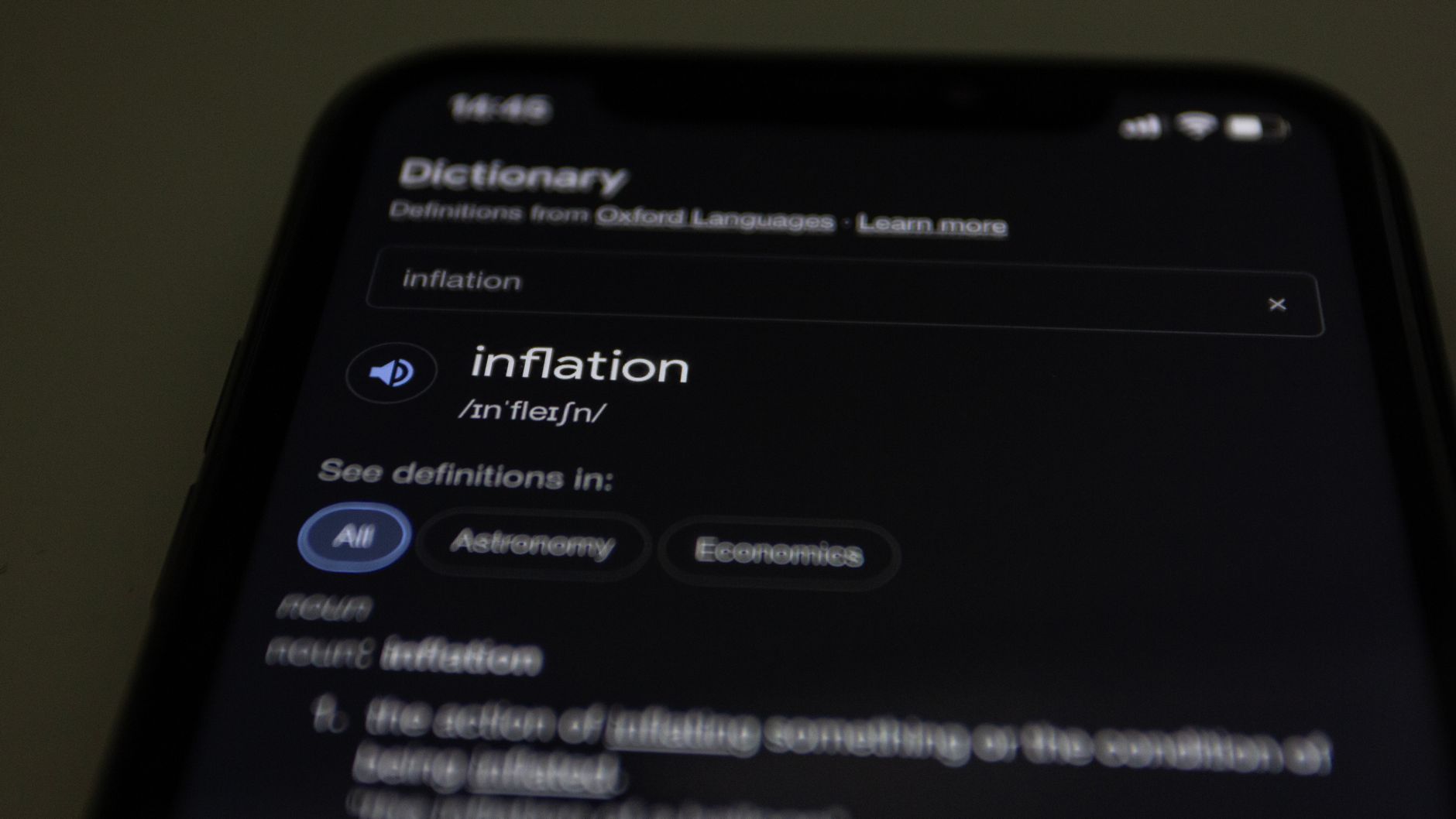
The seemingly simple act of hearing a foreign word pronounced correctly is a testament to sophisticated AI at work. This isn't just a dictionary playing an audio clip; it's a dynamic process driven by advanced machine learning models.

From Text-to-Speech to Neural Voices

Early text-to-speech (TTS) systems were often based on concatenative synthesis, stitching together recorded phonetic units. The results were intelligible but distinctly artificial. Today's state-of-the-art pronunciation features employ neural TTS, a branch of deep learning that generates speech from scratch. Models like Google's WaveNet or Tacotron 2, pioneered in the late 2010s, learn directly from raw audio and text data to produce highly natural-sounding speech. They understand not just individual phonemes but also prosody—the rhythm, stress, and intonation that give speech its natural flow.

The Role of Machine Learning in Phonetics

For a pronunciation feature to be accurate, the AI must possess a deep understanding of phonetics—the study of speech sounds. Machine learning algorithms are trained on massive datasets of spoken language, often thousands of hours of recordings by native speakers. Through this training, they learn to map written characters to their corresponding phonetic representations, account for variations in dialects and accents, and even predict appropriate emotional tone where relevant. This involves complex processes like acoustic modeling (analyzing sound waves) and linguistic modeling (understanding how language structures affect pronunciation). For example, a 2023 study by researchers at MIT's Computer Science and Artificial Intelligence Laboratory (CSAIL) highlighted significant advancements in cross-lingual voice synthesis, enabling AI to learn new pronunciations from minimal data, further enhancing the global reach of these features.

Beyond Translation: The Power of Pronunciation

The ability to hear accurate pronunciation unlocks dimensions of communication previously inaccessible without a human teacher or immersion. This goes far beyond mere convenience.

Bridging the Learning Gap for Language Enthusiasts

For language learners, pronunciation is often the hardest hurdle. Many languages have sounds not present in English, and the difference between similar-sounding phonemes can change a word's meaning entirely. AI pronunciation provides an on-demand, tireless tutor. Learners can repeat words and phrases, compare their attempts to the AI's model, and develop muscle memory for correct articulation. This immediacy significantly accelerates the learning curve, reducing frustration and boosting confidence. A survey by the Modern Language Association in 2021 noted that digital tools, especially those incorporating audio, were becoming indispensable for independent language study, particularly in bridging gaps left by declining language enrollments in traditional institutions.

Enhancing Professional Communication

In the globalized business landscape, clear communication is paramount. Mispronunciations can lead to misunderstandings, unintentional offense, or simply a lack of credibility. Sales professionals, diplomats, international project managers, and even customer service representatives can leverage these tools to ensure their spoken foreign words are understood as intended. This small detail can significantly impact professional relationships and the effectiveness of cross-cultural collaborations, minimizing communication friction that costs businesses billions annually, according to a 2022 report by the World Economic Forum.

Cultural Nuance and Respect

Pronouncing names, titles, or cultural phrases correctly demonstrates respect and a genuine effort to connect. Imagine meeting an international client and correctly pronouncing their name on the first try, or accurately ordering a local dish during a business trip. These seemingly minor gestures build rapport and foster trust. AI pronunciation empowers users to engage with foreign cultures more thoughtfully, moving beyond purely transactional interactions to more meaningful exchanges. This commitment to cultural understanding is increasingly valued in diverse work environments and global markets.

Practical Applications and Productivity Hacks

The real power of AI pronunciation lies in its tangible impact on daily tasks and long-term goals. Here are some key applications:

Business Travel and International Relations

  • On-the-Go Learning: Quickly learn essential phrases for directions, ordering food, or greetings before or during a trip.
  • Presenting with Confidence: Practice pronouncing foreign company names, product names, or key terms for international presentations.
  • Diplomatic Etiquette: Ensure correct pronunciation of foreign dignitaries' names and titles, crucial for building rapport in high-stakes interactions.

Educational Pathways and Self-Study

  • Accent Reduction: While not a full accent coach, it provides a clear model for improving foreign language phonology.
  • Vocabulary Expansion: Learn new words not just by sight, but by sound, reinforcing memory and practical application.
  • Exam Preparation: Practice for oral components of language exams with a reliable pronunciation guide.

Accessibility and Inclusivity

For individuals with learning disabilities, visual impairments, or those who learn best through auditory channels, these tools are transformative. They remove barriers to language acquisition and global communication, making the world more accessible to a broader audience. Organizations like the Web Accessibility Initiative (WAI) highlight the importance of inclusive digital design, and these AI features align perfectly with such principles.

Challenges and Ethical Considerations

While the benefits are clear, it's crucial to approach AI pronunciation with a critical eye, acknowledging its current limitations and potential ethical pitfalls.

The Pursuit of Perfect Accent

Current AI models, while highly accurate, generally produce a standardized, often 'neutral' accent. They may not perfectly replicate regional dialects or specific sociolects within a language. While excellent for general communication, learners aiming for complete native fluency or specific regional accents might still require human tutors or immersion experiences. The nuances of human speech, including humor, sarcasm, and subtle emotional cues conveyed through tone, remain complex challenges for AI to fully replicate or interpret.

Data Privacy and Usage

For AI to learn and improve, it requires vast amounts of data, often including user interactions. When using voice input features, questions of data privacy and how spoken queries are stored, analyzed, and anonymized become paramount. Users must be aware of the terms of service and privacy policies of these platforms, ensuring their personal information and speech patterns are protected.

The Risk of Over-Reliance

Like any powerful tool, over-reliance on AI pronunciation could hinder organic language development. Constantly relying on the tool without internalizing the sounds or practicing independently might impede a learner's ability to speak spontaneously and confidently without assistance. It's a supplementary tool, not a replacement for active practice and engagement.

The Global Impact of Language Barriers: Key Statistics

  • Business Costs: A 2022 survey by Forbes and Preply revealed that language barriers cost U.S. businesses an estimated $2 billion annually due to miscommunications and lost deals.
  • Language Learning Growth: The global online language learning market is projected to reach $21.2 billion by 2027, growing at a CAGR of 18.7% from 2020, with AI-driven tools as a major catalyst (Research and Markets, 2021).
  • Cross-Cultural Communication Challenges: Over 60% of international business leaders cite cultural and linguistic differences as significant hurdles in global team collaboration (Harvard Business Review, 2023).
  • Digital Literacy & Access: The increasing penetration of smartphones and internet access in developing regions (expected to reach 75% by 2025 according to the GSMA) makes AI translation and pronunciation features vital for bridging communication gaps worldwide.

The Future of AI in Language: A biMoola.net Perspective

From our editorial desk at biMoola.net, the integration of advanced pronunciation into AI translation tools represents more than just a technological upgrade; it's a paradigm shift in how we approach global connectivity and individual productivity. This isn't merely about convenience; it's about empowerment. For individuals, it democratizes access to linguistic mastery, leveling the playing field for learners regardless of their geographical location or access to traditional tutors. For businesses, it translates directly into enhanced operational efficiency and stronger international relationships, reducing the friction points that often impede global growth.

Looking ahead, we anticipate even more sophisticated AI models that can adapt to specific voice characteristics, offer real-time phonetic feedback, and even assist with 'accent blending' for highly specialized communication needs. Imagine an AI that not only pronounces a word but can also teach you the subtle mouth movements or tongue positions required. The synergy between visual and auditory learning, facilitated by AI, will further blur the lines between human and machine instruction. However, as proponents of responsible AI, we stress the importance of ongoing research into ethical deployment, ensuring data privacy and combating potential biases in speech models. The goal isn't to replace human interaction, but to augment it, fostering a more articulate, understanding, and interconnected global society. The question is no longer 'How do you say that word?' but 'How will AI help us say it better, together?'

Key Takeaways

  • AI-driven pronunciation marks a significant leap in digital language tools, moving beyond text to offer highly accurate, human-like speech synthesis.
  • Underpinned by advanced neural networks and deep learning in phonetics, these features enhance language acquisition by providing immediate, reliable auditory models.
  • They critically improve professional communication, fostering better understanding and rapport in global business and diplomatic interactions.
  • Practical applications span from empowering individual language learners and travelers to enhancing accessibility for diverse user groups.
  • While transformative, challenges remain in replicating nuanced accents and ensuring data privacy, underscoring the need for ethical AI development and balanced usage.

Frequently Asked Questions

Q: How accurate is the pronunciation feature compared to a native speaker?

A: Modern AI pronunciation features, especially those utilizing neural text-to-speech, are remarkably accurate. They can replicate native-like intonation, rhythm, and stress with high fidelity for most common words and phrases. However, they typically present a standardized accent and may not perfectly capture regional dialects, subtle emotional cues, or highly specific linguistic nuances that a human native speaker or specialized tutor might possess. For general communication and learning, they are exceptionally reliable.

Q: Can this AI pronunciation tool replace a human language tutor?

A: No, it's more accurate to view AI pronunciation as a powerful supplementary tool rather than a replacement for a human tutor. While AI provides immediate, consistent phonetic models, a human tutor offers personalized feedback, explains grammatical nuances, corrects mistakes in context, engages in conversational practice, and provides cultural insights that AI cannot yet fully replicate. AI can significantly enhance self-study and accelerate foundational learning, but the holistic experience of a human teacher remains invaluable for achieving advanced fluency and cultural competence.

Q: Are all languages supported equally by these advanced pronunciation features?

A: The level of support can vary significantly. Languages with extensive digital corpora (large datasets of text and audio) and more widely spoken languages tend to have more developed and accurate AI pronunciation models. Major languages like English, Spanish, French, German, Mandarin, and Japanese usually feature highly natural-sounding voices. Less common or minority languages might have more basic text-to-speech or may not be supported at all, due to the challenge of acquiring sufficient training data and dedicated research. Continuous development by companies like Google and others is progressively expanding this support.

Q: What are the privacy implications of using voice input for pronunciation tools?

A: When you use voice input for pronunciation or translation features, your spoken words are typically sent to the AI service's servers for processing. Companies usually state that this data is anonymized and used to improve their services. However, concerns can arise regarding the storage of voice data, potential for re-identification, and how it might be shared with third parties. Users should always review the privacy policy of the specific application or service they are using to understand how their voice data is collected, processed, and stored, and make informed choices about their privacy settings.

Sources & Further Reading

Disclaimer: For informational purposes only. Consult a healthcare professional.

Editorial Transparency: This article was produced with AI writing assistance and reviewed by the biMoola editorial team for accuracy, factual integrity, and reader value. We follow Google's helpful content guidelines. Learn about our editorial standards →
B

biMoola Editorial Team

Senior Editorial Staff · biMoola.net

The biMoola editorial team specialises in AI & Productivity, Health Technologies, and Sustainable Living. Our writers hold backgrounds in technology journalism, biomedical research, and environmental science. All published content is fact-checked and reviewed against authoritative sources before publication. Meet the team →

Comments (0)

No comments yet. Be the first to comment!

biMoola Assistant
Hello! I am the biMoola Assistant. I can answer your questions about AI, sustainable living, and health technologies.