AI & Productivity

Beyond Gaming: Sony INZONE H6 and the Future of Audio Productivity

Beyond Gaming: Sony INZONE H6 and the Future of Audio Productivity

Beyond Gaming: The Evolution of Audio Technology and Its Impact on Productivity

In an increasingly interconnected world, where the lines between work, entertainment, and personal growth continue to blur, the tools we use for each facet of our lives are converging. What was once considered a niche gadget for a specific hobby often finds its way into broader applications, revolutionizing how we interact with digital spaces. A prime example of this evolution is the modern gaming headset. Far from being just an accessory for competitive play, these advanced audio devices are now setting new benchmarks for immersive experiences and, surprisingly, for enhancing focus and productivity across various domains.

Sony's recent introduction of the INZONE H6 Wired Air gaming headset exemplifies this trend. With its emphasis on 360 Spatial Sound, an exceptionally lightweight design at just 199 grams, and an open-back acoustic structure, it points towards a future where high-fidelity audio is not merely about entertainment, but a powerful enabler for cognitive performance and overall well-being. This article delves into how innovations like those found in the INZONE H6 are redefining our expectations for audio technology, transforming our work environments, creative processes, and even our approach to learning.

The Power of Spatial Sound: A New Dimension for Focus and Immersion

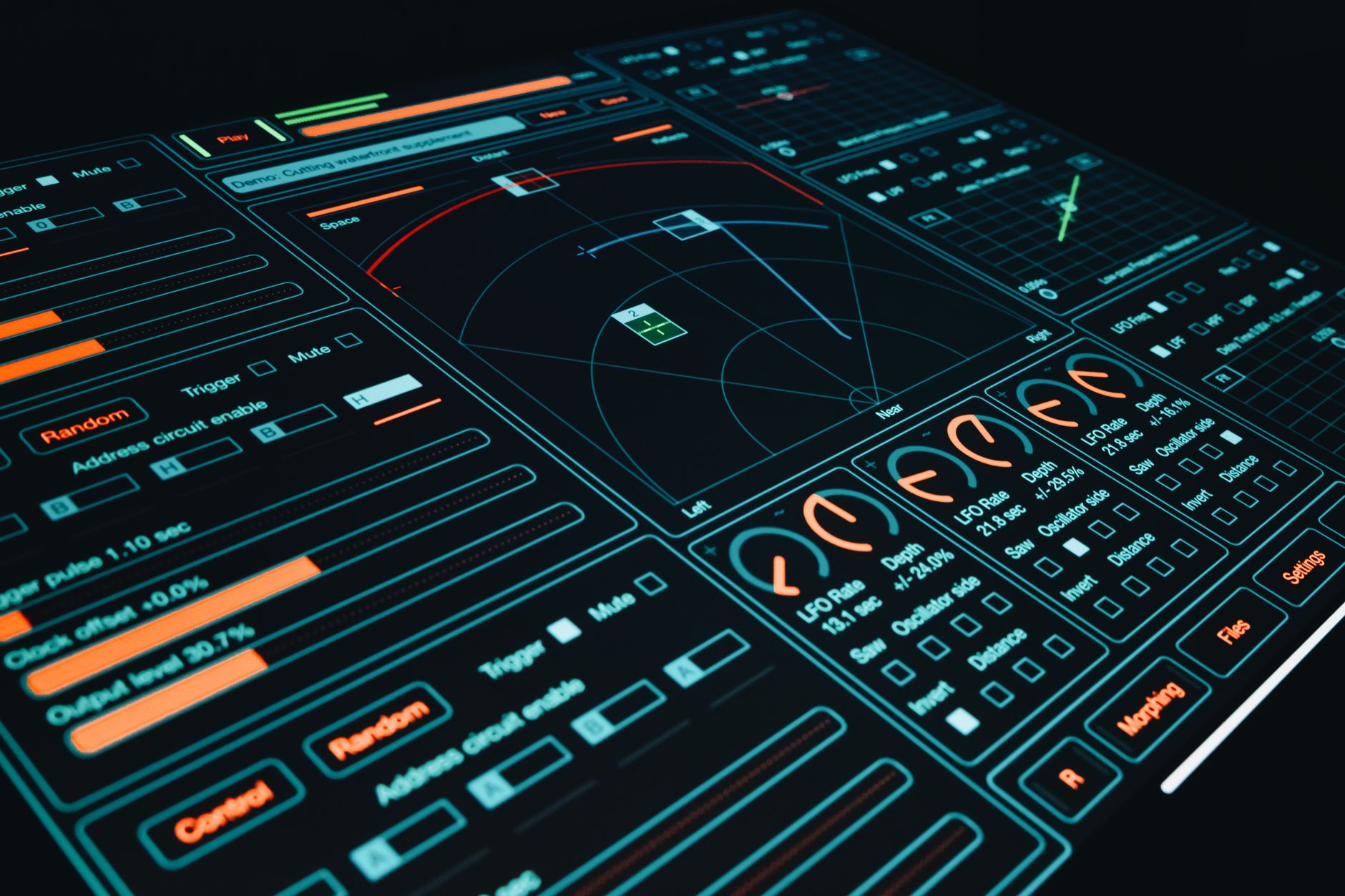
One of the standout features of the Sony INZONE H6 Wired Air is its support for 360 Spatial Sound. This technology moves beyond traditional stereo audio, creating an auditory landscape where sounds aren't just left or right, but can be precisely placed all around the listener. Imagine being able to pinpoint the exact direction of a teammate's voice in a virtual meeting, or distinguishing subtle audio cues from different software applications simultaneously. This isn't just about making games more exciting; it's about providing a richer, more accurate auditory context for any digital experience.

  • Enhanced Situational Awareness: In gaming, this means hearing footsteps or distant gunfire with pinpoint accuracy. In a professional context, it could mean distinguishing between different alerts, voice commands, or even virtual meeting participants speaking from their 'spatial' positions within a digital room.
  • Reduced Cognitive Load: When audio cues are spatially distinct, your brain expends less effort trying to interpret their origin. This reduction in cognitive load can free up mental resources, allowing for deeper focus on the task at hand.
  • Deeper Immersion: Whether you're exploring a virtual world, attending an online conference, or listening to an intricately produced podcast, spatial audio pulls you into the experience more completely. This immersion can translate into greater engagement and retention, making learning more effective and creative work more inspired.

The algorithms and processing behind spatial audio technology are continuously evolving, leveraging sophisticated computational methods to create these realistic soundscapes. This advanced audio technology is a testament to how digital innovation can profoundly impact our sensory experiences and, by extension, our ability to engage effectively with our digital lives.

Ergonomics Meet Performance: The Lightweight, Open-Back Advantage

Beyond its acoustic prowess, the physical design of a headset plays a critical role in its usability and, crucially, in promoting sustained productivity and comfort. The Sony INZONE H6 Wired Air highlights two key ergonomic features: its remarkably lightweight construction (199 grams) and its open-back design.

The Significance of a Lightweight Design

Wearing any device for extended periods can lead to discomfort, fatigue, and even headaches. A headset weighing a mere 199 grams significantly mitigates these issues. This featherlight approach ensures that the headset feels less like an external device and more like a natural extension, allowing users to remain focused on their tasks without the distraction of physical strain. For professionals engaged in long coding sessions, virtual workshops, or even creative pursuits like music composition, reduced pressure on the head and ears is invaluable for maintaining concentration and energy levels.

Understanding the Open-Back Acoustic Structure

The choice of an open-back design is a deliberate one, offering distinct advantages:

  • Natural Soundstage: Open-back headsets allow sound to escape and enter the earcups more freely. This creates a wider, more natural, and less 'in-your-head' soundstage, akin to listening to speakers in a room rather than having sound pumped directly into your ears. This natural sound can be less fatiguing over time and can provide a more accurate representation of audio, particularly beneficial for audio engineers or content creators.
  • Improved Airflow and Comfort: One of the most common complaints about closed-back headsets is the build-up of heat and moisture around the ears. An open-back design promotes better air circulation, keeping your ears cooler and more comfortable during prolonged use. This enhanced comfort directly contributes to sustained focus and reduced distraction.
  • Awareness of Surroundings: While not always ideal for noise cancellation, the ability to hear your surroundings (e.g., a doorbell, a colleague calling your name, or a child's cry) can be a significant benefit in home office or shared environments. It allows for seamless integration into your physical environment without needing to remove the headset.

These design choices underscore a holistic approach to user experience, where physical comfort is recognized as a cornerstone of mental acuity and prolonged engagement.

The Synergistic Role of Audio in Modern Productivity

The impact of high-quality audio extends far beyond the realm of entertainment. In today's digital-first landscape, superior audio is becoming an indispensable asset for various productive activities:

  • Remote Work and Virtual Collaboration: Clear communication is paramount. Features like spatial audio can make virtual meetings feel more natural and less taxing, improving comprehension and reducing miscommunication. A high-quality microphone (often integrated into gaming headsets) ensures your voice is heard clearly, minimizing friction in team interactions.
  • Content Creation: For podcasters, video editors, streamers, and musicians, precise audio reproduction is non-negotiable. Understanding the nuances of sound, identifying audio artifacts, and ensuring balanced mixes all depend on an accurate audio setup. A headset like the INZONE H6, with its open-back design, can provide a more honest sound profile, aiding in critical listening tasks.
  • Learning and Development: Online courses, webinars, and audiobooks are increasingly prevalent. Immersive audio can enhance engagement and retention, making complex information easier to absorb. The comfort of a lightweight headset ensures that learning sessions can extend without discomfort.
  • Cognitive Focus and Flow States: For tasks requiring deep concentration, background music or ambient sounds delivered through a high-fidelity headset can help block out distractions and induce a 'flow state.' The clarity and separation offered by advanced audio technology prevent audio elements from becoming a source of cognitive distraction themselves.

Investing in a high-quality audio peripheral, therefore, is not just about upgrading your entertainment setup; it's about optimizing your digital workspace and enhancing your overall cognitive efficiency.

Beyond the Specs: Choosing the Right Audio Gear for Your Needs

While the Sony INZONE H6 Wired Air presents a compelling blend of features, the 'best' audio device is always subjective, dependent on individual needs and usage patterns. When considering a new gaming headset or a dedicated productivity headset, several factors come into play:

  1. Sound Quality and Profile: Are you looking for immersive bass, crisp highs, or a balanced, neutral sound? The 360 Spatial Sound of the INZONE H6 excels at positional audio, which is great for immersion and situational awareness.
  2. Comfort and Ergonomics: As highlighted, a lightweight design and breathable earcups are crucial for long-term use. Consider the clamping force, ear cup material, and overall weight. The 199-gram design of the INZONE H6 is a significant advantage here.
  3. Open-back vs. Closed-back: If you value natural sound, comfort, and some environmental awareness, an open-back design is beneficial. If absolute isolation from external noise is your priority (e.g., in a noisy office or competitive esports), then a closed-back, noise-canceling headset might be more suitable.
  4. Wired vs. Wireless: Wired headsets, like the INZONE H6, offer latency-free audio and don't require charging, ensuring reliable, uninterrupted performance. Wireless options provide greater freedom of movement but introduce latency and battery management.
  5. Microphone Quality: Especially for virtual meetings and online communication, a clear microphone is essential. Many modern gaming headsets come with excellent boom mics.

The INZONE H6 carves out a niche for those who prioritize a natural, comfortable, and spatially aware audio experience, making it a strong contender not only for gamers but also for anyone seeking to elevate their digital experience and sustained productivity.

Key Takeaways

  • Advanced audio technologies like 360 Spatial Sound are enhancing immersion and providing cognitive benefits beyond traditional entertainment, extending into productivity and learning.
  • Ergonomic design, characterized by lightweight construction (like the INZONE H6's 199 grams) and open-back acoustics, is crucial for sustained comfort and reduced fatigue during long digital sessions.
  • Open-back headsets offer a natural soundstage, better airflow, and allow for environmental awareness, contributing to overall well-being and less fatiguing listening experiences.
  • High-quality audio peripherals are becoming essential tools for remote work, content creation, and online education, significantly improving communication, focus, and engagement.
  • Choosing the right headset involves balancing sound quality, comfort, acoustic design (open vs. closed), and connectivity to match individual user needs and use cases.

FAQ Section

Q1: What is 360 Spatial Sound and how does it benefit non-gamers?

360 Spatial Sound is an advanced audio technology that creates a three-dimensional soundscape, allowing individual sounds to be perceived as originating from specific points around the listener, not just from the left or right channels. For non-gamers, this technology offers several benefits:

  • Enhanced Virtual Meetings: It can make online conferences feel more natural, allowing you to spatially distinguish between different speakers, potentially reducing listening fatigue and improving comprehension.
  • Improved Focus in Work: By making audio cues clearer and more distinct, your brain expends less effort in processing them, freeing up cognitive resources for the primary task. This can help in maintaining concentration during complex work.
  • Immersive Content Consumption: For movies, music, or educational content, spatial audio can create a more enveloping and engaging experience, making consumption more enjoyable and potentially aiding in information retention.

Q2: Why choose an open-back headset over a closed-back one?

The choice between open-back and closed-back headsets depends largely on your priorities and environment:

  • Natural Soundstage: Open-back headsets generally provide a wider, more natural, and airy soundstage, making audio feel less confined and more like it's coming from an external space. This can be less fatiguing for critical listening or long sessions.
  • Comfort and Breathability: By allowing air to flow through the earcups, open-back designs prevent heat and moisture build-up, leading to greater comfort during extended use. This helps in avoiding sweaty ears and reduces the feeling of pressure.
  • Environmental Awareness: They allow you to hear some of your surroundings, which can be a safety feature or simply convenient in a home or shared office environment where you need to be aware of external sounds (e.g., a ringing phone, someone calling your name).

However, it's important to note that open-back headsets offer minimal noise isolation and can leak sound, meaning they might not be ideal for very noisy environments or situations where privacy is paramount.

Q3: How can a high-quality headset improve my daily productivity?

A high-quality headset can significantly boost daily productivity through several mechanisms:

  • Enhanced Focus and Reduced Distractions: By delivering clear, immersive audio, a good headset can help create a personal sound bubble, minimizing external distractions and allowing you to concentrate better on tasks. Features like spatial audio can further refine this by making important audio cues stand out.
  • Improved Communication: With superior microphone quality and clear audio reproduction, virtual meetings, calls, and collaborations become more efficient and less prone to misunderstandings. This reduces friction in communication, saving time and effort.
  • Increased Comfort for Long Sessions: Ergonomically designed, lightweight headsets prevent physical discomfort like ear fatigue or headaches. When you're comfortable, you can maintain focus and work for longer periods without needing breaks due to physical strain.
  • Better Cognitive Performance: By reducing the effort your brain needs to interpret garbled audio or filter out noise, a good headset can lower cognitive load, leaving more mental energy for creative thinking, problem-solving, and decision-making.

In essence, a high-quality headset acts as an enabler for a more efficient, comfortable, and focused digital experience, translating directly into improved productivity.

Conclusion

The introduction of products like Sony's INZONE H6 Wired Air gaming headset signals a broader shift in how we perceive and utilize audio technology. What begins as innovation for competitive gaming often transcends its original purpose, offering significant benefits for other aspects of our digital lives. The combination of advanced features like 360 Spatial Sound, a commitment to ergonomic comfort through a lightweight and open-back design, and the reliability of a wired connection creates a powerful tool. This device is not just about winning virtual battles; it's about enhancing cognitive performance, fostering deeper immersion, and ultimately, boosting productivity across diverse tasks, from professional collaboration to creative pursuits and lifelong learning.

As we continue to navigate an increasingly digital world, the quality of our audio experience will only grow in importance. Investing in sophisticated audio gear is no longer a luxury for enthusiasts but a strategic move towards a more efficient, comfortable, and engaging interaction with technology. The future of sound is not just about what we hear, but how it empowers us to do more, better, and with greater well-being.

Disclaimer: The information provided in this article is for general informational purposes only and does not constitute medical advice. While we discuss general aspects of comfort and potential impact on well-being, individual experiences may vary. Always consult with a qualified healthcare professional for any health concerns or before making any decisions related to your health or well-being.

Editorial Note: This article was produced with AI assistance and reviewed by the biMoola editorial team to ensure accuracy and quality. We are committed to transparent, research-backed content.

Comments (0)

No comments yet. Be the first to comment!

biMoola Assistant
Hello! I am the biMoola Assistant. I can answer your questions about AI, sustainable living, and health technologies.