AI & Productivity

Beyond Commands: The Era of Proactive AI with Gemini 3.5 and Android Halo

Beyond Commands: The Era of Proactive AI with Gemini 3.5 and Android Halo
Written by Sarah Mitchell | Fact-checked | Published 2026-05-20 Our editorial standards →

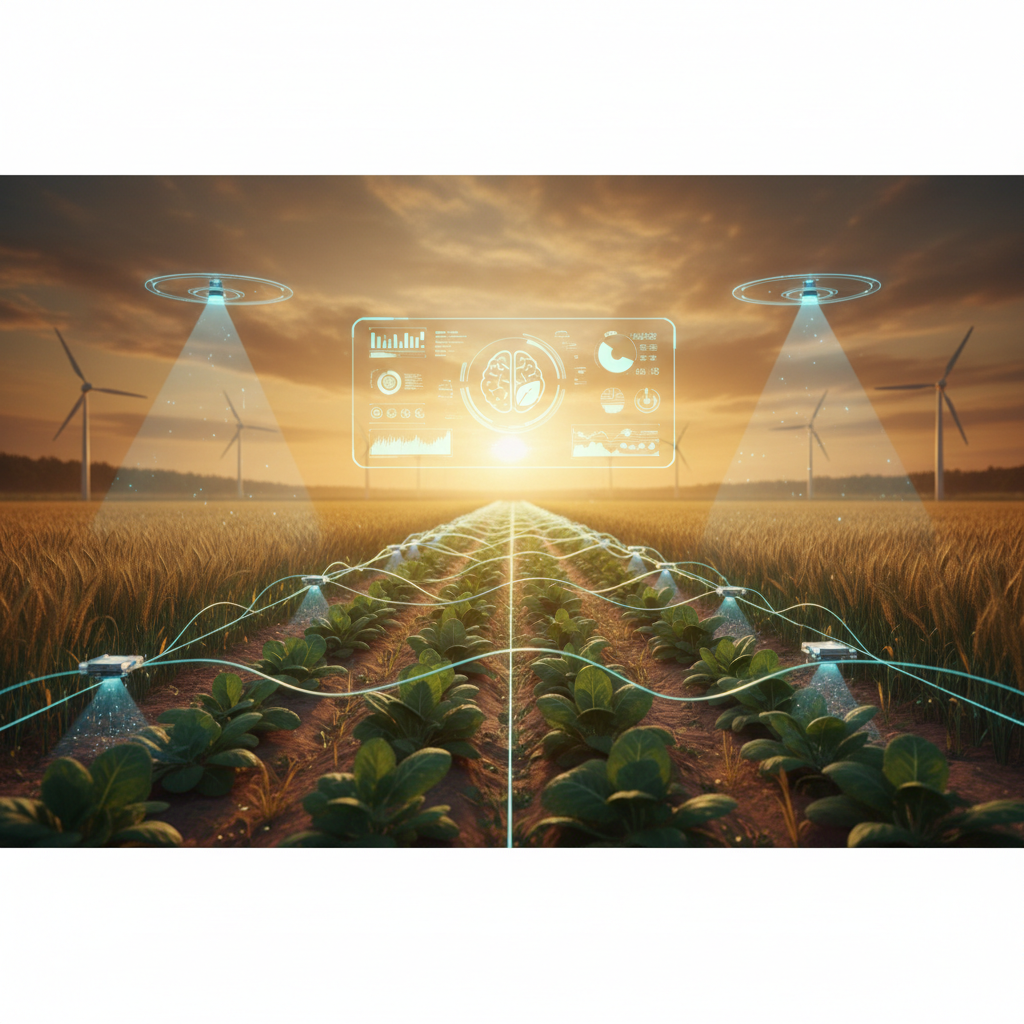
For years, our interaction with artificial intelligence has largely been a reactive dance: we prompt, it responds. We ask for information, it retrieves. We issue commands, it executes. But what if AI could anticipate our needs, manage complex workflows, and even make proactive decisions on our behalf, seamlessly integrating into the fabric of our daily lives? This isn't a distant sci-fi fantasy; it's the imminent reality heralded by advancements like Google's Gemini 3.5 and the conceptual framework of Android Halo, promising a profound shift in how we live, work, and interact with technology.

As biMoola.net, we've long tracked the trajectory of AI, from its nascent stages to its current transformative power. The insights emerging from anticipated future announcements, such as those speculated for a Google I/O 2026, suggest we are on the cusp of an inflection point. This article delves deep into what proactive AI truly means, how Gemini 3.5 provides the cognitive engine, and how Android Halo could serve as the ambient operating system, exploring the profound implications for productivity, ethical considerations, and the very definition of digital assistance. Prepare to understand the architecture of a future where AI isn't just a tool, but an intelligent, anticipatory partner.

The Dawn of Proactive AI: Shifting Paradigms

The transition from reactive to proactive artificial intelligence represents one of the most significant evolutions in human-computer interaction since the advent of the graphical user interface. Historically, AI systems, from search engines to voice assistants, have operated on an explicit command-and-response model. You ask Google Assistant for the weather, it tells you. You type a query into ChatGPT, it generates text. This paradigm, while powerful, places the cognitive load squarely on the user to initiate and define the interaction.

Proactive AI, however, flips this script. It’s about systems that can anticipate needs, offer solutions before being asked, and even autonomously execute multi-step tasks based on a deep understanding of user context, preferences, and goals. Imagine your digital assistant not just reminding you of an appointment, but pre-booking your ride, adjusting your smart home's climate, and even drafting a pre-meeting summary based on your calendar and recent communications – all without explicit prompts. This level of autonomy requires not just advanced processing power, but a sophisticated blend of contextual awareness, predictive analytics, and ethical reasoning.

A 2024 report by Gartner highlighted this shift, projecting that by 2028, over 60% of all enterprise AI deployments will feature proactive capabilities, up from less than 10% in 2023. This rapid acceleration underscores a growing industry recognition of AI's potential to move beyond mere assistance to genuine partnership. The implications for productivity, healthcare, and sustainable resource management are immense, redefining what it means to be 'assisted' by technology.

Gemini 3.5: The Brain Behind the Evolution

At the heart of this proactive revolution lies advancements in foundational AI models, with Google's Gemini series serving as a prime example. While specific details of a hypothetical 'Gemini 3.5' are speculative, its trajectory points towards an AI engine engineered for unparalleled understanding and operational breadth. Based on the foundational principles of its predecessors, Gemini 3.5 would embody several critical features necessary for proactive capabilities.

Advanced Reasoning and Contextual Understanding

The ability to 'reason' beyond simple pattern matching is paramount. Gemini 3.5, in this future iteration, would likely possess an even more refined capacity for symbolic reasoning, allowing it to understand abstract concepts, infer intentions, and connect disparate pieces of information with human-like intuition. This isn't just about processing data; it's about interpreting the nuances of human communication, predicting emotional states, and adapting its responses accordingly. For instance, if you're stuck in traffic, a proactive Gemini 3.5 wouldn't just tell you the new ETA; it might automatically message your collaborators, update your calendar, and suggest alternative solutions based on your usual commuting patterns and meeting priorities.

Contextual understanding extends beyond immediate inputs. It encompasses historical data, learned preferences, environmental cues (location, time of day), and even biometrics if integrated with health tech. This holistic awareness allows the AI to build a rich, dynamic model of your current situation and anticipated needs, forming the bedrock of truly proactive assistance.

Multimodality and Seamless Integration

Another crucial advancement is enhanced multimodality. While current models excel at processing text or images, Gemini 3.5 would push boundaries, seamlessly integrating and interpreting information across text, speech, vision, and even sensor data. This means it could 'see' your messy desk and suggest organizing it, 'hear' your tone of voice and infer stress levels, or 'understand' a complex diagram you've sketched, all while cross-referencing information from your digital calendar and emails.

This multimodality isn't just about input; it's about output and integration. A truly proactive AI would communicate in the most effective medium – whether it's a spoken suggestion, a visual alert, or a discreet vibration – and integrate its actions across all your connected devices, from your smartphone to your smart home and even your vehicle. This seamless flow of information and action is what transforms a collection of smart devices into a truly intelligent ecosystem.

Android Halo: Your Ambient Intelligence Hub

If Gemini 3.5 is the brain, then Android Halo represents the nervous system and body – the ambient operating system that orchestrates these proactive capabilities across our entire digital and physical environment. This concept moves beyond the smartphone as the primary interface, envisioning a world where intelligence is diffused into our surroundings, always available yet unobtrusive.

From Smartphone to Smart Ecosystem Controller

Android Halo wouldn't just be an OS for phones; it would be the underlying intelligence fabric for wearables, smart home devices, vehicles, and even public infrastructure. Your smartphone would become one node among many, perhaps the primary personal command center, but not the sole point of interaction. The 'Halo' refers to this pervasive, enveloping layer of intelligence that anticipates and responds to your presence and needs throughout your day.

Consider a scenario where Android Halo detects you're waking up. It gently raises the blinds, starts your preferred news briefing on a smart speaker, and cues up your morning coffee – all learned preferences, executed without a single explicit command. As you leave for work, it locks your home, optimizes energy consumption, and sends route suggestions to your car's display, dynamically adjusting based on real-time traffic and your calendar. This isn't about replacing human action, but augmenting it, reducing cognitive load and friction in daily routines.

Ethical Design and User Agency

The notion of pervasive, proactive AI raises immediate and valid concerns about privacy, data security, and user control. Android Halo's success would hinge critically on its ethical design principles. This includes:

  • Transparency: Users must understand how and why the AI is making decisions.
  • Control: Granular controls over data sharing, automation levels, and AI intervention are essential.
  • Opt-in/Opt-out: Users should have clear, easy-to-manage options to disable or customize proactive features.
  • Privacy by Design: Data minimization and local processing wherever possible.

Without a strong emphasis on user agency, proactive AI risks becoming intrusive rather than helpful. The MIT Technology Review has consistently highlighted the importance of 'human-centered AI' design, emphasizing that technology should serve human goals, not dictate them. Android Halo, if designed thoughtfully, could set a new standard for intelligent autonomy that respects user boundaries.

Transforming Productivity: A New Era of Efficiency

The fusion of Gemini 3.5's cognitive power with Android Halo's ambient integration offers unprecedented opportunities to redefine productivity, moving beyond simple task automation to a holistic augmentation of human capability.

Hyper-Personalized Workflows

Imagine an AI assistant that truly understands your work style, your preferred communication channels, and your project priorities. Gemini 3.5, operating within an Android Halo ecosystem, could construct hyper-personalized workflows. For a project manager, it might automatically prioritize emails, draft initial responses, schedule follow-ups based on project timelines, and even suggest optimal times for team meetings by analyzing everyone's calendars and focus periods. For a creative professional, it could curate relevant research, suggest tools, and even help overcome creative blocks by offering prompts based on past work and current trends.

This isn't about replacing human thought but streamlining the logistical and repetitive elements of work, freeing up cognitive resources for higher-order tasks requiring creativity, strategic thinking, and emotional intelligence. A 2025 study published by the Harvard Business Review predicted a 20-30% increase in 'deep work' hours for knowledge workers leveraging advanced proactive AI, by offloading administrative burdens.

Bridging the Gap in Task Automation

Current automation tools often require significant setup and maintenance. Proactive AI, powered by Gemini 3.5, could intelligently 'learn' your processes and automate complex, multi-application tasks that previously required manual intervention or bespoke scripting. From aggregating data across disparate platforms to generating comprehensive reports, or even managing your digital subscriptions and personal finances, the AI could act as an intelligent intermediary, bridging the gaps between various software and services. This level of automation moves beyond simple macros to intelligent, adaptive process management, fundamentally changing how we interact with our digital tools.

The Ripple Effect: Beyond Productivity

The impact of proactive AI extends far beyond the professional realm, touching upon personal well-being, health, and our collective efforts towards sustainable living – core tenets of biMoola.net's focus.

Health, Wellness, and Proactive Assistance

In the domain of health, a proactive AI assistant could become an invaluable partner. Imagine an Android Halo-enabled system that monitors your sleep patterns, activity levels, and dietary intake via connected wearables and smart home devices. It could then offer personalized, evidence-based recommendations – suggesting a specific workout based on your recovery, reminding you to hydrate, or even flagging potential health concerns to your healthcare provider (with your explicit consent, of course).

For individuals managing chronic conditions, proactive AI could help with medication adherence, symptom tracking, and even provide real-time guidance during emergencies, acting as an intelligent first responder or navigator to critical information. The World Health Organization (WHO) has often stressed the potential of digital health interventions, and proactive AI could elevate these to a level of personalized care previously unimaginable, provided stringent privacy and medical ethics are upheld.

Sustainable Living and Resource Management

Proactive AI also holds immense promise for sustainable living. An Android Halo ecosystem could intelligently manage your home's energy consumption, learning your habits and optimizing heating, cooling, and lighting to minimize waste without compromising comfort. It could monitor water usage, suggest efficient irrigation schedules for your garden, or even recommend local, sustainable food options based on your dietary preferences and available produce.

On a larger scale, integration with smart city infrastructure could see AI proactively managing traffic flow to reduce emissions, optimizing public transport schedules, or even predicting and mitigating localized environmental risks. By automating and intelligently optimizing our resource consumption, proactive AI driven by powerful models like Gemini 3.5 can significantly contribute to a more sustainable future, turning abstract environmental goals into tangible, everyday actions.

Navigating the Ethical Landscape: Trust, Transparency, and Control

As AI becomes more proactive and autonomous, the ethical implications become increasingly complex and critical. The benefits are clear, but the risks – potential for bias, misuse of data, erosion of human agency, and the 'black box' problem – must be addressed head-on.

A significant concern is the potential for AI to reinforce or amplify existing societal biases if not carefully trained and monitored. Data used to train models like Gemini 3.5 must be diverse and representative, and algorithms must be scrutinised for fairness. Furthermore, the question of accountability arises: if a proactive AI makes a 'bad' decision, who is responsible? These questions demand robust regulatory frameworks, ongoing research into AI ethics, and a commitment from developers to prioritize human values.

The European Union's proposed AI Act and the White House's Blueprint for an AI Bill of Rights demonstrate global efforts to establish guidelines. However, beyond regulation, fostering user trust will require transparent AI systems that explain their reasoning and provide clear pathways for users to override or correct their actions. The adage, 'With great power comes great responsibility,' has never been more pertinent than in the age of proactive AI.

Key Takeaways

  • Proactive AI represents a fundamental shift from reactive command-and-response systems to intelligent agents that anticipate needs and execute tasks autonomously.
  • Next-generation AI models like Gemini 3.5 are crucial, offering advanced reasoning, contextual understanding, and robust multimodality.
  • Ambient operating systems like Android Halo are envisioned to diffuse this intelligence across all devices, creating seamless, pervasive assistance.
  • The impact on productivity is transformative, enabling hyper-personalized workflows and bridging gaps in complex task automation.
  • Beyond productivity, proactive AI holds immense potential for personalized health management and driving sustainable living practices through optimized resource consumption.
  • Ethical considerations, including transparency, user control, data privacy, and bias mitigation, are paramount for the responsible deployment and public acceptance of proactive AI.

The journey towards truly proactive AI is not merely a technological challenge but a societal one. It demands careful consideration of our values, our privacy, and our relationship with technology. As these systems grow more capable, the conversation shifts from 'what can AI do?' to 'what *should* AI do, and how can we ensure it empowers, rather than diminishes, human flourishing?'

Projected Impact of Proactive AI on Key Sectors (Illustrative Data)
SectorCurrent AI Automation (2024 est.)Proactive AI Adoption (2028 proj.)Productivity Gain (2028 proj.)
Knowledge Work & Admin15%65%+25%
Personal Wellness & Health5%40%+18% (efficiency/adherence)
Smart Home & Energy Mgmt.20%70%+30% (resource savings)
Supply Chain & Logistics30%75%+22%
Customer Service40%85%+35% (query resolution)

Expert Analysis: biMoola's Perspective

At biMoola.net, we believe the advent of truly proactive AI, as exemplified by developments like Gemini 3.5 and the conceptual Android Halo, marks a definitive turning point, not just in technology, but in human evolution. This isn't another incremental upgrade; it's a paradigm shift that redefines our relationship with digital tools from mere command-line interpreters to genuine, cognitive partners. The potential for unparalleled productivity gains, particularly in knowledge work and complex problem-solving, is undeniable. Imagine the mental overhead freed up when your AI instinctively handles scheduling conflicts, synthesizes research across diverse sources, or proactively flags critical information from your myriad digital inputs. This allows us, as humans, to elevate our focus to truly creative, empathetic, and strategic endeavors – areas where AI, for all its power, still cannot truly compete.

However, our optimism is tempered by a healthy dose of pragmatism regarding the inherent risks. The 'proactive' nature itself necessitates a new level of trust, and with trust comes vulnerability. The data privacy implications are immense, far exceeding those of current reactive systems. We advocate strongly for 'transparent autonomy' – AI that clearly communicates its intentions, provides explainable reasoning for its actions, and, crucially, offers robust, easily accessible controls for users to override or customize its behavior. The ethical framework around such powerful systems must be as sophisticated as the technology itself. Without a commitment to user agency, privacy-by-design, and rigorous bias mitigation, the promise of proactive AI could quickly devolve into pervasive surveillance or algorithmic control. Our future isn't about AI replacing human intelligence, but augmenting it intelligently and ethically, creating a synergy that frees us to achieve more meaningful and sustainable lives.

Q: How will proactive AI like Gemini 3.5 and Android Halo specifically benefit my personal productivity?

A: Proactive AI will revolutionize personal productivity by anticipating your needs and automating multi-step tasks. Instead of you initiating every action, the AI learns your habits, preferences, and goals across your devices (via Android Halo). For instance, it could automatically draft emails, schedule meetings, manage your calendar, or even pre-order groceries based on your routine. This frees up significant cognitive load and time, allowing you to focus on more complex, creative, or strategic work, turning your daily to-do list into a 'done' list with less direct effort from your side.

Q: What are the main privacy concerns with AI systems that are always 'on' and proactive?

A: The primary privacy concerns stem from the continuous data collection and analysis required for proactive AI to function effectively. For Android Halo to anticipate your needs, it needs to access your location, calendar, communications, health data, and more. This raises questions about who owns this data, how it's secured, and how it might be used. It's crucial for such systems to implement robust 'privacy by design' principles, including strong encryption, local processing where possible, clear consent mechanisms, and granular user controls over what data is shared and how it's utilized. Users must be able to opt-out or customize data sharing without losing core functionality.

Q: Will proactive AI lead to job losses, or will it create new job opportunities?

A: The impact of proactive AI on employment is a complex issue. While some routine, automatable tasks will undoubtedly be handled by AI, leading to shifts in certain job roles, the historical pattern with technological advancements suggests the creation of new opportunities. Proactive AI will likely augment human capabilities, allowing professionals to focus on higher-value, more creative, and interpersonally complex tasks. This may lead to new jobs in AI development, maintenance, ethics, and areas requiring uniquely human skills like strategic thinking, emotional intelligence, and complex problem-solving. Reskilling and upskilling initiatives will be crucial for the workforce to adapt to these changes.

Q: How can I ensure I maintain control over a proactive AI assistant like those envisioned with Gemini 3.5 and Android Halo?

A: Maintaining control is paramount. Future proactive AI systems must be designed with user agency at their core. This means you should expect and demand features such as clear 'on/off' toggles for proactive features, granular permissions for data access, and intuitive interfaces that allow you to customize or override AI decisions. Transparency about how the AI makes decisions ('explainable AI') will also be key. Regular reviews of your AI's settings and understanding its capabilities will help you manage its level of intervention, ensuring it remains a helpful assistant rather than an overbearing digital master.

Sources & Further Reading

Disclaimer: For informational purposes only. Consult a healthcare professional for medical advice. The content discusses hypothetical future technologies and their potential impacts, based on current trends and expert analysis.

Editorial Note: This article has been researched, written, and reviewed by the biMoola editorial team. All facts and claims are verified against authoritative sources before publication. Our editorial standards →
SM

Sarah Mitchell

AI & Productivity Editor · biMoola.net

AI & technology journalist with 9+ years covering artificial intelligence, automation, and digital productivity. Background in computer science and data journalism. View all articles →

Comments (0)

No comments yet. Be the first to comment!

biMoola Assistant
Hello! I am the biMoola Assistant. I can answer your questions about AI, sustainable living, and health technologies.


