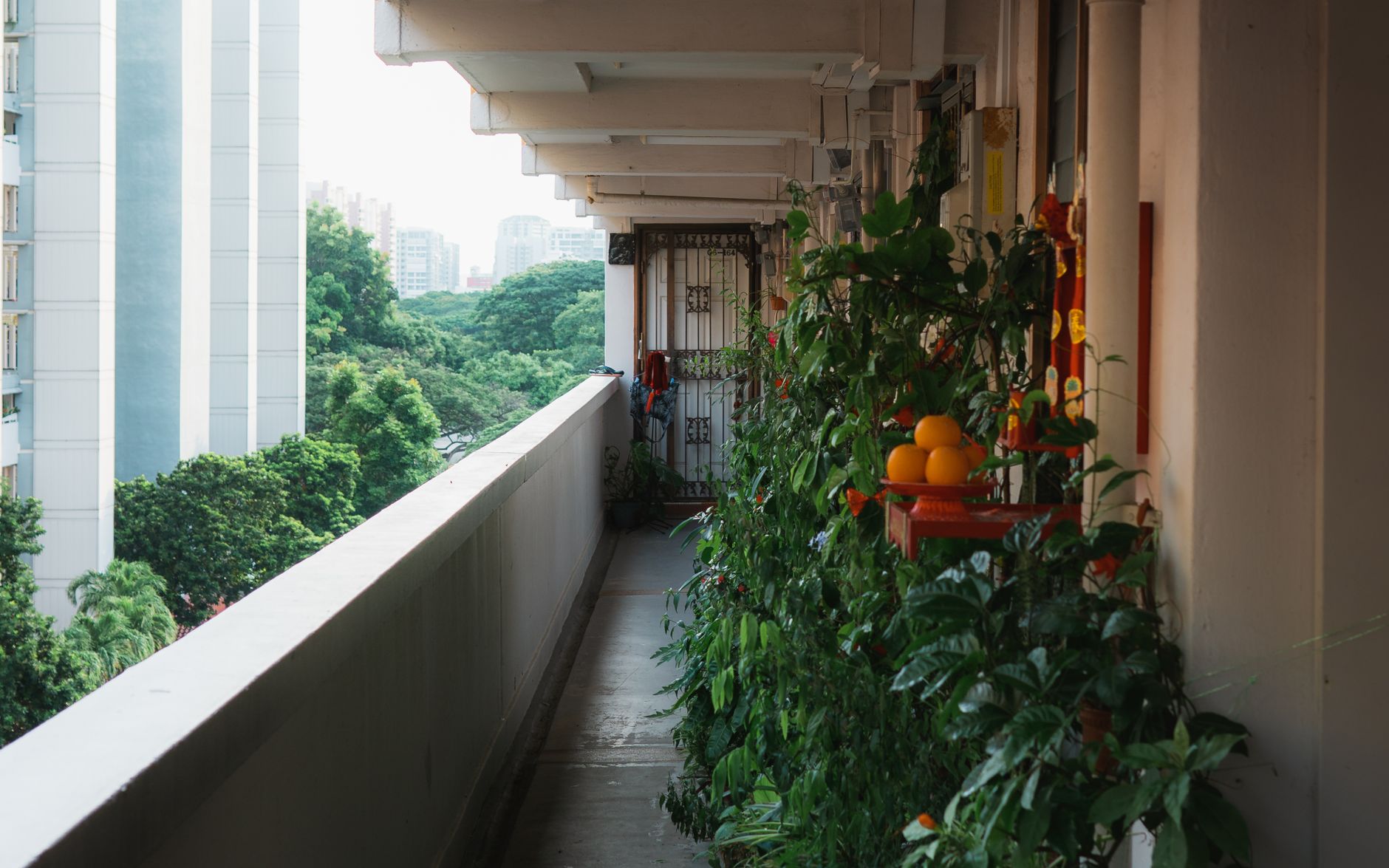
Welcome to the future of urban living! As our cities grow denser and the demand for fresh, sustainable food intensifies, the concept of a personal garden has evolved from a spacious backyard luxury to an innovative, accessible reality for apartment dwellers. By 2026, cultivating your own food in even the smallest of spaces isn't just a trend; it's a practical, rewarding, and increasingly necessary lifestyle choice. Imagine stepping out onto your balcony, into your living room, or even your kitchen, and plucking ripe tomatoes, crisp lettuce, or fragrant herbs that you've grown yourself, free from pesticides and packaged plastics. This isn't just about food security; it's about reconnecting with nature, enhancing your well-being, and contributing to a more sustainable planet, one plant at a time.
This comprehensive guide will equip you with the knowledge and strategies to transform your apartment into a thriving edible oasis. We'll delve into the ingenious methods of vertical gardening, explore the marvels of hydroponics, and uncover smart plant choices that flourish indoors. Whether you're a seasoned green thumb looking for new challenges or a complete novice eager to begin your gardening journey, prepare to discover how you can grow a remarkable bounty of vegetables, herbs, and even some fruits, right within the confines of your apartment.
The Urban Greening Revolution: Why Apartment Gardening Matters in 2026
The landscape of urban living is continually shifting, and with it, our approach to food. By 2026, the impetus behind apartment gardening is stronger than ever, driven by several key factors:
- Food Security and Resilience: Global supply chain disruptions and climate-related agricultural challenges highlight the importance of localized food sources. Growing your own food offers a degree of autonomy and resilience against external volatilities.
- Sustainability and Eco-Consciousness: Reducing food miles, minimizing plastic packaging, and controlling pesticide use are significant benefits. Apartment gardening aligns perfectly with the growing sustainable living movement, empowering individuals to make a tangible environmental impact.
- Health and Well-being: Access to fresh, nutrient-dense produce directly impacts diet quality. Beyond nutrition, the act of gardening itself is a proven stress-reducer, fostering a connection with nature that's often lost in urban environments. Studies suggest that engaging with plants can improve mood, reduce anxiety, and even boost cognitive function.
- Technological Advancements: Innovations in LED lighting, automated watering systems, smart sensors, and compact hydroponic setups have made indoor gardening more efficient, accessible, and less intimidating than ever before. These technologies are democratizing agriculture, bringing farming capabilities into every home.
- Cost Savings: While initial setup costs may vary, over time, consistently growing your own high-value crops like herbs, specialty greens, and certain vegetables can lead to significant savings on your grocery bill.
Apartment gardening isn't just a hobby; it's an investment in your health, your wallet, and the future of sustainable urban living. It's about taking control of what you eat, understanding its origins, and fostering a greener, more vibrant home environment.
Assessing Your Apartment's Potential: Light, Space, and Layout
Before you dive into buying seeds and systems, a thorough assessment of your apartment is crucial. Think of yourself as a spatial strategist, optimizing every inch for plant life.
Understanding Your Light Profile
Light is the fuel for photosynthesis, and its availability will largely dictate what you can grow. Observe your apartment throughout the day:
- South-facing windows: Generally offer the most intense and prolonged direct sunlight, ideal for fruiting plants like tomatoes, peppers, and most herbs.
- East-facing windows: Provide gentle morning sun, suitable for leafy greens like lettuce, spinach, and some herbs that prefer less intense light.
- West-facing windows: Deliver strong afternoon light, which can be intense but also hot. Good for many vegetables, but be mindful of overheating.
- North-facing windows: Offer indirect, diffused light, often insufficient for most food crops without supplemental lighting.
Practical Tip: Use a light meter app on your smartphone (though not professional-grade, they offer a good estimate) or simply track sunlight hours. Most fruiting vegetables need 6-8+ hours of direct sun daily, while leafy greens can thrive on 4-6 hours. If natural light is insufficient, don't despair! Modern LED grow lights are energy-efficient, compact, and highly effective for bridging the light gap.
Optimizing Your Available Space
Every apartment, no matter how small, has untapped potential. Look for:
- Windowsills: Perfect for small herbs and microgreens.
- Balconies/Patios: Offer outdoor conditions, allowing for larger pots and even some small fruit trees. Consider weight limits and wind exposure.
- Vertical Wall Space: The most underutilized asset. This is where vertical gardening systems truly shine.
- Corners and Nooks: Ideal for stacked planters or compact hydroponic systems.
- Under Cabinets/Shelves: With appropriate grow lights, these can become hidden gardens for microgreens or seedlings.
Real-World Example: A resident in a 500 sq ft studio apartment transformed a narrow wall beside their kitchen into a productive vertical garden using a series of repurposed plastic bottles, growing enough herbs and salad greens to supplement their meals daily. Another utilized a small, sunny corner with a multi-tiered hydroponic system for a year-round supply of basil and cherry tomatoes.
Mastering Vertical Gardening: Going Up, Not Out
Vertical gardening is the quintessential small-space solution. By stacking plants upwards, you multiply your growing area without expanding your footprint. It's a design marvel and a productivity powerhouse.
Popular Vertical Gardening Systems for Apartments:
- Wall-Mounted Planters: These systems attach directly to a wall, featuring pockets or shelves. They can range from simple fabric pouches to elaborate modular plastic units.
- Stacked Planters/Towers: Pots designed to stack on top of each other, often with a central watering system. Excellent for strawberries, herbs, and leafy greens.
- Shelving Units: Repurpose an existing bookshelf or invest in a rolling utility cart with shelves. Place plants on each shelf, potentially adding grow lights to illuminate lower levels.
- DIY Solutions: Ingenuity abounds! Consider pallet gardens, repurposed plastic bottle walls (as mentioned before), or even hanging baskets at different heights.
Benefits of Vertical Gardening:
- Space Efficiency: The primary advantage, maximizing yield per square foot.
- Accessibility: Reduces bending and kneeling, making gardening easier for those with mobility issues.
- Aesthetics: Transforms bland walls into living, green art.
- Pest Control: Elevating plants can sometimes deter ground-dwelling pests.
Key Considerations for Vertical Setups:
- Watering: Ensure water drains properly without making a mess. Drip systems or careful hand watering are essential. Some vertical systems are designed with integrated irrigation.
- Structural Support: Heavy, water-filled planters need sturdy anchoring, especially on walls or balconies.
- Sunlight Distribution: Ensure all levels of the vertical garden receive adequate light. Rotate plants or use supplementary lighting if necessary.
Practical Tip: For a simple start, use a three-tiered rolling cart. Place light-loving plants like herbs on the top tier, and shade-tolerant greens or starts on the lower tiers, rotating them regularly. You can also attach small LED strip lights to the underside of each shelf to provide consistent light to the plants below.
Hydroponics for the Home: Soil-Free Solutions for Urban Dwellers
Hydroponics, the practice of growing plants without soil, using mineral nutrient solutions dissolved in water, has revolutionized indoor gardening. It's cleaner, more efficient, and often yields faster growth rates – perfect for apartments.
Why Hydroponics Excels in Apartments:
- No Soil, No Mess: Eliminates dirt, pests often associated with soil, and the general mess of traditional gardening.
- Water Efficiency: Hydroponic systems use up to 90% less water than traditional soil gardening because water is recirculated.
- Faster Growth and Higher Yields: Plants receive nutrients directly, optimizing uptake and accelerating growth.
- Year-Round Growing: Controlled indoor environments allow for cultivation regardless of external weather.
- Compact Systems: Many home hydroponic setups are designed with small footprints, often integrating vertical principles.
Common Hydroponic Systems for Beginners:
- Deep Water Culture (DWC): Plants sit in net pots with their roots submerged in a nutrient solution, which is aerated by an air pump and air stone. Simple and cost-effective for leafy greens and herbs.
- Nutrient Film Technique (NFT): A thin film of nutrient solution flows over the roots of plants placed in channels. Highly efficient and often used in vertical setups.
- Wick System: A passive system where a wick draws nutrient solution from a reservoir up into the growing medium. Very low maintenance, good for small plants.
- Ebb and Flow (Flood and Drain): The growing tray is periodically flooded with nutrient solution and then drained. More complex but very effective.
- Aeroponics: Roots are suspended in the air and misted with nutrient solution. Extremely efficient but more advanced and often pricey for home setups.
Setting Up Your First Hydroponic System:
- Choose Your System: Start with a simple DWC or wick system, or invest in an all-in-one counter-top unit like an AeroGarden or equivalent for ease of use.
- Light Source: Essential for indoor hydroponics. Full-spectrum LED grow lights are the standard.
- Nutrients: Purchase specialized hydroponic nutrient solutions (usually a multi-part system).
- pH Testing Kit: Crucial for maintaining the correct pH level (typically 5.5-6.5) for nutrient uptake.
- Growing Medium: Rockwool, coco coir, clay pebbles (hydroton) are common choices to support plants in net pots.
Real-World Example: A family in a high-rise apartment uses a compact NFT hydroponic tower on their enclosed balcony. They produce a continuous supply of lettuce, spinach, kale, and strawberries, significantly reducing their grocery store visits for these items.
Top Picks for Small-Space Success: What to Grow Where
Choosing the right plants is paramount for a successful apartment garden. Focus on compact varieties, those with a high yield-to-space ratio, and plants that thrive in controlled environments.
Herbs (Excellent for Windowsills, Vertical, and Hydroponic Systems):
- Basil: Needs warmth and bright light. Prune regularly for bushy growth.
- Mint: Grows vigorously; best in its own pot or hydroponic system to prevent it from taking over.
- Chives: Easy to grow, resilient, and regrows quickly after cutting.
- Cilantro & Parsley: Prefer cooler temperatures and consistent moisture.
- Oregano & Thyme: Drought-tolerant, do well in bright windowsills or vertical planters.
Leafy Greens (Ideal for Vertical and Hydroponic Systems):
- Lettuce (various types): Fast-growing, compact, and perfect for 'cut-and-come-again' harvesting.
- Spinach: Prefers cooler temps and doesn't need intense light.
- Kale: Hearty and productive, can be harvested leaf by leaf.
- Swiss Chard: Beautiful and productive, similar to kale in care.
- Microgreens: A quick, nutrient-dense harvest. Can be grown in shallow trays anywhere with decent light or supplemental grow lights.
Vegetables (Choose Compact Varieties for Balconies or Sunny Spots with Grow Lights):
- Cherry Tomatoes (Dwarf Varieties): Look for 'Patio Princess', 'Tiny Tim', or 'Micro Tom'. Need strong light and support.
- Bush Beans: Unlike pole beans, bush varieties don't vine extensively and are great for containers.
- Radishes: Quick growing and don't require deep soil.
- Carrots (Short Varieties): 'Paris Market' or 'Danvers Half Long' are good for shallower containers.
- Bell Peppers (Dwarf Varieties): Compact plants that yield small, sweet peppers.
- Scallions/Green Onions: Can be regrown from their white ends in a glass of water.
Fruits (Challenging but Possible for Dedicated Growers):
- Strawberries: Excellent in vertical planters or hanging baskets, especially June-bearing or everbearing varieties.
- Dwarf Citrus Trees: Meyer lemons or calamondin oranges can be grown in large pots on sunny balconies.
Practical Tip: When buying seeds or starts, always check the plant's mature size and light requirements. Look for labels like 'dwarf,' 'bush,' 'compact,' or 'patio' varieties.
Beyond the Basics: Smart Tech and Sustainable Practices
The urban gardener of 2026 isn't just about soil and water; it's about smart resource management and embracing innovative technologies that make gardening easier and more productive.
Embracing Smart Technology:
- Automated Watering Systems: Drip irrigation systems with timers can handle watering schedules for vertical gardens, ensuring consistent moisture without daily effort.
- Smart Grow Lights: Programmable LED lights can mimic natural daylight cycles, adjust intensity, and even optimize spectrums for different growth stages, all controlled via a smartphone app.
- Environmental Sensors: Small IoT devices can monitor temperature, humidity, light intensity, and even nutrient levels (for hydroponics), alerting you to any issues and providing data-driven insights.
- Self-Contained Hydroponic Gardens: Many commercial units now come with integrated pumps, lights, and nutrient dispensers, often with app control for a truly 'set-it-and-forget-it' experience.
Sustainable Practices for the Apartment Gardener:
- Composting: Even in an apartment, composting food scraps (with a vermicomposting bin or Bokashi system) can create nutrient-rich soil amendments for potted plants, reducing waste.
- Rainwater Harvesting: If you have a balcony, a small rain barrel can collect water for your plants, reducing reliance on tap water.
- Seed Saving: Learning to save seeds from your most successful crops reduces costs and fosters self-sufficiency.
- Pest Management: Employ organic pest control methods like neem oil, insecticidal soap, or introducing beneficial insects (e.g., ladybugs for aphids, if suitable for your indoor environment) rather than chemical pesticides.
- Recycling and Upcycling: Repurpose plastic containers, old furniture, or even fabric bags into planters and gardening tools.
Real-World Example: A growing number of apartment complexes are installing communal rooftop gardens or vertical farm walls, allowing residents to collectively grow food, share knowledge, and reduce food waste through composting initiatives. This community-driven approach to sustainable urban farming is a key trend for 2026.
Nurturing Your Urban Oasis: Essential Care and Troubleshooting
Even with the best setup, plants need consistent care. Understanding common issues and how to address them will ensure your apartment garden thrives.
Essential Care Routines:
- Watering: The most frequent task. Check soil moisture daily by sticking your finger an inch or two deep. Water when the top inch feels dry. For hydroponics, regularly check reservoir levels and top up with nutrient solution as needed.
- Feeding: Potted plants deplete nutrients. Use a balanced liquid fertilizer every 2-4 weeks, following package instructions. Hydroponic systems require consistent nutrient solution maintenance.
- Pruning and Harvesting: Regularly 'pinch back' herbs and leafy greens to encourage bushier growth and prevent legginess. Harvest outer leaves or entire plants strategically. For fruiting plants, remove spent flowers or diseased leaves.
- Pest and Disease Checks: Inspect your plants regularly for signs of pests (small bugs, sticky residue, chewed leaves) or diseases (spots, wilting, discolored foliage). Early detection is key.
- Light Adjustment: Rotate plants to ensure even light exposure, or adjust your grow lights as plants grow taller.
Common Troubleshooting Challenges:
- Yellowing Leaves: Often indicates overwatering, underwatering, or a nutrient deficiency. Check soil moisture first, then consider fertilizer. In hydroponics, check pH and nutrient concentration.
- Leggy, Stretched Plants: A clear sign of insufficient light. Move plants to a brighter spot or increase grow light intensity/duration.
- Wilting: Can be caused by underwatering (soil is dry) or overwatering (roots are waterlogged). Feel the soil. It can also be a sign of disease or extreme heat.
- Pests (Aphids, Spider Mites, Fungus Gnats):
- Aphids & Spider Mites: Spray with a gentle stream of water or insecticidal soap. Neem oil is also effective.
- Fungus Gnats: Indicate overwatered soil. Let soil dry out more between waterings. Yellow sticky traps can help catch adults.
- Algae Growth (Hydroponics): Caused by light exposure to the nutrient reservoir. Block out light by covering the reservoir or using opaque containers. Algae competes for nutrients.
Practical Tip: Keep a small spray bottle with diluted neem oil solution handy. A quick spray every week or two can act as a preventative measure against many common indoor plant pests.
Key Takeaways
- Apartment gardening in 2026 is driven by sustainability, health, technology, and food security.
- Assess your apartment's light and space to determine the best locations and plant types.
- Vertical gardening maximizes yield in small footprints using wall-mounted, stacked, or shelved systems.
- Hydroponics offers a clean, water-efficient, and often faster way to grow food indoors without soil.
- Choose compact varieties of herbs, leafy greens, and specific vegetables for best results in confined spaces.
- Integrate smart technologies like automated watering and grow lights for optimized, low-maintenance gardening.
- Practice sustainable habits like composting and organic pest control to enhance your eco-friendly urban farm.
- Consistent watering, feeding, pruning, and diligent pest checks are vital for a thriving apartment garden.
FAQ: Your Apartment Gardening Questions Answered
Q1: Can I really grow enough food in an apartment to make a difference in my grocery bill?
A: Absolutely! While you might not replace all your groceries, strategically growing high-value items like fresh herbs, specialty greens (arugula, kale), cherry tomatoes, and even strawberries can significantly reduce specific purchases. Think about the cost of a small bunch of organic basil or a pint of heirloom cherry tomatoes at the store. Your home-grown versions are not only fresher and often tastier but also come at a fraction of the cost over time. The key is to focus on plants you consume frequently and those that are expensive to buy fresh. Vertical and hydroponic systems, with their high yield-per-square-foot, are particularly effective for this.
Q2: How much time does apartment gardening actually take, especially with hydroponics?
A: The time commitment can vary based on your system and desired involvement. A basic soil-based windowsill herb garden might only need a few minutes of watering every couple of days. More advanced vertical or hydroponic systems can be surprisingly low-maintenance once set up. Automated hydroponic units can often run for weeks with minimal intervention, requiring only weekly or bi-weekly nutrient solution changes and pH checks, plus occasional plant care like pruning. Manual systems might require a bit more daily attention for observation and light adjustments. Overall, you can tailor the time commitment to your lifestyle – from a casual hobbyist to a dedicated urban farmer, there's a solution for everyone.
Q3: What are the biggest initial costs for starting an apartment garden, and how can I keep them down?
A: The primary initial costs usually involve planters/systems, grow lights (if needed), seeds/starts, and growing media/nutrients. For vertical gardening, modular systems or sturdy shelving can be an investment. For hydroponics, all-in-one kits or the individual components (reservoir, pump, lights, nutrients) add up. To keep costs down:
Think of it as a gradual investment. You don't need to buy everything at once.
- Start Small & Simple: Begin with inexpensive pots, repurposed containers, and easy-to-grow seeds.
- DIY Systems: Many vertical and even some hydroponic systems can be built from recycled materials or common household items.
- LED Grow Lights: While an initial expense, they are energy-efficient and last a long time, quickly paying for themselves. Look for entry-level full-spectrum LEDs.
- Shared Resources: Join local gardening groups; sometimes you can find free or cheap cuttings, seeds, or even used equipment.
- Prioritize: Invest in quality light if natural light is poor, as it's the most critical factor for indoor growth.
Q4: My apartment has very little natural light. Can I still grow anything edible?
A: Absolutely! Lack of natural light is a common challenge for apartment dwellers, but it's far from a showstopper for edible gardening. The solution lies in quality supplementary lighting. Modern LED grow lights are incredibly efficient, emit very little heat, and come in various sizes and intensities, making them perfect for urban indoor farming. With the right full-spectrum LED setup, you can grow a vast array of herbs, leafy greens, and even some fruiting plants like dwarf tomatoes or peppers, regardless of how dark your apartment is. You can even create a dedicated 'grow closet' or use a small grow tent to create a fully controlled environment, maximizing your yield year-round.
As we navigate the complexities of 2026 and beyond, the ability to cultivate fresh food within our homes offers more than just sustenance; it provides a profound connection to the natural world, a boost to our well-being, and a tangible step towards a more sustainable future. Whether you embrace the elegant efficiency of vertical gardening, the soil-free innovation of hydroponics, or a blend of both, your apartment holds immense potential to become a vibrant, productive oasis. Start small, experiment, and enjoy the journey of watching your urban garden flourish. The satisfaction of harvesting your own food, knowing exactly where it came from, is a reward unlike any other. Happy growing!
Comments (0)
To comment, please login or register.
No comments yet. Be the first to comment!