Zero Waste

Apartment Composting in 2026: A Step Towards Zero Waste with Practical Methods

Apartment Composting in 2026: A Step Towards Zero Waste with Practical Methods

Why Are We Still Talking About Composting in 2026? An Environmentally Conscious Transformation

As we arrive in 2026, the climate crisis and waste problems facing our planet are more pronounced than ever. Changing our consumption habits and achieving the goal of zero waste has ceased to be an individual choice and has become a societal necessity. One of the most fundamental cornerstones of this transformation is undoubtedly composting. Instead of letting our kitchen waste disappear into the bin, turning it into a valuable resource both reduces our environmental footprint and revitalizes our soil.

Is Composting in an Apartment a Dream? The 2026 Reality!

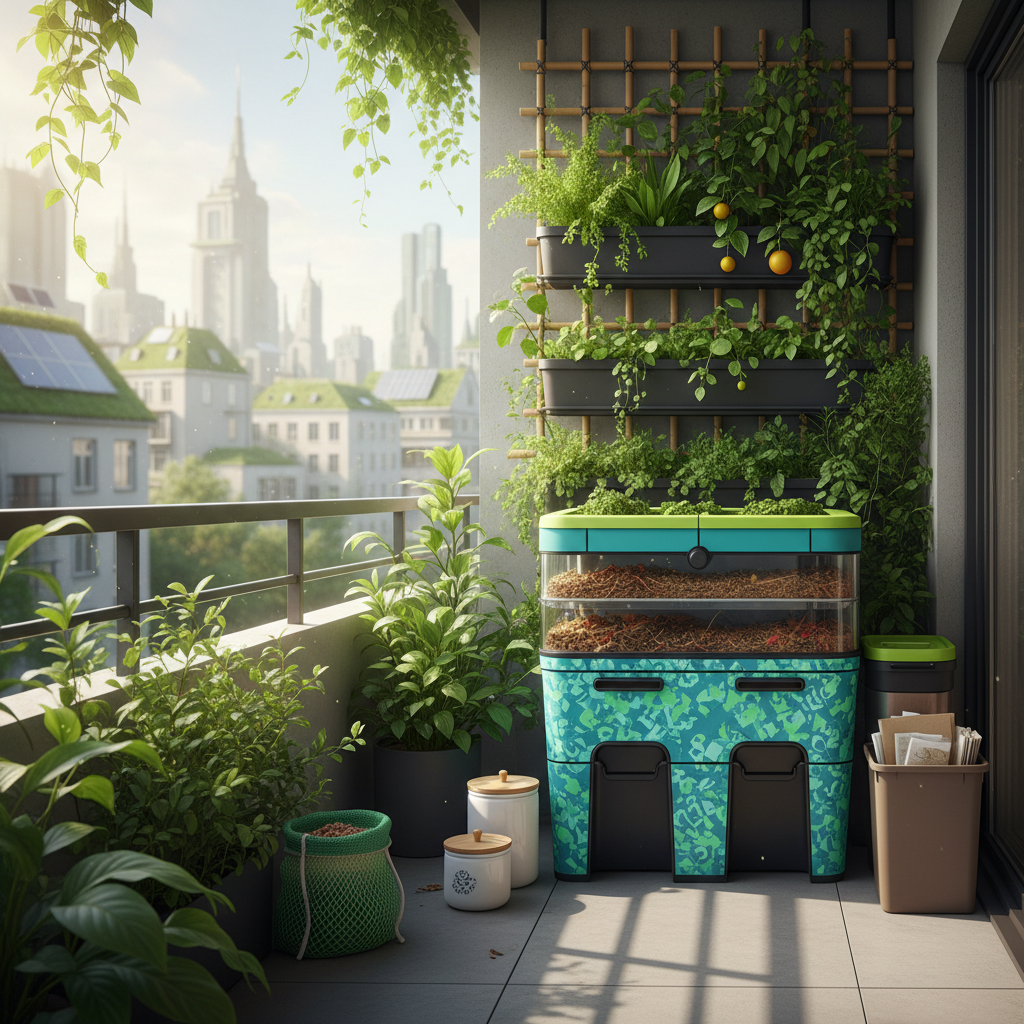
The misconception that “I need a big garden to compost” is completely outdated in 2026. With technological advancements and increased sustainability awareness, apartment composting has become easier and more accessible than ever before. While compost bins used to raise concerns about odor or pests, modern systems developed today have largely eliminated these worries. The limited spaces brought about by city life are no longer an obstacle to composting.

“In 2026, every kitchen is not just a place where food is cooked, but also a small transformation center that produces resources for the future.”

Popular Apartment Composting Methods (with 2026 Updates)

Here are the most preferred and practical composting methods for apartments as of 2026:

  • Bokashi Composting: Operating through an anaerobic fermentation process, Bokashi is one of the fastest ways to create odorless compost. Thanks to special probiotic inoculants, your kitchen waste, including meat and dairy products, ferments rapidly and decomposes quickly when buried in soil. In 2026, smart Bokashi bins are equipped with sensors that optimize the fermentation process.
  • Worm Composting (Vermicomposting): The high-quality fertilizer produced by Red Wiggler worms eating organic waste is an excellent option for apartment dwellers. Next-generation vermicompost bins feature aesthetic designs, ventilation systems, and even digital displays showing moisture levels, making them both practical and modern. The odor is almost non-existent, and the process is quite fast.
  • Electric Composting Machines: The greatest convenience of 2026 for those with busy city lives! These machines grind and heat waste, transforming it into a dry, soil-like substance within a few hours. They are not bulky, filter odors, and some models can even be controlled via smartphone apps. Yes, their cost might be a bit high, but the speed and practicality they offer are invaluable.
  • Traditional Indoor Bins (with Modern Touches): Although the basic principle remains the same, today's indoor compost bins minimize odor and pest problems with carbon filters, well-designed ventilation holes, and airtight lids. These typically function more like 'recycling bins' and are ideal for collecting waste to later take to a community composting center.

Which Wastes Are Suitable for Composting? (2026 Updated Guide)

Choosing the right waste is key to successful composting:

  • Yes, You Can Compost: Fruit and vegetable peels, tea grounds and bags, coffee grounds and filters, eggshells (crushed), stale bread (in small pieces), dry leaves, small twigs, sawdust, paper towels and napkins (chemical-free), plant residues, and wilted flowers.
  • No, Avoid: Meat, fish, and bone scraps (except with Bokashi), dairy products, oils and fats (except with Bokashi), diseased plants, dog and cat feces, chemically treated papers, glass, metal, plastic.

Apartment Composting Tips: Keys to Success

Here are some important points to consider when composting in an apartment environment:

  • Right Location: Place your compost bin in a well-ventilated area away from direct sunlight. A shaded part of the balcony or a cool corner of the kitchen is ideal.
  • Moisture Balance: Ensure your compost is neither too wet nor too dry. It should have the consistency of a damp sponge. Sprinkle water or add dry materials if necessary.
  • Aeration: Regular aeration, especially in worm composting, prevents odor and speeds up the process. Electric machines are already automatic in this regard.
  • Odor Control: If odor occurs, add more brown materials (dry leaves, sawdust) and mix. Bokashi and electric machines are the best for controlling odor.
  • Small Pieces: The smaller you break down the waste, the faster the decomposition process will be.
  • Patience: Composting is a natural process. There might be some trial and error initially, but you will master it over time.

How to Utilize Your Compost Fertilizer?

Time to reap the rewards of your effort! Here are ways to utilize your ready-made compost fertilizer:

  1. Your Potted Plants: It's an excellent nutrient source for your houseplants and ornamental plants. Use it by mixing it with soil.
  2. Balcony Gardening: Enhance soil fertility in your balcony garden where you grow your own fruits and vegetables.
  3. Share with Neighbors: Contribute to sustainability by sharing your excess compost with your neighbors or a local community garden.
  4. Local Green Spaces: Some municipalities or non-governmental organizations use collected compost in parks or for reforestation efforts.

Conclusion: Step Towards a Sustainable Future in 2026!

In 2026, apartment composting is not just an eco-friendly activity but an integral part of a modern and conscious lifestyle. Obstacles like odor, space, or difficulty have been eliminated with developing technology and increasing knowledge. By transforming your kitchen waste into a valuable resource, you both fulfill your responsibility to our planet and create a difference in your own small ecosystem. Come on, join this sustainable journey and take another step towards your zero waste goal!

Comments (0)

No comments yet. Be the first to comment!

biMoola Assistant
Hello! I am the biMoola Assistant. I can answer your questions about AI, sustainable living, and health technologies.