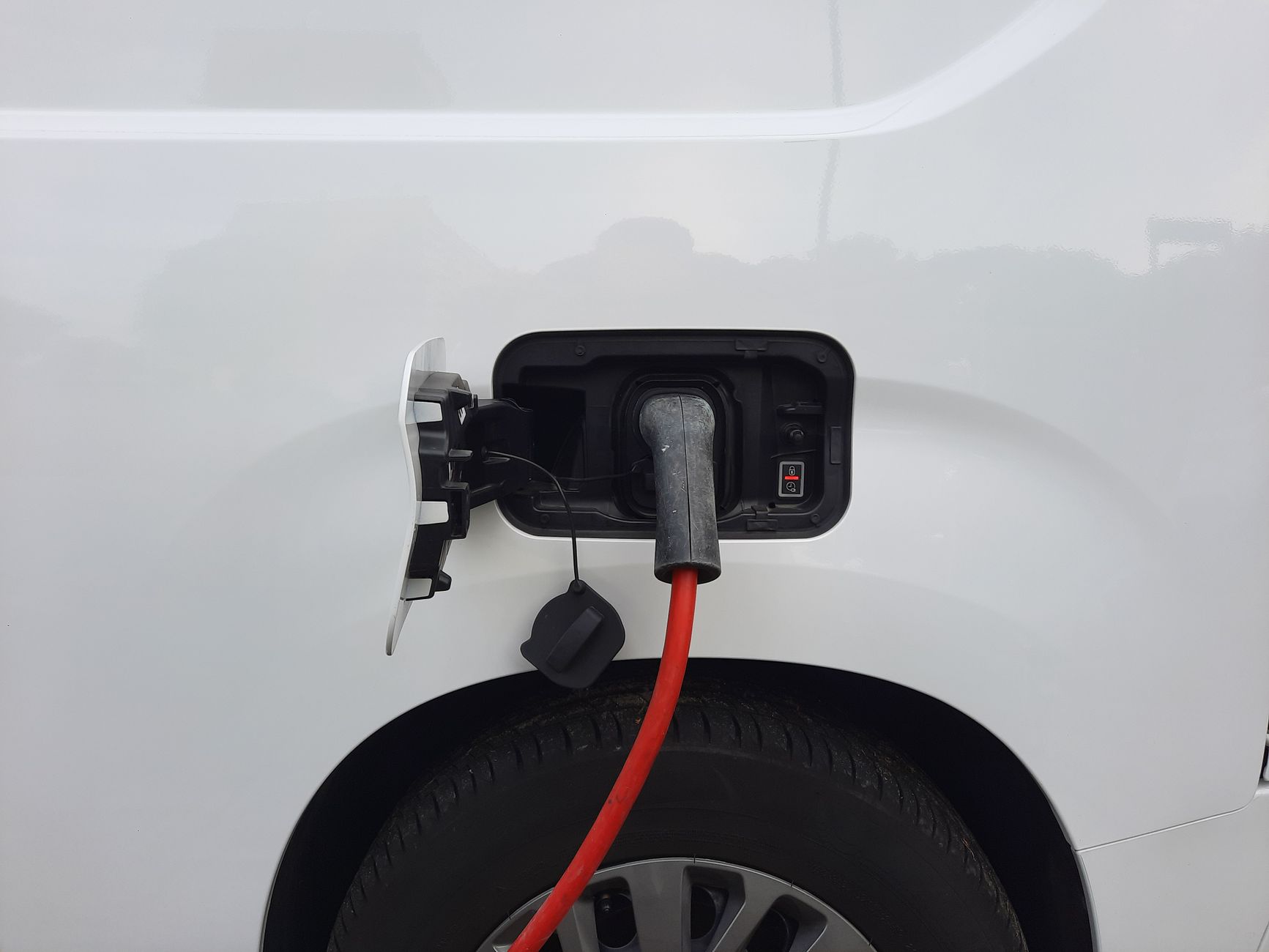
In an era increasingly defined by technological innovation and a global push towards environmental consciousness, the automotive industry stands at a critical juncture. The transition from internal combustion engines to electric powertrains is not just an upgrade; it's a fundamental shift towards a more sustainable future. While early electric vehicles (EVs) were often characterized by urban practicality, a new wave of robust, high-performance EVs is emerging, pushing the boundaries of what electric mobility can achieve. Among these, All-Wheel Drive (AWD) electric vehicles are carving out a significant niche, offering unparalleled versatility and power that aligns perfectly with the demands of modern, sustainable living.
The recent introduction of powerful AWD electric models in various markets, such as the Opel Grandland Electric AWD in Turkey, signals a broader trend. These vehicles are not just about reducing carbon footprints; they're about delivering a compelling driving experience that doesn't compromise on performance or capability. This evolution is crucial for widespread EV adoption, as it addresses long-standing concerns about range, power, and adaptability to diverse terrains and weather conditions. For those committed to integrating sustainable choices into every facet of their lives, AWD EVs represent a significant leap forward.
The Electric Revolution and Sustainable Mobility
The global shift towards electric vehicles is more than a fleeting trend; it's a foundational component of sustainable mobility. Governments, manufacturers, and consumers worldwide are recognizing the urgent need to decarbonize transportation, which is a major contributor to greenhouse gas emissions. Electric vehicles offer a viable pathway to drastically reduce tailpipe emissions, leading to cleaner air in urban centers and a slower pace of climate change.
Beyond the direct environmental benefits, the electric revolution encourages innovation across various sectors. It drives advancements in battery technology, renewable energy generation for charging, and the development of smart grid systems. This interconnectedness means that choosing an EV contributes to a larger ecosystem of sustainable practices. As manufacturing processes become greener and supply chains for battery components evolve to be more ethical, the overall environmental footprint of EVs continues to shrink, solidifying their role as a cornerstone of future transportation.
However, true sustainable mobility isn't just about zero emissions; it's also about efficiency, accessibility, and resilience. Modern EVs, especially those with advanced powertrains, are designed with these principles in mind. They offer immediate torque, smooth acceleration, and often incorporate regenerative braking systems that recapture energy, further enhancing efficiency. This blend of performance and ecological responsibility is what truly defines the current electric vehicle landscape.
Beyond the City: The Rise of All-Wheel Drive EVs
Historically, EVs were often perceived as city cars, limited by range and less capable in challenging conditions. The advent of AWD EVs shatters this stereotype. All-wheel drive capability, long a staple in SUVs and performance cars, brings a new dimension of versatility to the electric segment. By powering all four wheels, these vehicles offer superior traction, stability, and control, making them ideal for a wider range of driving scenarios – from navigating snowy mountain passes to handling light off-road trails or simply providing enhanced safety on wet roads.
The integration of electric motors into an AWD system often means each axle can be powered independently. This allows for incredibly precise torque vectoring, where power is instantly distributed to the wheels with the most grip. Unlike mechanical AWD systems in traditional vehicles, electric AWD can react almost instantaneously, leading to significantly better handling and responsiveness. This characteristic not only enhances safety but also unlocks a dynamic driving experience that can rival or even surpass conventional performance vehicles.
For individuals living in regions with varied climates or those who enjoy outdoor activities requiring travel beyond paved roads, AWD EVs eliminate a key barrier to adoption. They provide the confidence and capability needed, demonstrating that opting for an electric future doesn't mean sacrificing adventure or practical utility. Models like the Opel Grandland Electric AWD, with its robust power output, exemplify this shift, proving that electric can indeed be rugged and ready for anything.
Performance Meets Planet: The Engineering Behind Modern EVs
The heart of a powerful EV lies in its electric powertrain and battery technology. Modern electric motors are incredibly efficient and capable of delivering instant torque, which translates to exhilarating acceleration. For instance, a vehicle with a power output around 239 kW (approximately 320 horsepower) can offer brisk performance comparable to many gasoline-powered sports sedans or SUVs, but with the added benefit of zero tailpipe emissions.
Battery technology is continually advancing, offering greater energy density, faster charging times, and improved longevity. Lithium-ion batteries, the current standard, are becoming more sophisticated, with manufacturers exploring solid-state batteries and other chemistries that promise even further breakthroughs. These advancements directly address 'range anxiety,' a common concern among potential EV buyers, by extending how far vehicles can travel on a single charge.
Beyond raw power and range, the engineering of modern EVs also focuses on intelligent energy management. Sophisticated software optimizes battery usage, manages thermal conditions, and controls the distribution of power across the AWD system for maximum efficiency and performance. Regenerative braking, where the motors act as generators to replenish the battery during deceleration, further contributes to efficiency, particularly in stop-and-go urban driving. This holistic approach to engineering ensures that high-performance EVs are not just powerful, but also smart and truly sustainable.
Navigating the EV Landscape: Infrastructure and Adoption Challenges
While the benefits of electric vehicles are compelling, their widespread adoption still faces several hurdles. A primary concern is the development of robust charging infrastructure. The availability of reliable and fast charging stations, both in urban centers and along major travel routes, is crucial for alleviating range anxiety and making EVs a practical choice for all drivers.
Governments and private companies are investing heavily in expanding charging networks. Initiatives like rapid DC fast chargers, which can significantly replenish a battery in less than an hour, are becoming more common. Furthermore, innovations in smart charging and vehicle-to-grid (V2G) technology are beginning to emerge, allowing EVs to not only draw power from the grid but also feed excess energy back, potentially stabilizing power grids and creating new revenue streams for owners.
Another significant factor affecting adoption is the initial purchase cost of EVs. While battery prices are declining and government incentives often help offset the premium, EVs can still be more expensive upfront than comparable gasoline vehicles. However, when considering the total cost of ownership, including lower fuel (electricity) costs, reduced maintenance, and potential tax credits, EVs often prove to be more economical over their lifespan. Public education and transparent financial comparisons are vital to help consumers understand these long-term benefits.
Integrating EVs into a Sustainable Lifestyle
Adopting an EV, especially an AWD model, is a significant step towards a more sustainable lifestyle. It extends beyond just environmental consciousness to embrace a broader commitment to efficiency, innovation, and responsible resource consumption. For those seeking to minimize their ecological footprint, pairing an EV with other sustainable choices amplifies the positive impact.
Consider powering your EV with renewable energy. Installing solar panels at home to generate your own electricity for charging your vehicle creates a truly closed-loop, zero-emission transportation system. Similarly, choosing an electricity provider that sources its energy from wind, solar, or hydro power directly contributes to a cleaner grid, making your EV even greener.
An EV also encourages a different relationship with transportation. With lower running costs and reduced maintenance needs, owners can spend less time and money at gas stations and repair shops, freeing up resources for other sustainable activities or investments. Furthermore, the quieter operation and smoother ride of EVs contribute to a more peaceful environment both inside and outside the vehicle, enhancing overall quality of life.
Key Takeaways for Sustainable Mobility
- AWD EVs Offer Versatility: Modern All-Wheel Drive electric vehicles provide enhanced traction, stability, and performance, suitable for diverse driving conditions and terrains.
- Environmental Benefits Are Significant: EVs drastically reduce tailpipe emissions, contributing to cleaner air and combating climate change.
- Performance Doesn't Compromise: With instant torque and powerful electric motors (e.g., 239 kW systems), EVs offer a dynamic and engaging driving experience.
- Infrastructure is Growing: Global efforts are expanding charging networks, including fast-charging options, to support wider EV adoption.
- Holistic Sustainable Living: Integrating an EV into a lifestyle that includes renewable home energy sources maximizes its environmental advantages.
FAQ: Understanding Electric Vehicles and Sustainability
-
What are the main environmental benefits of switching to an electric vehicle?
The primary environmental benefit of EVs is the elimination of tailpipe emissions, such as carbon dioxide (CO2), nitrogen oxides (NOx), and particulate matter, which contribute to air pollution and climate change. Even when charged using electricity generated from fossil fuels, EVs are generally cleaner than gasoline cars due to the higher efficiency of power plants compared to internal combustion engines. This benefit is significantly amplified when EVs are charged with renewable energy sources like solar or wind power.
-
How does All-Wheel Drive (AWD) technology in an EV differ from traditional gasoline cars?
In electric vehicles, AWD systems often utilize multiple electric motors, typically one for each axle or even one per wheel. This allows for incredibly precise and instantaneous control over torque distribution to each wheel. Unlike mechanical AWD systems in gasoline cars, which rely on driveshafts, differentials, and transfer cases, electric AWD can adjust power delivery thousands of times per second, optimizing traction and stability far more effectively. This results in superior handling, quicker response, and enhanced safety in varying road conditions.
-
What are the biggest challenges to widespread EV adoption, and how are they being addressed?
Two of the biggest challenges are charging infrastructure and initial vehicle cost. Regarding charging, governments and private companies are investing heavily in expanding public charging networks, including high-speed DC fast chargers, and incentivizing home charger installations. For cost, battery technology advancements are reducing production costs, and many governments offer purchase incentives, tax credits, or rebates. As economies of scale increase and battery technology continues to improve, EV prices are expected to become more competitive with traditional vehicles.
The journey towards a truly sustainable future is multifaceted, and sustainable mobility plays an indispensable role. The continued evolution of electric vehicles, particularly the emergence of powerful and versatile AWD models, underscores a commitment to innovation that doesn't compromise on environmental responsibility. These vehicles are more than just a means of transport; they are a statement of intent, demonstrating that performance, capability, and ecological consciousness can indeed coexist. As technology advances and infrastructure expands, the appeal and practicality of EVs will only continue to grow, paving the way for a cleaner, greener tomorrow.
The information provided in this article is for general informational purposes only and does not constitute professional advice. While we strive for accuracy, the automotive and technology landscapes are constantly evolving. Readers are encouraged to consult official manufacturer specifications and local regulations for the most current and specific information regarding electric vehicles, their features, and availability in their region.
Comments (0)
To comment, please login or register.
No comments yet. Be the first to comment!