Green Technology

2026 Turkey: Electric Vehicle Purchase Guide – Cost, Charging, and Carbon Footprint

2026 Turkey: Electric Vehicle Purchase Guide – Cost, Charging, and Carbon Footprint

Transition to Electric Vehicles: What Awaits You in Turkey in 2026?

Hello sustainable living enthusiasts and drivers of the future! Electric vehicles (EVs) are now much more than just a trend; they are becoming an indispensable part of our lives in Turkey by 2026. So, if you're considering buying an electric vehicle on the cusp of this transformation, you've come to the right place. As an experienced SEO specialist and content strategist, I will provide you with all the details of owning an electric vehicle in Turkey in 2026 through this comprehensive guide. We will lay everything on the table, from costs to charging infrastructure, environmental impacts to practical tips.

A Quick Look at Turkey's Electric Vehicle Market in 2026

The electric vehicle sector, which gained momentum in recent years, has entered a period of maturity in Turkey by 2026. We can now see EV models not just in the luxury segment but also suited for every budget, with varying ranges and features. In this period, where domestic production Togg has also solidified its place among market leaders, increasing competition accelerates both technological developments and offers consumers more options. This dynamic environment makes purchasing an electric vehicle more appealing than ever.

Cost Analysis: How Advantageous is Buying an Electric Vehicle?

One of the first questions that comes to mind when buying an electric vehicle is undoubtedly the cost. Although the initial investment cost is still slightly higher than its gasoline or diesel counterparts, by 2026, this difference continues to close thanks to government incentives and SCT (Special Consumption Tax) reductions. However, the real gain comes from operating costs:

  • Fuel Savings: The cost of electricity is much lower compared to gasoline or diesel prices. Especially if you have the option to charge at home, these savings increase even further.
  • Tax Advantages: Motor Vehicle Tax (MTV) rates are significantly lower for electric vehicles.
  • Maintenance Costs: Since electric vehicles have fewer complex mechanical parts like engines and transmissions, their maintenance costs are 30-50% lower than traditional vehicles.
  • Long-Term Value: Developments in battery technologies and increasing demand indicate that electric vehicles will retain their value better in the second-hand market.

Remember, when evaluating the true cost of an electric vehicle, the Total Cost of Ownership (TCO) is more important than the purchase price.

Charging Infrastructure: Where Has Turkey Reached by 2026?

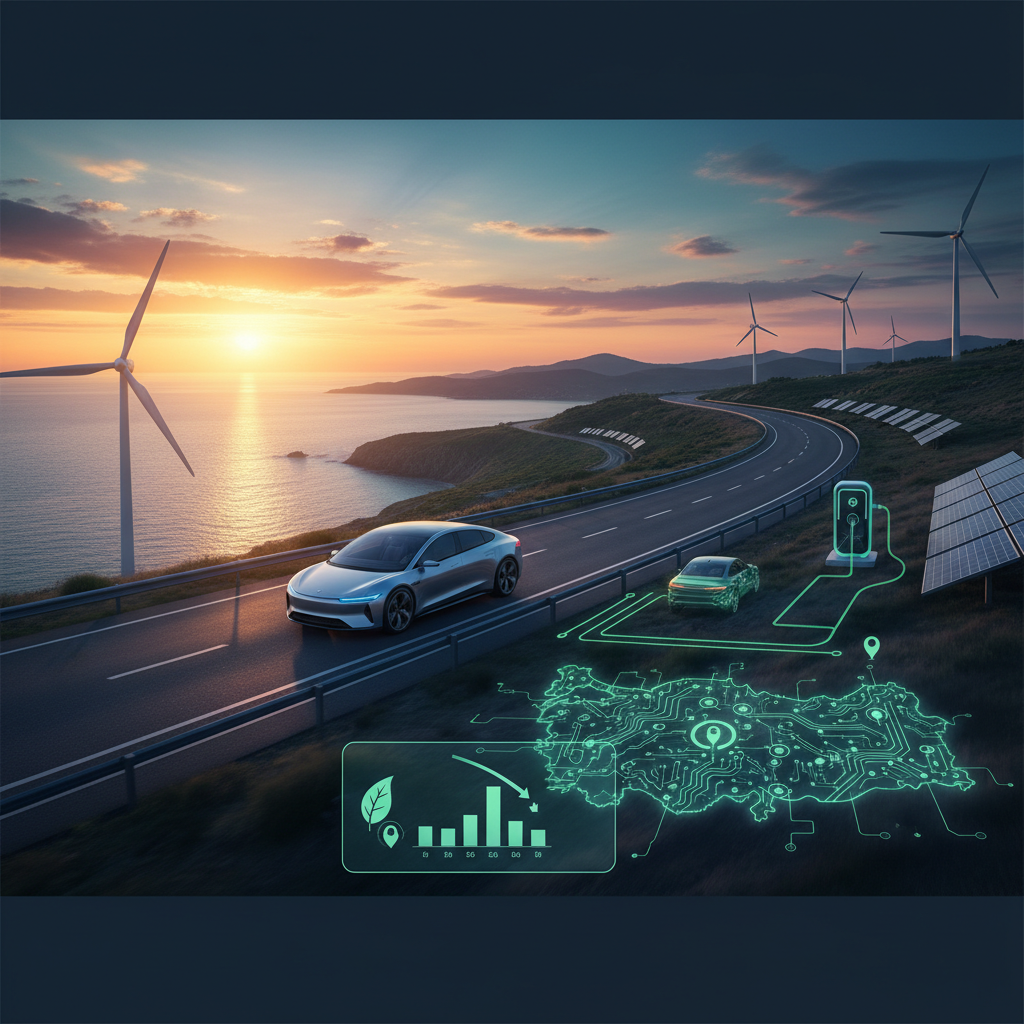
Range anxiety is slowly becoming a thing of the past. By 2026, a widespread charging infrastructure network has been established across Turkey, from city centers to highways. While the number of public charging stations has increased exponentially, shopping malls, workplaces, and parking lots have also taken significant steps to install their own charging units.

  • Home Charging: With smart home charging units (wallbox), you can charge your vehicle at a low rate overnight and start each morning with a full battery. This is the most convenient and practical charging method.
  • Fast Charging Stations (DC): Especially for long journeys, DC fast charging stations, which provide a high percentage of battery charge within minutes, are widely available on highways and main arteries. Major operators like Eşarj, Zes, and Trugo are continuously expanding their networks.
  • AC Charging Points: Slower AC charging points are generally preferred for longer parking durations in urban areas, parking lots, and shopping centers.

With 2026 technology, V2G (Vehicle-to-Grid) and V2L (Vehicle-to-Load) features transform your vehicle from merely a means of transport into a mobile energy storage unit. You can supply electricity to your home or power your electrical appliances outdoors while camping.

Carbon Footprint and Environmental Impact: Truly Green?

One of the biggest promises of electric vehicles is to contribute to sustainable living by reducing their carbon footprint. So, how green are they really? From a 2026 perspective:

“Zero-emission driving is the direct environmental benefit of electric vehicles. However, the total carbon footprint assessment varies depending on battery production and the method of electricity generation used.”

With the increasing share of renewable sources in Turkey's energy production (solar and wind power plants), the carbon intensity of the electricity used to charge electric vehicles is decreasing. Furthermore, recycling processes in battery technologies have advanced, and new facilities have been established for the reuse or recycling of end-of-life batteries. As a result, the environmental impact of EVs throughout their lifecycle is significantly lower than traditional vehicles and will continue to decrease.

Driving Experience and Technology: The Future Behind the Wheel

Electric vehicles are not only environmentally friendly but also offer a superior driving experience. Their impressive acceleration due to instant torque, silent and vibration-free operation promise a peaceful drive even in city traffic. In 2026 models, advanced driver-assistance systems (ADAS), autonomous driving features, and AI-powered infotainment systems have become standard. Your car no longer just takes you from point A to point B; it can also be your digital assistant, entertainment hub, and even your mobile office.

Things to Consider When Choosing an Electric Vehicle

Before buying an electric vehicle, you should consider a few important points:

  1. Range Requirement: Choose a model with a range suitable for you, considering your daily usage habits and the frequency of long journeys.
  2. Battery Warranty: Batteries are the most critical part of an electric vehicle. Opt for brands that offer long warranty periods (generally 8 years or 160,000 km).
  3. Charging Speed and Type: Check both the AC and DC charging speeds of the vehicle and the types of charging ports it uses (e.g., CCS2).
  4. Brand and Service Network: Research the widespread availability of the service and spare parts network in Turkey. Domestic production Togg offers a significant advantage in this regard.
  5. Resale Value: Models that are popular in the market and have good battery health will have a higher resale value.

Investing in the Future: Long-Term Benefits of Electric Vehicle Ownership

Buying an electric vehicle is an investment not just in today, but in the world of tomorrow. Beyond cost savings, the awareness of reducing environmental impact and contributing to cleaner air enhances the intrinsic benefits of EV ownership. Privileges such as parking advantages, special lanes, and access to low-emission zones for electric vehicles in cities will further improve your driving experience. For 2026 and beyond, electric vehicles will continue to be a smart choice for both your personal budget and our planet.

Conclusion: Is Buying an Electric Vehicle in 2026 Sensible?

Absolutely yes! Owning an electric vehicle in Turkey in 2026 is more sensible and accessible than ever before. The developing charging infrastructure, attractive cost advantages, zero-emission driving experience, and technological innovations make these vehicles not the transportation solution of the future, but of today. Do not delay transitioning to electric vehicles, which is one of the wisest decisions for a sustainable future and for your wallet. With the information in this guide, you can make an informed choice and hit the roads safely with your electric vehicle in 2026. Remember, change is not at the door; it's under your steering wheel!

Comments (0)

No comments yet. Be the first to comment!

biMoola Assistant
Hello! I am the biMoola Assistant. I can answer your questions about AI, sustainable living, and health technologies.